Week 25: Caribbean – Pineapple & Mango Jerk Shrimp Pizza

For this week’s Caribbean challenge, I took on what seems to be the most common style tackled by many fellow redditors: jerk something. Having never tried jerk anything, I expected to fail in ways I wouldn’t realize without a basis for comparison. Ultimately, my goal was to scrape together a half-edible pizza, which (spoiler) I achieved.
IMG_7001

Jerk seasoning revolves around the aromatics of allspice and the intense heat derived from the Scotch bonnet pepper. Habaneros, which rank in the same Scoville neighborhood, were used in their stead.
IMG_7002

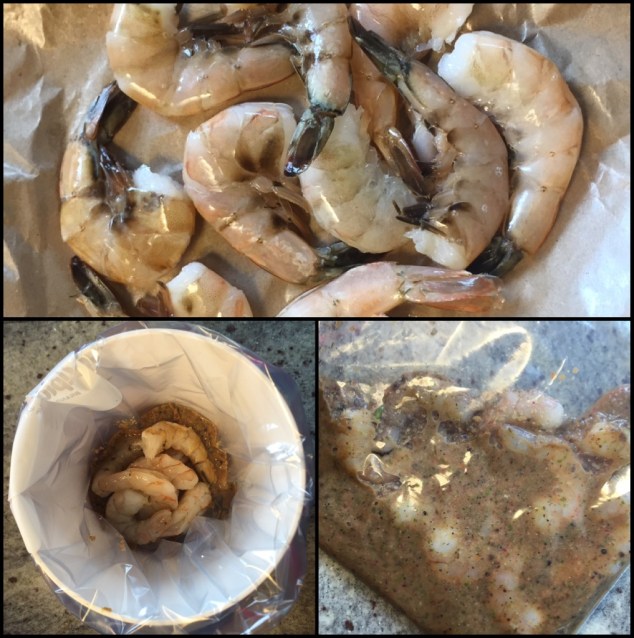
Borrowing a tidy pastry bag prep trick from work, I set raw shrimp in a wet marinade for a 12-hour swim.
IMG_7003

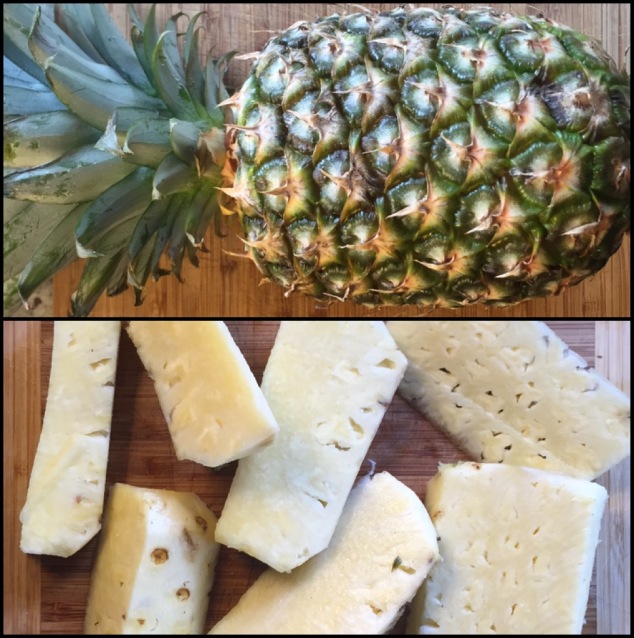
Meanwhile, I juiced a fresh pineapple and reserved some chunks for topping as well.
IMG_7004

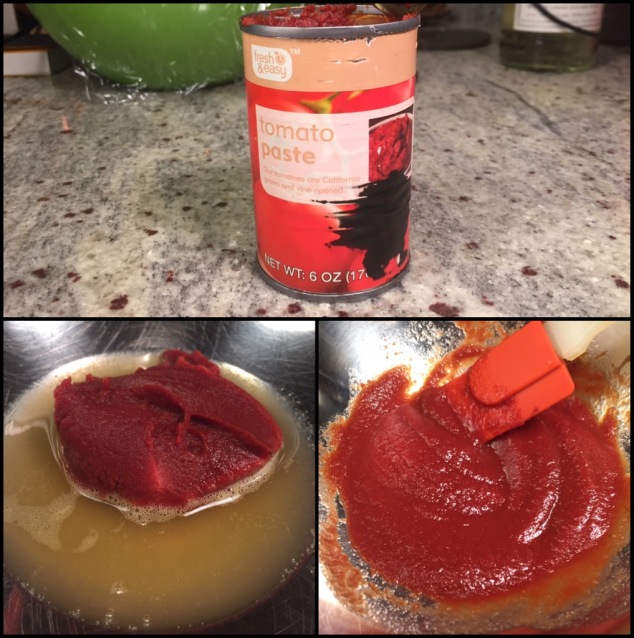
Plucking from another jerk pizza recipe, I mixed the pineapple juice into tomato paste with red wine vinegar until a sauce like consistency was achieved.
IMG_7008

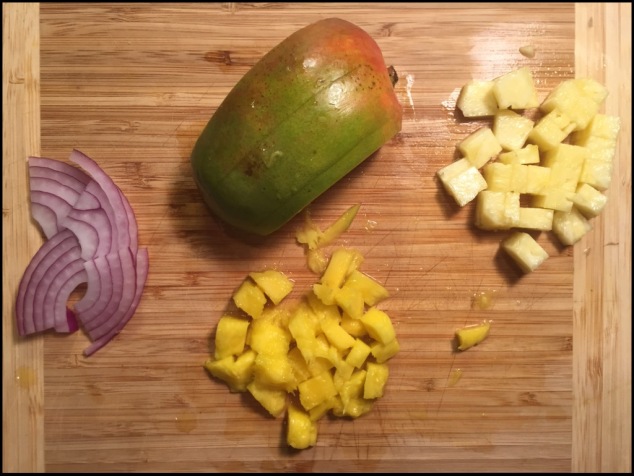
The remaining toppings were prepped for a trip to pizza town.
IMG_7005

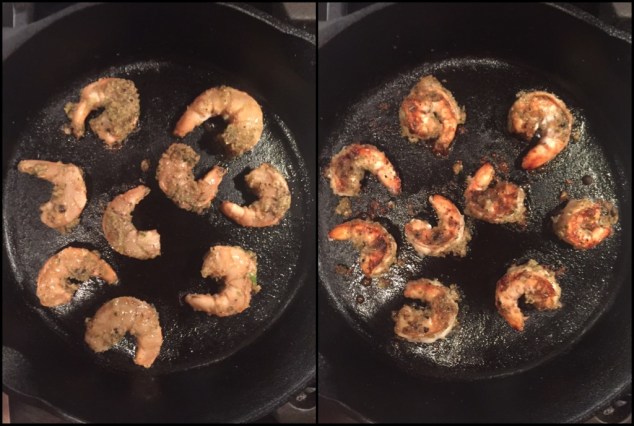
To ensure the shrimp would cooked completely through, they were given a quick tour of a hot cast-iron pan before joining the rest of the pizza toppings in the oven.
IMG_7016

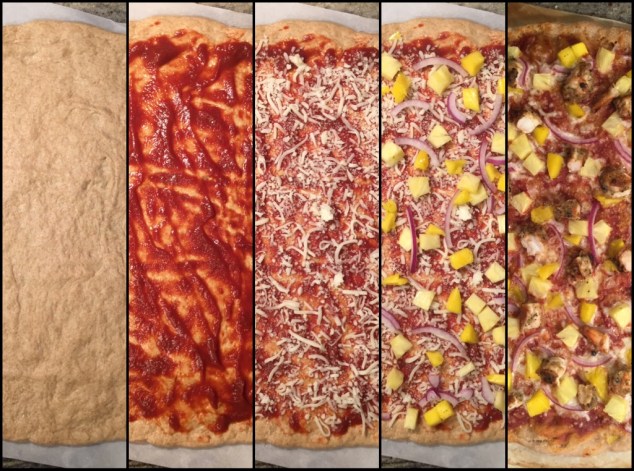
Mozzarella cheese was sprinkled on lightly for some cohesiveness and a small relief from the potentially high heat of the habaneros. Based on how badly my fingertips stung 12 hours and some 20 hand-washing sessions after I had last touched the peppers, I was ready for a battle.
IMG_7011

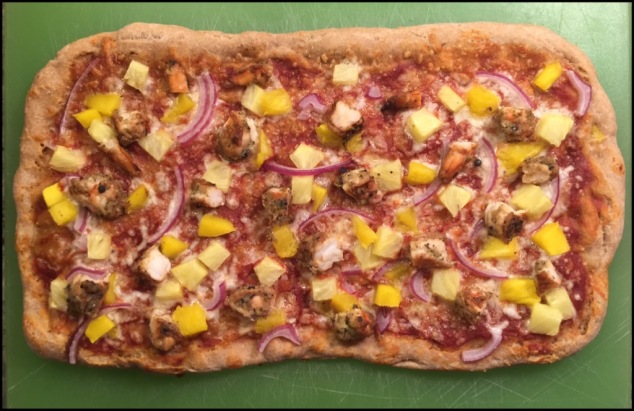
After sacrificing aesthetics of using whole shrimp in the name of overall consistency, I still went batty over the colorful vibe of this pizza.
IMG_7012

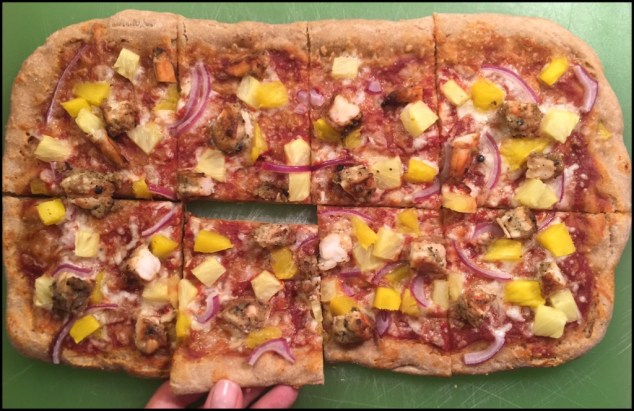
Distracting and friendly, these hues are a bit deceiving of the dangers here. Luckily, the sweetness in wine can play defense for your tongue.
IMG_7009

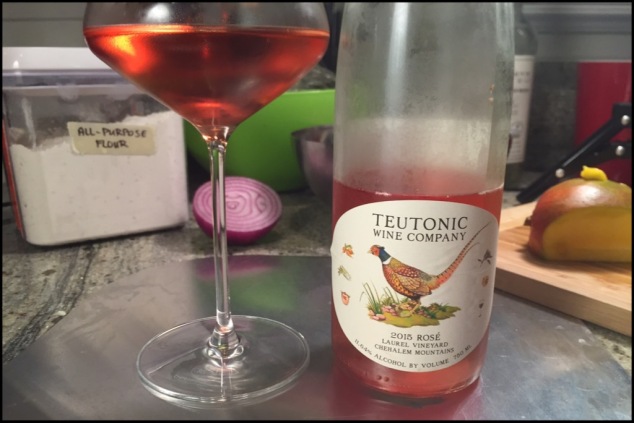
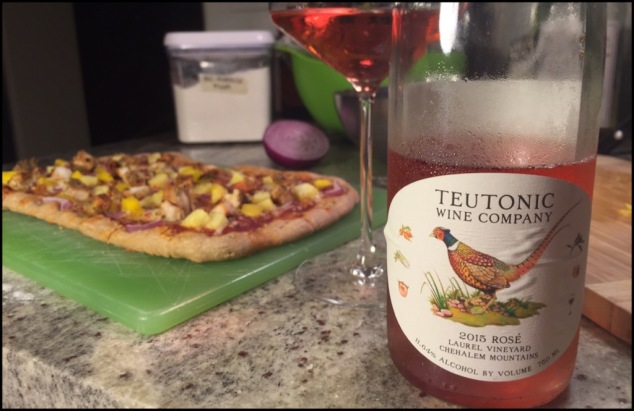
To help relieve the local wine shop, Village Vino, of the wall of tasty rosé they’ve amassed in a short amount of time, I selected a light and fruity style to accompany this pizza and all of its Caribbean flair.
IMG_7010

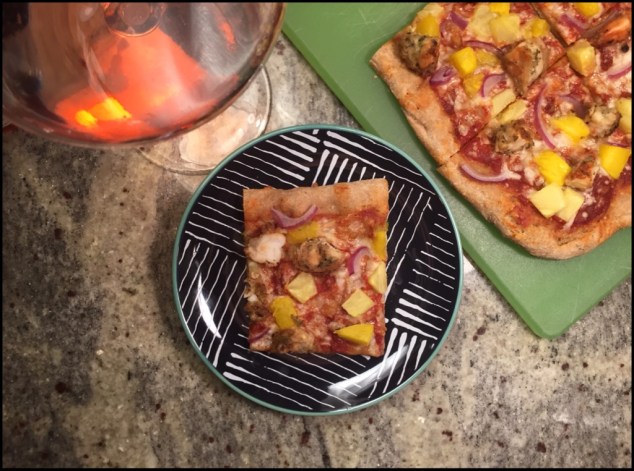
Hailing from the Chehalem Mountains of Oregon’s Willamette Valley, this Teutonic rosé bursts with fleshy melons and peach on a white pepper backdrop all while keeping a tame 11.54% abv. Such a plump, summer style is a hammer to a bad mood and does a pretty decent job wrangling in the spice on this pie. As this is a fruity but dry style, this wine is not as spice-repellant as a sweeter wine might be, but it does match the brightness of fruit in every bite. I consider the pairing passable and the pizza a win.
IMG_7015

It’s hard to say if I’m more excited about receiving my shiny new 25-week apple badge than I am about hitting the midway point to my 52-week commitment next week. I get that, like karma, these small achievements don’t mean much. But still…

pat on the back

Week 24: From Scratch – Heirloom Tomato, Pesto & Ricotta pizza with a Black Bean Flour Crust

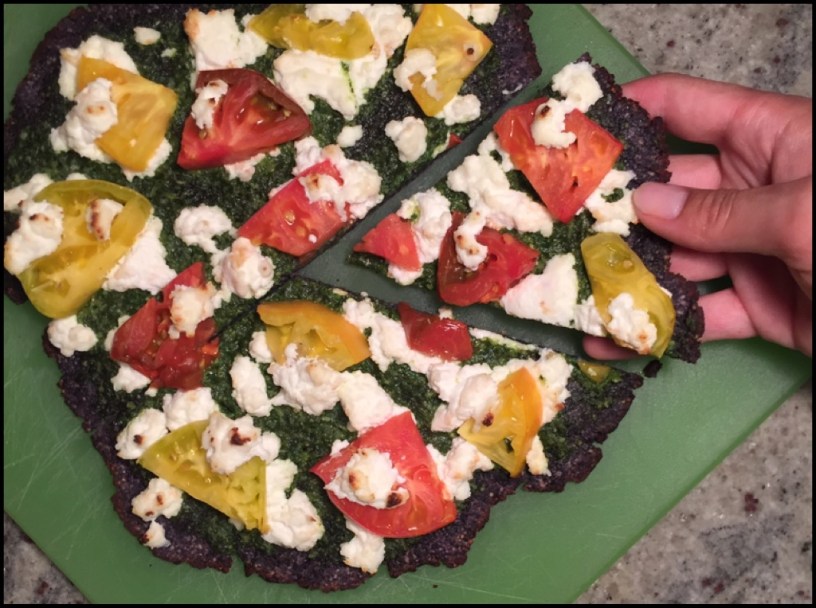
This week’s challenge required a couple leaps of faith in the kitchen. To truly begin from scratch, as was encouraged, ingredients need to be sourced as whole and unprocessed as possible (and convenient). Since I already make my pizza dough and sauce at home, I had to push myself one step further and make the cheese and flour myself as well. Not only was I looking to make my own flour, but I was going to attempt at making it out of a whole branch of legume I actively avoid: beans.

IMG_6786

While I’ve kicked a solid 90% of my childhood food fears, all-not-green beans have a way of threatening my sanity through texture alone. When it comes to green beans, be they edamame, haricot verts or english peas, all is forgiven. Why? If reason was involved, I wouldn’t be scared of beans in the first place.

IMG_6787

To combat this ridiculous fear, exposure is required. This challenge offered a way to experience a positive bean-eating experience without the horror of a chalky texture. Little did I know how frustrating a non-glutenous flour would be as a pizza base.

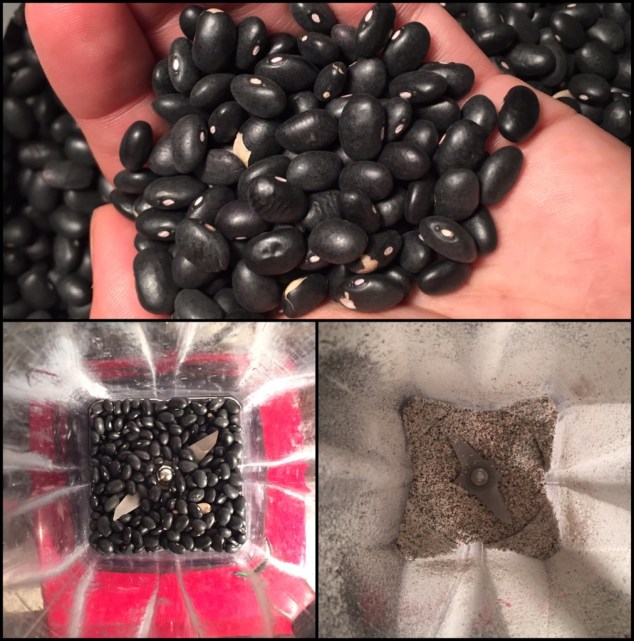
I took small batches of dry bulk black beans and blended the hell out of them in a Vitamix. The noise was simultaneously wretched. Earplugs were required to pulverize handfuls at a time for 30-40 seconds.

IMG_6789

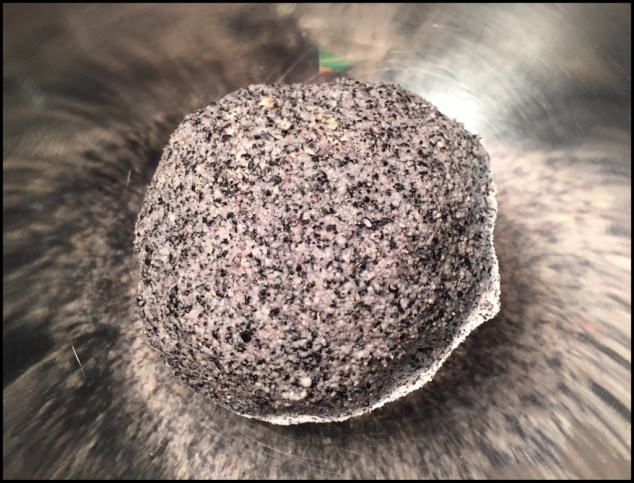
Next, I stupidly tried to raise the flour with a dose of yeast and warm water. Apparently, gluten is useful for capturing the carbon dioxide, hence allowing dough to puff up. Without that possibility, this ball of bean flour did very little else besides stare right back into the soul of my frustration and whisper how easy it would have been to choose a wheat berry base instead.

IMG_6790

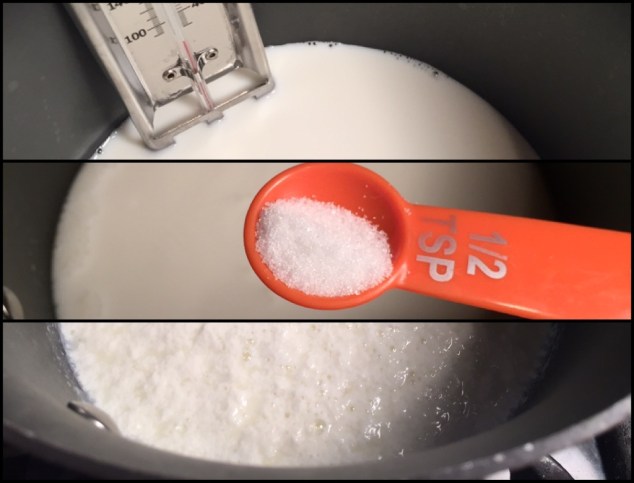
While ignoring the cursed bean flour stares, I boiled some whole milk and began a simple cheese making process that requires a little acid and patience. The acid that can be used in this situation can come in many different forms. While lemon juice and distilled vinegar were both options, citric acid

IMG_6791

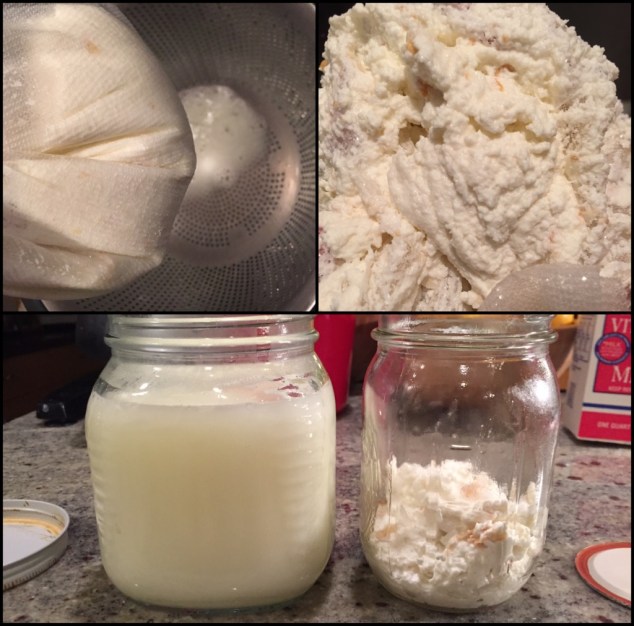
While more practice would likely reveal simple efficiencies of how to extract more curds from the whey, I was happy with what small amount of ricotta come of this quart of milk.

IMG_6792

Rolling out a portion of dough from such a sticky, floam-like substance was a chore.


IMG_6795

For the sauce, a classic pesto was made to command attention in both color and freshness.

IMG_6796

All but the assortment of heirloom tomato slices have been made “from scratch.”

IMG_6799

The flavors and textures didn’t inspire any new ideals in pizza-making. The fact that it looked like pizza, could hold itself up like pizza and could even taste like pizza was an achievement in itself. Wine would help lubricate the illusion of greatness.

IMG_6798

Premier Cru Chablis helped to cut through some of the funkier flavors presented in the mingling of the black bean crust and pesto. It doesn’t shy away from the bright and fresh juiciness of the heirloom tomatoes and provides a mineral complexity to distract the brain with delicious flavors as my body consumes a bite after bite of black beans.

Week 23: Deep Fried – Fried Eggplant, Basil & Pepperoni Pizza

Having less and less time to adequately prepare for these weekly endeavors, a quick peek in the fridge was all the inspiration needed for this week’s deep fried challenge. In the O’Bryan household, we have a tendency to pick up a plump eggplant with ambitions of transforming the shiny beast into an Ottolenghi masterpiece. More often, we find ourselves dumping a blotched and festering limp vegetable corpse into the trash. This is all to say that we have yet to find the way to embrace their presence in our fridge. And we may have found the way.

IMG_6385

Fried eggplant on pizza is no genius idea of mine. Its true origin story remains a mystery to this blogger as she hasn’t the time nor the inclination to seek out any backstory, no matter how grateful I should be for the abundance of information available at my fingertips.

My first personal encounter, one that I remember quite fondly due to timing (I had just landed a job, albeit a shitty one, that would secure the path of my now career) and the tasty, tasty combination of toppings, was one that came recommended by the Bar Basic staff: fried eggplant, pepperoni, basil and garlic atop a large red pie. I went gaga for this shit. So here goes my attempt at recreating a super built-up cherished moment of my recent past. What could go wrong?

IMG_6386

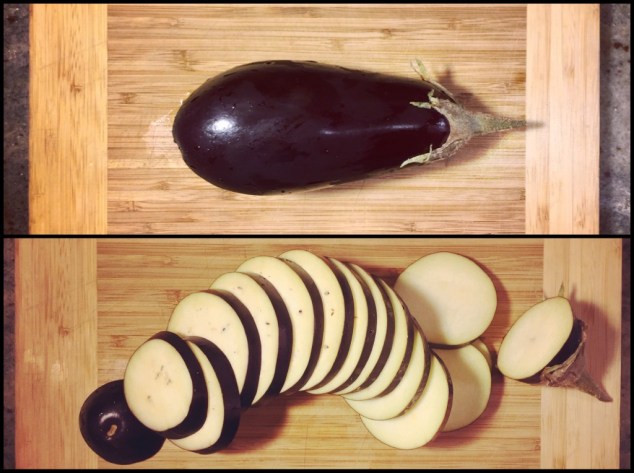
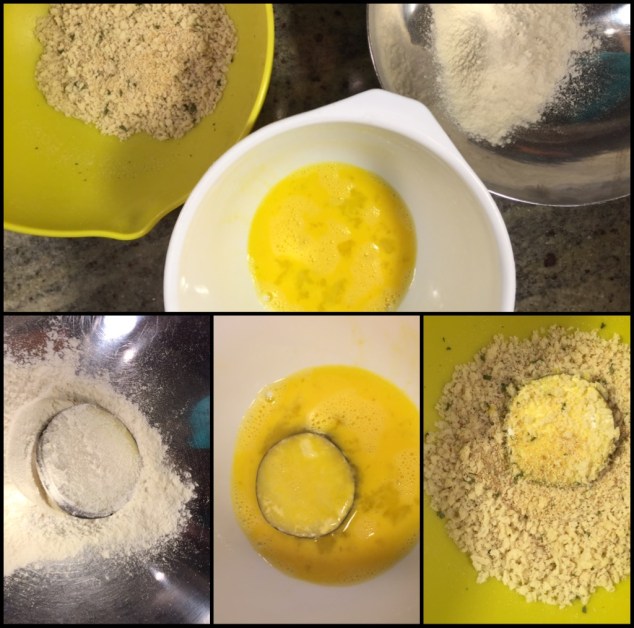
After slicing up an eggplant to a consistenly moderate thickness, the slices were breaded in a panko and Italian crumb mix, the blend of the two resulting from a petty bout of indecision.

IMG_6387

Using a combination of high-heat oils, as I hadn’t the foresight to buy enough of any one kind, the breaded eggplant slices took turns crisping up in the pot.

IMG_6388

A rather sizable batch was produced, enough to feed three large pizzas as each pizza could barely take on more than 7 or 8. Any leftovers stayed rather well. If they never make it onto crust, they were reheated in the oven with tomato sauce and cheese on top for a quickie eggplant parmesana.

IMG_6389

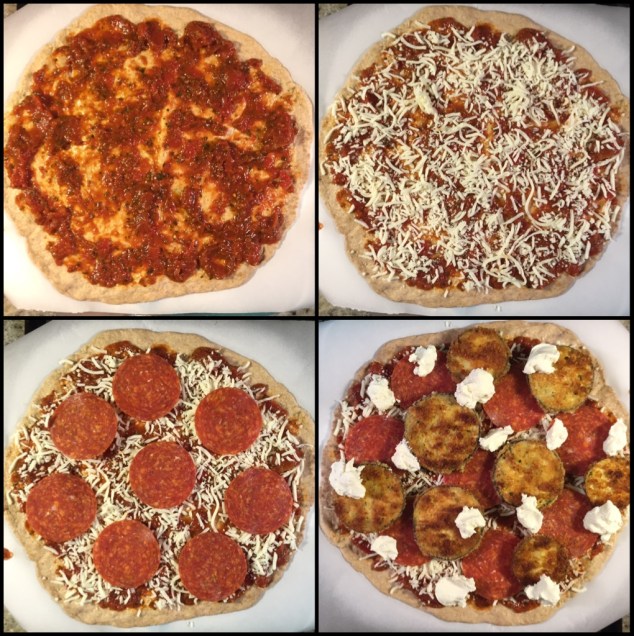
While the original inclusion of garlic was mostly ignored (aside from the generous heap of garlic found in the tomato sauce), a few dollops of ricotta here and there made up for its absence with creamy, textured bites.

IMG_6390

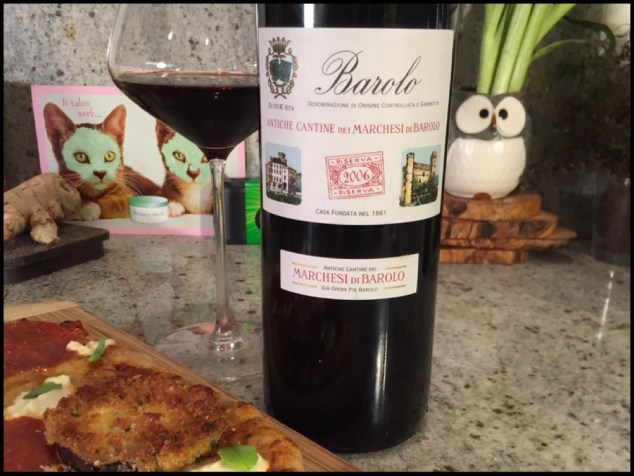
After some fussing around with pairings, Barolo stepped up as the winner of the bunch. This 2006 Marchesi di Barolo from Piedmonte, Italy had just the right structure of tannin and acidity to tackle the richness here, but then the deeply-resonant tart fruits provided a great backdrop for all the savory notes to play off of.

IMG_6391

I loved this pairing. I loved this wine and the pizza and the whole experience of making it and eating it. This was so fantastic I wanted to die. Instead, I snapped some photos and obsessed over new angles and lighting. The work didn’t really pay off but the pizza itself was worth all the effort.


IMG_6394

It was so good, I actually made two.

IMG_6393

As for things that could go wrong? Nothing did. This was one of the best pizzas I’ve ever made. It will be one I continue to make for as long as I have eggplant in my refrigerator, which turns out to be more often than needed. It’s time to embrace their ever-presence.

eggplant love

Week 21: Cheap Meals – $0.77 Cheesy Homemade Tortilla Pizza

For this cheap eats challenge, I expanded on a cheap and easy meal I make on the regular: stove-top tortilla pizza. To push my cooking limitations, I chose to create my own whole wheat tortillas from scratch. Meanwhile, the sauce used was my favorite go-to for mixed media.

IMG_6103

Canned San Marzanos are somewhat expensive comparatively, at $4.69 per 28 oz. can, but they are worth the brightness of flavor. It’s possible to cut costs here.

IMG_6104

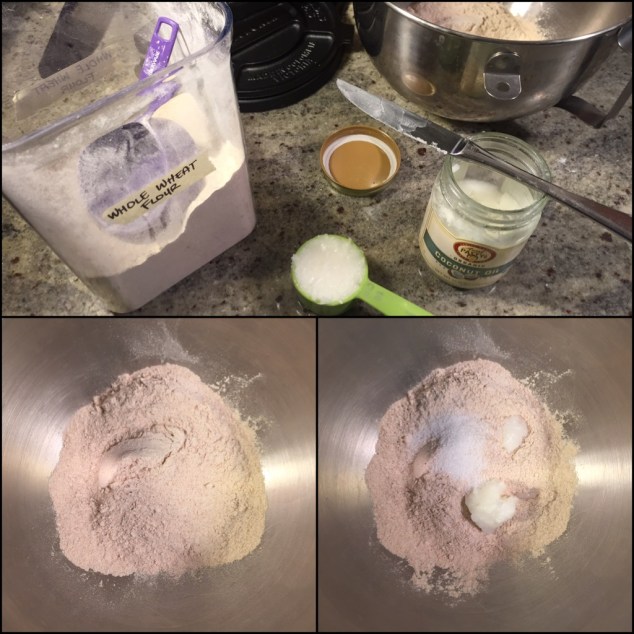
Tortillas require an simple mix of flour, lard and a touch of salt. Coconut oil works as an easy lard substitution. Water is added to the mixer to pull the dough together.

IMG_6105

Two kitchen tools are helpful in tortilla making: a tortilla press and a mixer. Either can be replaced with a bit of extra manual labor but it comes heavily recommended by many sources that these machines are preferred for quality and consistency.

IMG_6106

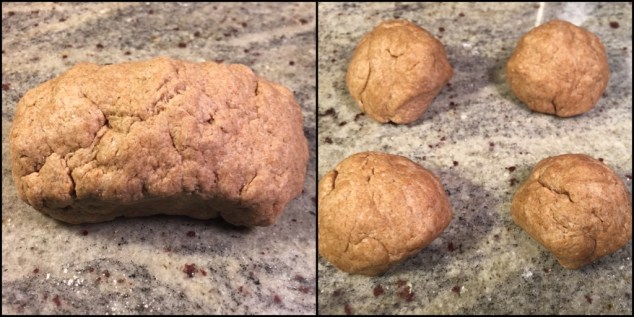
As the dough is being divided and pressed, it is best to store the unused pieces under a damp paper towel to keep from drying out.

IMG_6107

While the tortillas can be rolled out with a pin, a press is capable of achieving an extremely thin crust for cooking. A metal crepe plan is best to not only crisp up the uncooked tortillas, but also to fulfill their destiny as a quickie pizza.

IMG_6108

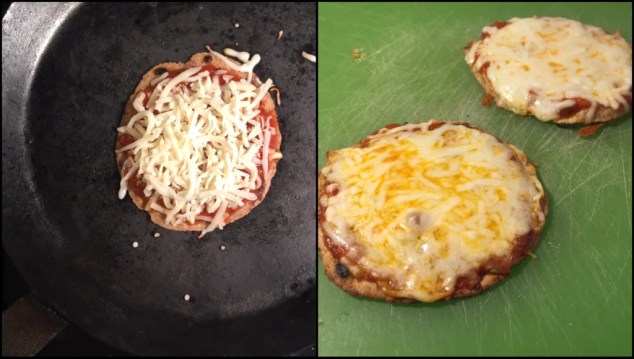
After cooking one side for one or two minutes without oil, the freshly flipped side was topped immediately with sauce and cheese until the bottom was crisped up. The cheese was melted in a pre-heated toaster oven and chopped up for immediate enjoyment.

IMG_6111

Breaking down the cost of all the ingredients, including spice, oils and vinegar used in small quantities, the general cost of a basic tortilla pizza is $0.77. For the hand-held sets, I calculated about half the price for a super budget pizza fix.

IMG_6110

Wine is its own category of budget as its quite a two-fold luxury item. Not only is alcohol arguably superfluous in the age of untainted water supplies, but (good) wine in particular requires some costly attention and resources, all of which can drive prices into ridiculous realms when you consider we’re talking about the exact same amount of liquid per bottle.

IMG_6109

Sicilian wines draw my attention more and more with offerings of cheap and indigenous varietals that can thrill the palate with fruit and complexity. Nero d’Avola is not a favorite style, as notes of rubber can overwhelm the flavor profile, but it is admittedly cheap overall. For $16 a bottle, an Italian red is worth stocking for any unforeseen pizza party.

Week 19: Mother Sauces – Cheddar Stuffed-Crust Pretzel Pizza

I got a little ambitious for this week’s Mother Sauces challenge (which I’m just now putting together is themed so for Mother’s Day). Making, documenting and incorporating the tomato sauce I regularly make, a batch of which I completed last night for restocking purposes, would be a pretty big yawnfest. Instead, I chose to take the béchamel route and build a pizza around the cheddar sauce so introduced by the designated wikipedia page. What followed was a plot to not only create a pretzel crust to enhance the tasty mustard and cheddar elements, but also to stuff said crust with cheddar. It went pretty alright.

JPEG image-8443CA906CBF-1

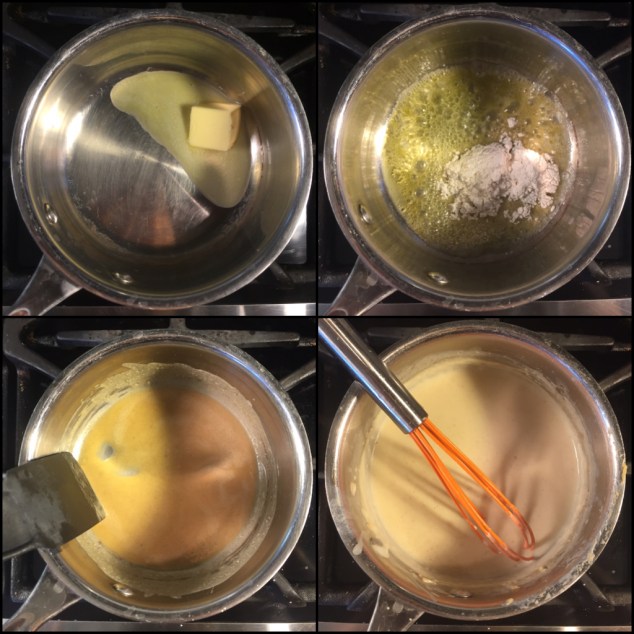
I began with the sauce, first whipping up a basic béchamel sauce to work from.

JPEG image-94B5951F641D-1

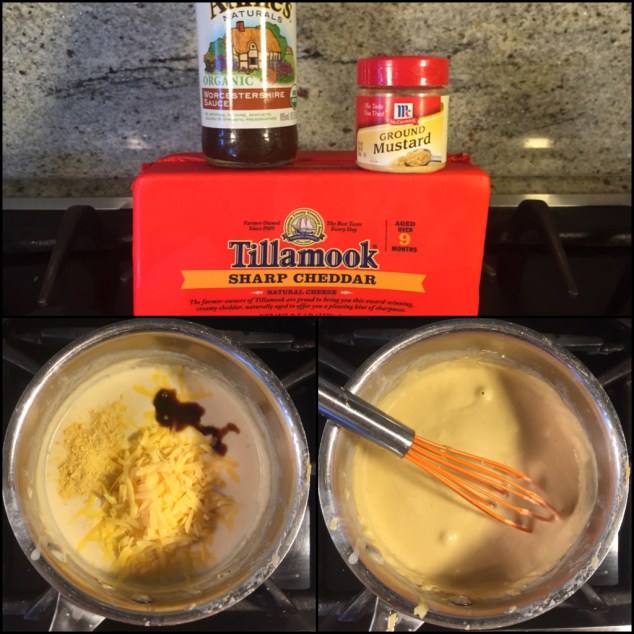
Then dry mustard, cheddar and worcestershire sauce was adding according to whimsy.

JPEG image-EA56114EAA56-1

The dough was rolled out and thin slabs of cheddar were wrapped into the crust. Transferring the dough into a pre-heated cast-iron pan without incident proved to be difficult but manageable with the help of a large, flat spatula.

JPEG image-AED364E11392-1

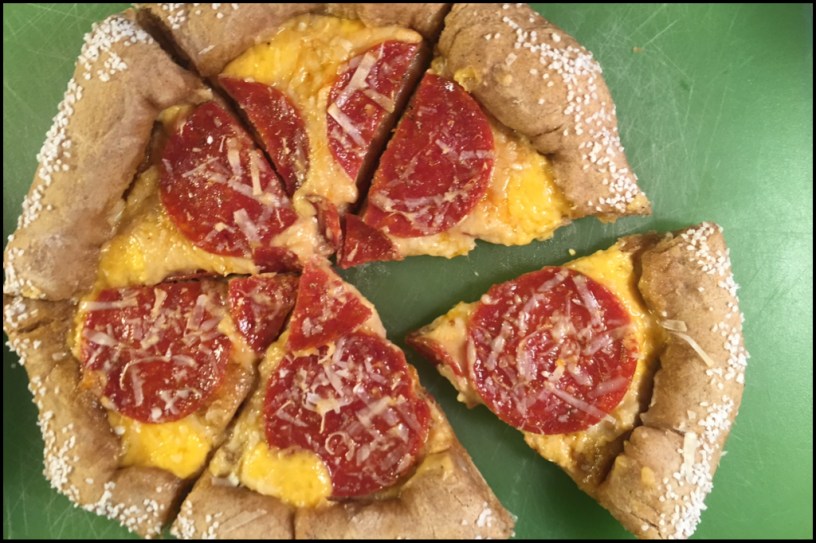
The cheddar sauce was applied liberally as the base with mozzarella and pepperoni to follow on top.

JPEG image-24677F0E4A63-1

A baking soda-boiling water concoction was dabbed onto the crust to earn that familiar pretzel browning from some oven time. Pretzel salt was specifically sourced for this project and the remaining half gallon requires a commitment to future pretzel projects, which I’m okay with.

JPEG image-CACDAA4DD235-1

All this cheesy business requires a wine that can withstand a salty punch to the face. When a dish veers to an extreme savory note, a push towards fruity expression in wine can offer some balance to the palate.

JPEG image-96EC5DEF0C70-1

Torres Alegre – 2005 “Cru Garage” Zinfandel (Valle de Guadalupe, Mexico) is a sun-pampered, incredibly fruit-driven style expressing dried dark berries and overripe plums with hedonistic intensity. Alone, this wine can sit heavy, especially with a lackluster acidity that would normally be a deal-breaker for me personally. Alongside a plate of salty flavors, all is forgiven as the fruit brightens and sings. The same concept can be applied with most any fruit-forward wine and should be.

Week 18: Brown Bag Lunch – Homemade Lunchables Pizza

This week’s Brown Bag Lunch challenge dangled the opportunity to poke at my nostalgia buttons and I took a swing at my very own set of homemade Lunchables pizza. Overall, this was a very smart decision.

JPEG image-D70DB9C12195-1

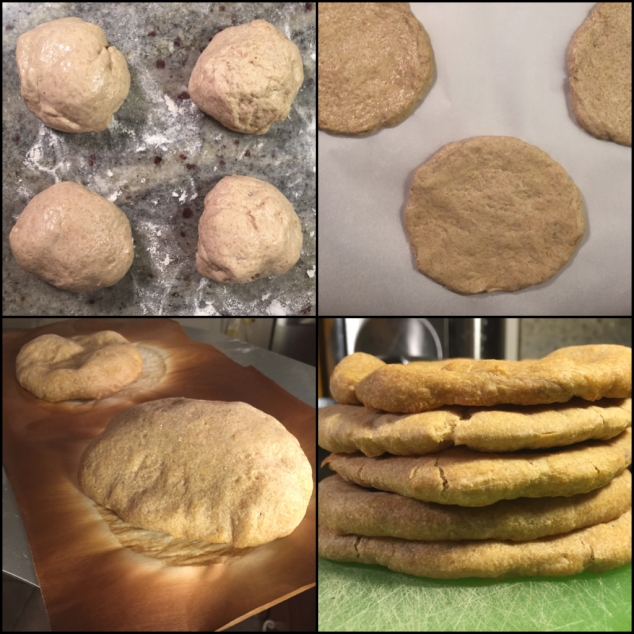
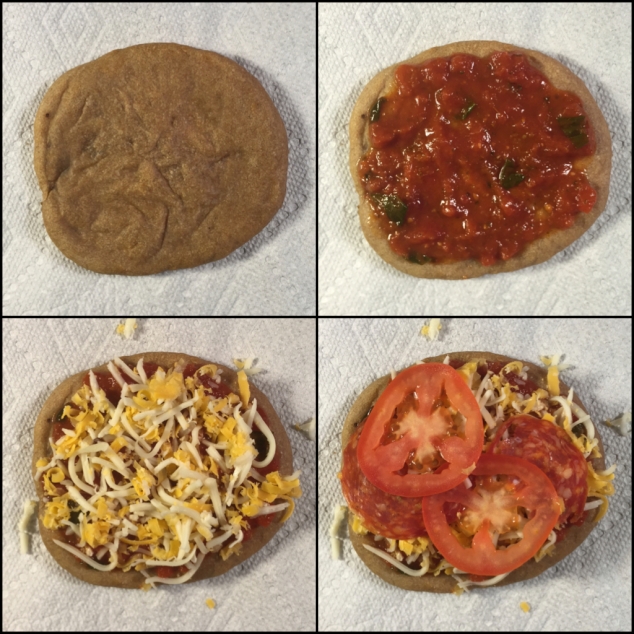
To begin, mini crust discs are made to fit the lunching tupperware I use on the daily for packing snacks for work. Puffing up in oven may be an issue, which can be remedied by a few stabs from a fork beforehand or a bit of pressure from above afterwards.

JPEG image-667A5B9143FA-1

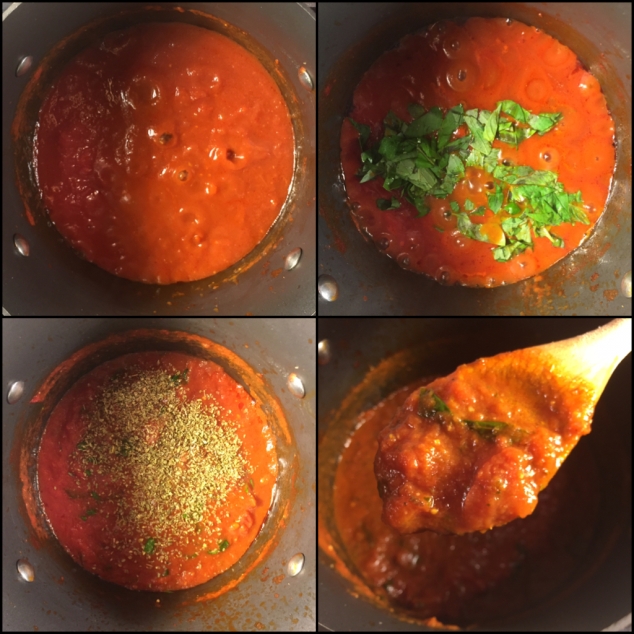
Next the tomato sauce is made by gently cooking garlic in olive oil and then dousing crushed San Marzano tomatoes into the pot for a quick simmer. Fresh basil and dried oregano make up the whole of the spices used.

JPEG image-7C5203FE6EBF-1

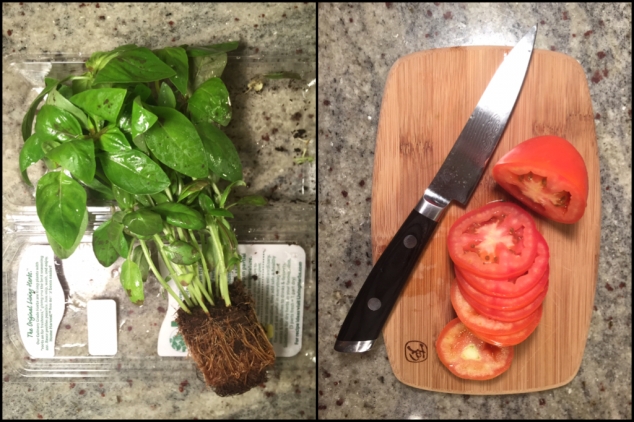
Raw ingredients may vary based on personal preference but fresh tomatoes and pepperoni are great toppings of choice.

JPEG image-2B3F662A6476-1

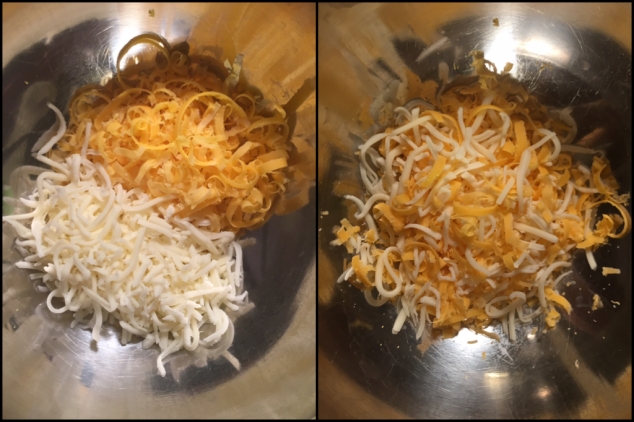
A quick mix of cheddar and mozzarella made for a wonderfully complex assortment of cheese aromatics. For further instruction on preparing a two cheese blend, this brief video guide can provide the necessary guidance for mastery.

JPEG image-207162CEF148-1

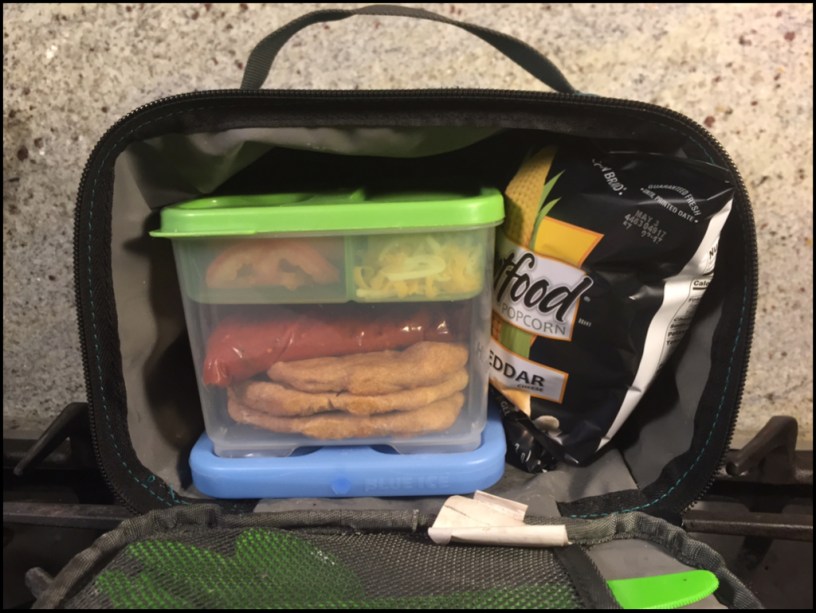
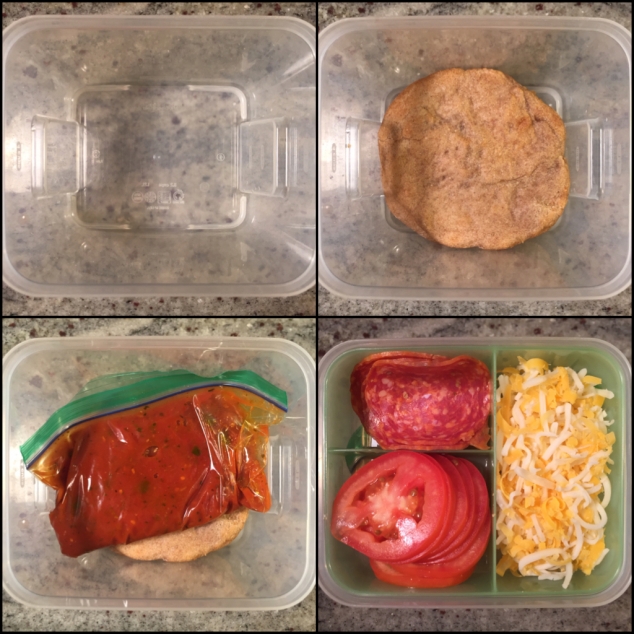
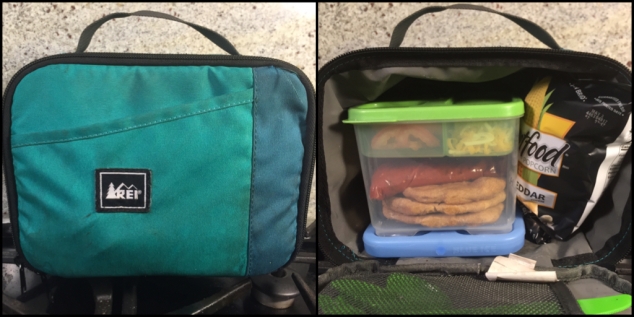
Staging is key in creating a bag meal experience. For the majority of my packed food needs, I turn to a set of Rubbermaid kits I found at Costco once long ago. They just happen to fit the REI lunchbag I bought just as long ago.

JPEG image-571E10EDD635-1

Being the responsible worldly thinker that I am, I chose to feature my handy-dandy reusable lunchbox as my “brown bag” for this project. Stocked with plastic utensils and an icepack, all this lunch needs is a nice view and a cool breeze.

JPEG image-9AA5B761F2AF-1

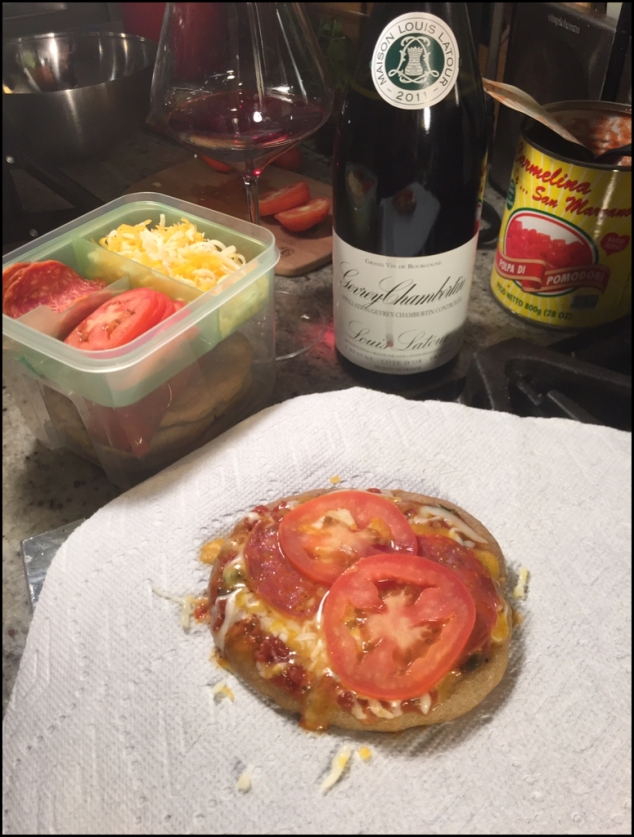
The build is simple. A microwave or toaster oven can zap this mini pizza into a blissful dance through a flavor meadow, but the extra effort can be easily overlooked when hungry.

JPEG image-79DD3F42BF33-1

If wine is an option, rosé or lambrusco can make a daytime meal sing. If a lunch is forgotten until the later hours, a Louis Latour red burgundy can transform a Lunchables adventure into an epic midnight snack.

Week 16: Root to Stem – Shaved Asparagus & Ricotta Pizza with Stem-Infused Whole Wheat Crust

This week is a challenge that speaks directly to the most wasteful aspects of my cooking. While I do my best to make stocks out of bones and stems to feed my soup-making habits, my creativity stops there. The asparagus used to top this week’s pizza will find their cheesy ricotta home built above a crust interlaced with nutrients leached from their usually-discarded stems.

IMG_4741.JPG

The process was as simple as using a stock created from the stems to substitute for the water used in the crust.

IMG_4744

From here, regular pizza-making resumed. The yeast frolicked in the warm asparagus water that made up their new home and went about business as usual.

IMG_4743

With extra nutrients fortifying the dough, I decided to make a whole wheat flour to create as healthy a pizza package as I could stand without stripping away the essentials.

IMG_4746

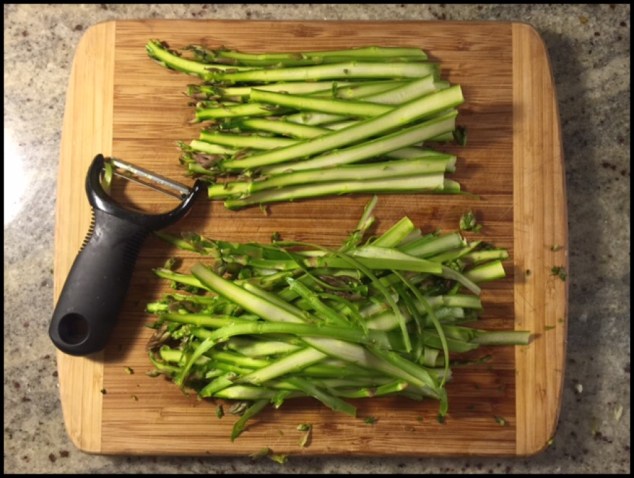
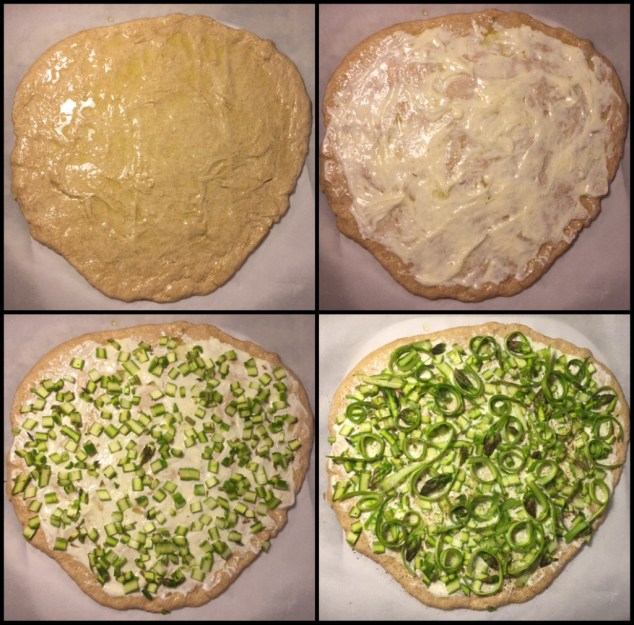
Shaving the asparagus was both equal parts time-consuming and oddly-satisfying. There are core portions that could not be shaved down due to mechanics, thus they were chopped up for additional texture.

IMG_4748

The cheese was a simple mixture of ricotta, lemon olive oil, lemon zest and lemon juice.

IMG_4747

The lemon olive oil can really help make any citrus flavors pop. I used it as the base sauce for the rest of the flavors to play off of.

IMG_4750

At 550F, pizza doesn’t take much longer than 8-10 minutes in the oven.

IMG_4751

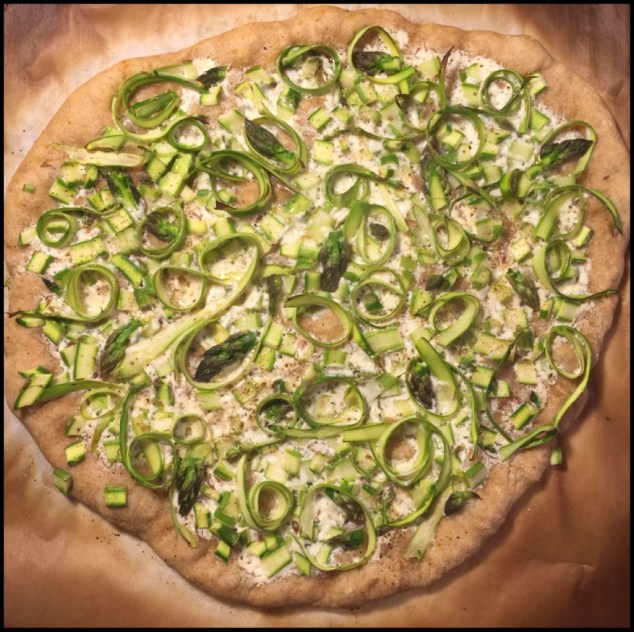
The crust was perfectly chewy with a light crisp to the bottom. To keep the texture more appealing, the shavings of asparagus were each swirled into a gusty little toppings, which were admittedly rather time-consuming to stage as well.

IMG_4752

The effect was worth the effort.

IMG_4755

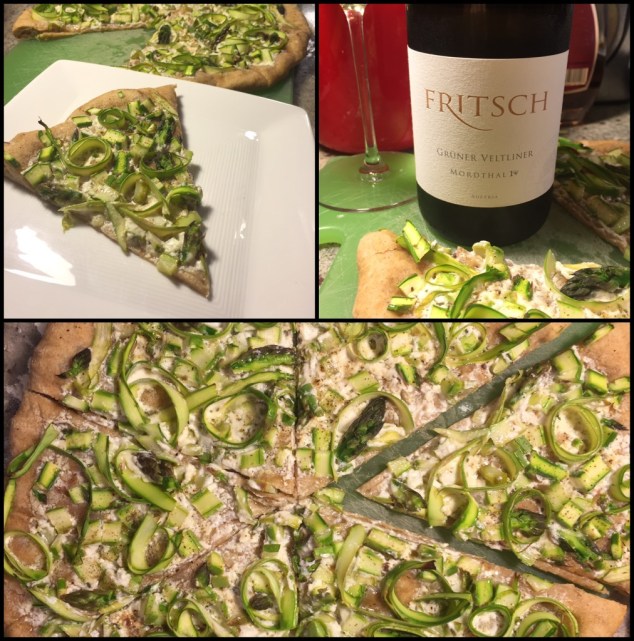
With a dab of coarsely-ground black pepper on top and wine nearby, these puppies were ready for quick consumption.

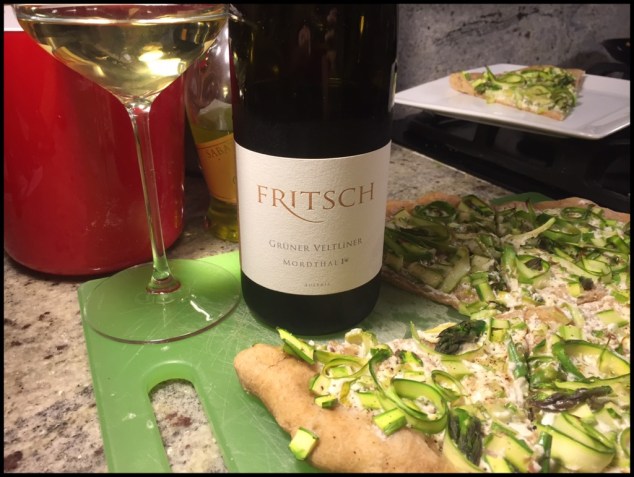
IMG_4754

The wine was a Gruner Veltiner, chosen for the qualities it would mirror in the pizza, such as the waxy vegetal notes, peppery aromas and the overall clean style. Neither of the two survived the night.

Week 15: Brazilian – Cast Iron Chicken, Requeijão & Heart of Palm pizza

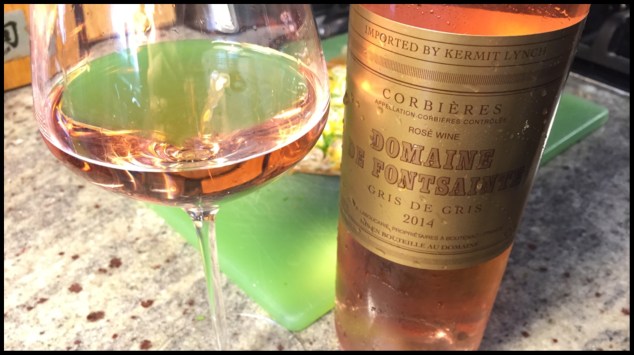
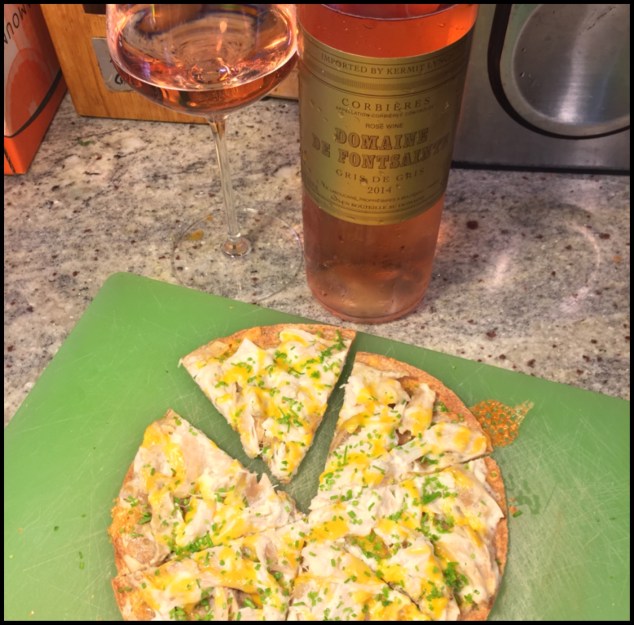
To knock out a killer Brazilian-themed dish the week of my wedding, I decided to make a quickie cast-iron pizza using ingredients sourced from a gem of a shop selling all things Brazilian cuisine. Using shredded roasted chicken, requeijão and heart of palm, I constructed a delicious tortilla pizza, which was then paired with Provençal rosé that was to be served at my wedding two days later. The picture parade to follow will have just a brief overview the details of each step involved.

IMG_1786 (1)

Requeijāo cheese is a gooey, mild cheese adored in Brazil with many uses. Heart of Palm seem to have a fanciness to them I don’t yet quite understand. Working with both is a treat since I really don’t know what I’m doing even a little bit.

IMG_1788 (1)

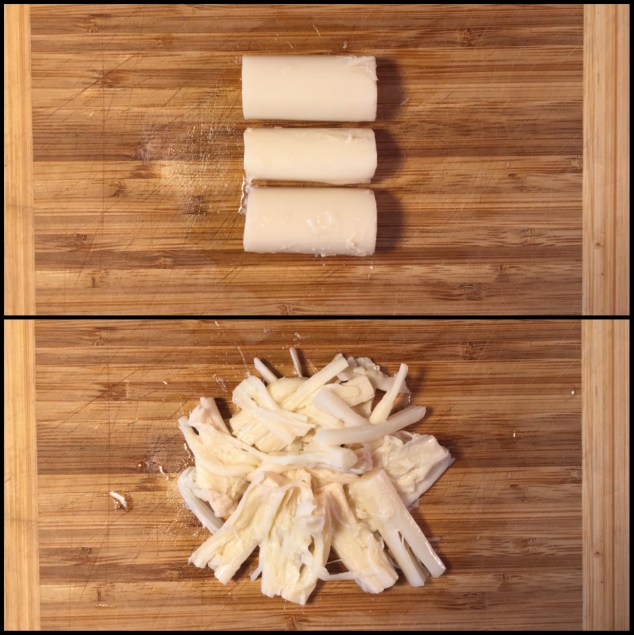
The heart of palm seems to break apart in a rather satisfying way. The goal here is to blend it alongside the pulled chicken for a streamless sense of texture.

IMG_1791 (1)

With chicken and heart of palm combined, a little cheese is added and the whole is mixed for consistency.

IMG_1787 (1)

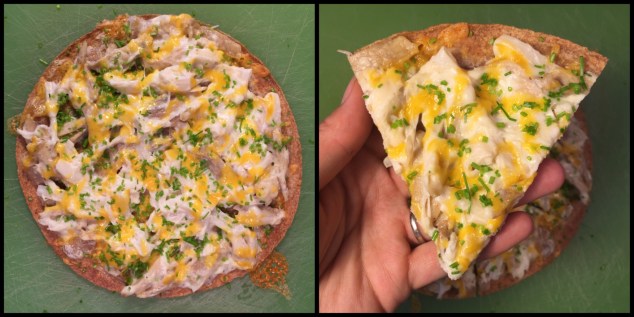
The tortilla is placed over a well-warmed skillet and topped immediately: first with a coating of requeijāo cheese, then the bulk of the payload, then a sprinkle of cheddar.

IMG_1792 (1)

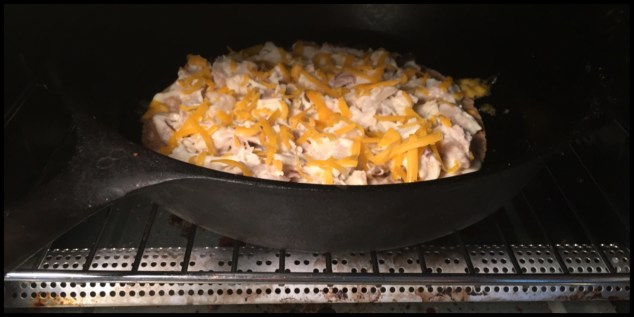
Once dressed, the skillet is taken off the heat and placed in a pre-warmed toaster oven of 400 degrees F.

IMG_1793 (1)

For funsies (and tasty green notes), fresh chives are chopped for the final plating.

IMG_1795 (1)

Meanwhile, rosé is popped to accompany such a quick, light meal.

IMG_1794 (1)

Mmmm.

IMG_1797 (1)

There’s no other way to be.

Week 13: Breads – Pepperoni Monkey Bread

For this week’s challenge, I revived a past memory of making pepperoni monkey bread as inspired by a cover recipe of Cook’s Country not long ago. Without the actual recipe in hand, and without all the necessary kitchen gear, I put together the best monkey bread my semi-stocked refrigerator would allow.

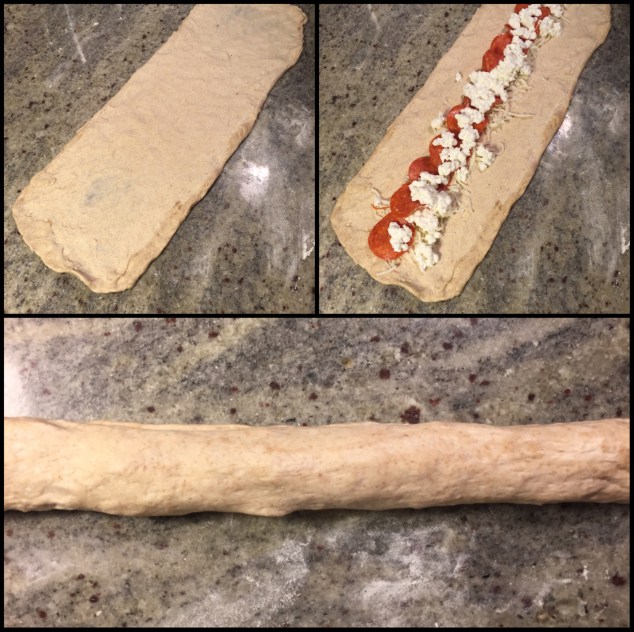
To begin, I rolled out a long sheet of leftover dough from a previous pizza thrill. The contents were then wrapped up into a tight roll for chopping.

IMG_1757

Inside were layers of mozzarella, cottage cheese and pepperoni.

IMG_1755

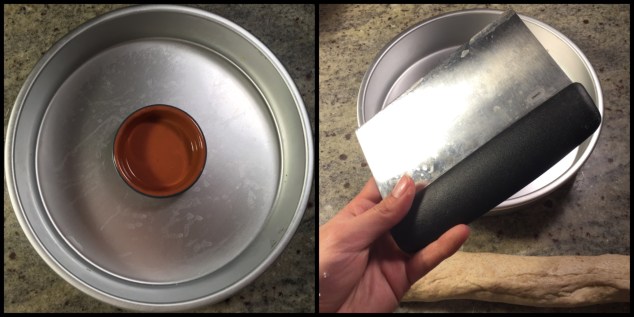
While chopping up the roll into bite-size morsels with a dough scraper is a handy use of a specific kitchen tool, not having a bundt pan is a somewhat difficult piece to find an equivalent for. For this semi-blind experiment, a cake pan with a centered ramekin will have to be sufficient.

IMG_1759

The chopped pieces were placed in a calculated, galactic pattern around the ramekin (which would later serve a dual purpose) and pressed into a compact form for baking.

IMG_1760

The results may have been messy with pepperoni and cheesy bits poking out, but the final product envelopes much of the clutter while still inviting a piece to be pulled off and dipped into the marinara that fills the center. To make savvy use of time, the marinara is best placed in the ramekin a couple minutes before the bread is finished setting.

IMG_1761

The marinara used here is my go-to recipe of San Marzano canned tomatoes cooked down briefly with a pinch of torn fresh basil, salt, sugar & red wine vinegar. When dipped, a piece of monkey bread transforms into a condensed pizza bite. It was really, really difficult not to eat this entire thing is one sitting. So that’s quite exactly what I did…but not without wine.


IMG_1762

COS is a killer producer from Sicily that I especially enjoy for the concentration of red cherry in its red wines balanced with the more savory, licorice elements the wines often display. While this 2011 Cerasuolo di Vittoria Classico displayed a bit more age than I had hoped, the pairing is still sound with the boldness of juicy fruit and brightness of acidity that Italian wines are known for that will help to balance the classic pizza flavors in this dish.

IMG_1764

So I very thoroughly slaughtered both food and wine and have zero regrets.

Week 11: Malaysian – Chicken Curry Roti Canai pizza

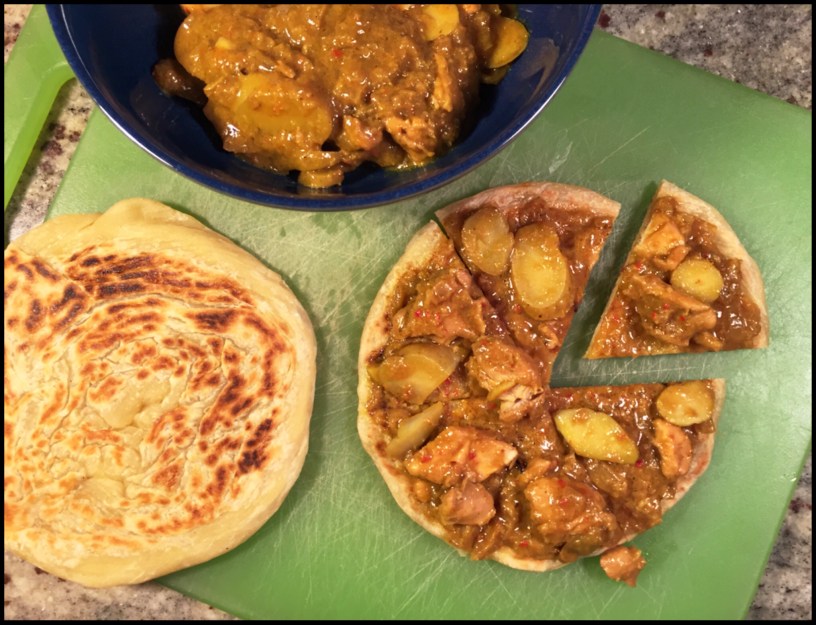
To slam dunk this week’s challenge, I took on two Malaysian standards that are often served together and used kitchen wizardry to morph the duo into a pizza. Roti canai, a ghee-heavy flatbread designed to trap pockets of air between thin layers of dough, is an ideal base for a pizza. Its usual partner, chicken curry, makes for a topping worth exploration. To begin, I slathered myself with ghee and dove into making roti canai from this very detailed recipe.

Roti Canai

IMG_1282

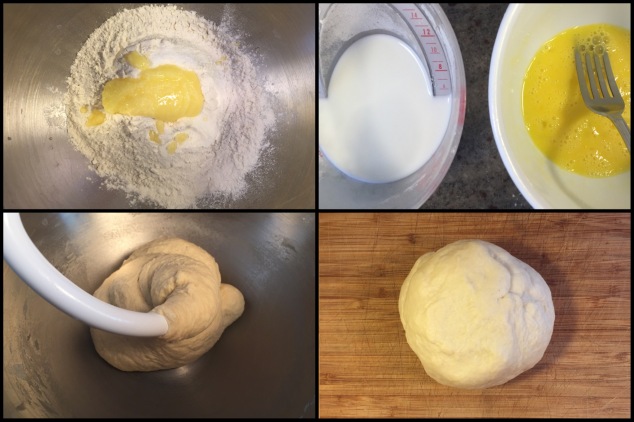
The formation of the dough is rather straightforward, requiring much kneading to acquire an incredibly smooth texture and a minimum 6 hours of resting time before the shaping begins.

IMG_1283

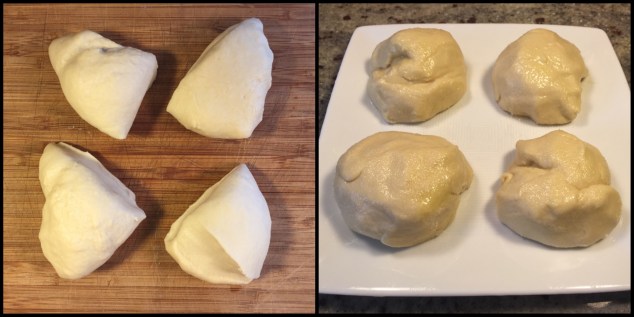
Each batch produces many sets of roti canai, which are divided evenly before the dough is allowed to settle.

IMG_1285

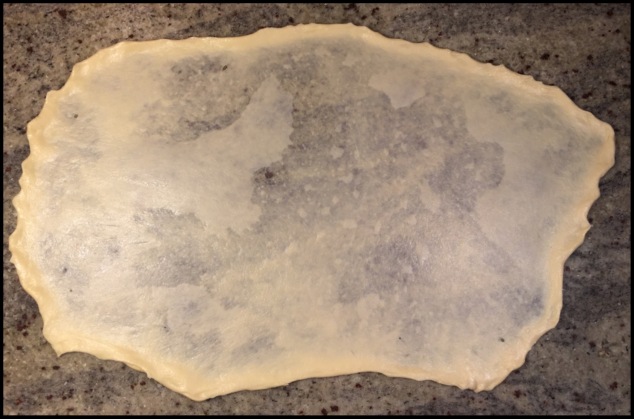
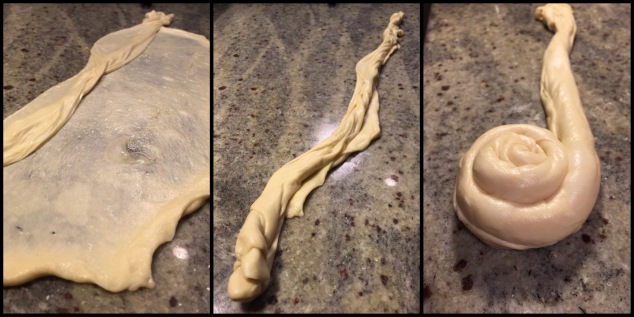
Each of these puppies has the ability to stretch out mega thin. Malaysian vendors keep some pretty dope moves to slap the dough into shape. Incapable of such performance, I managed to coax out a set of comparably paper-thin dough sheets with some delicate moves.

IMG_1284

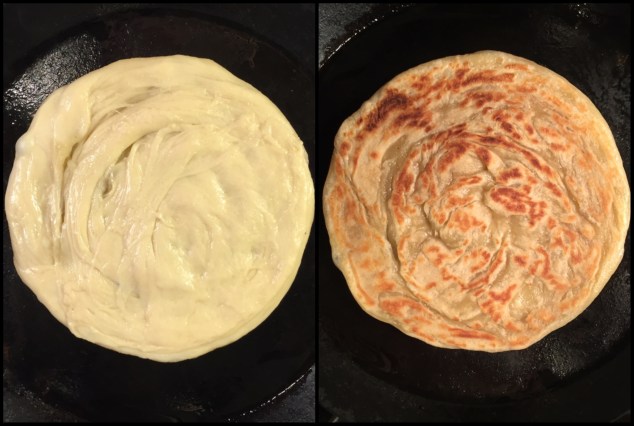
Once stretched out, the paper dough is folded over itself to create air pockets and then swirled into a disc. This little creation sees a brief resting period while a pan gets hot on the stovetop.

IMG_1286

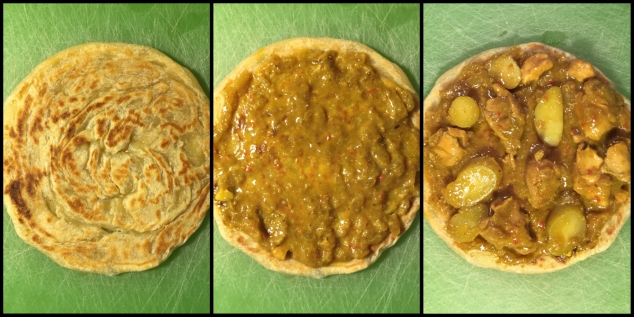
These wound-up formations offer some resistance to stretching despite their original malleability. Stretching the dough by hand offers a small amount of give but the final shaping is best accomplished immediately after the dough is placed in the pan. With a ghee-greased spatula, the roti canai is untraditionally smashed and flattened into the sturdy, circular shape that is required of a pizza crust.

After building the roti canai, I turned to a BBC curry recipe for the majority of my cooking guidance.

Chicken Curry

IMG_1270 3

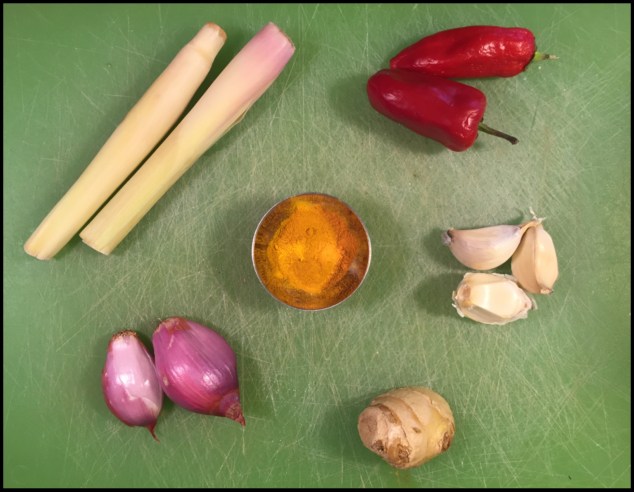
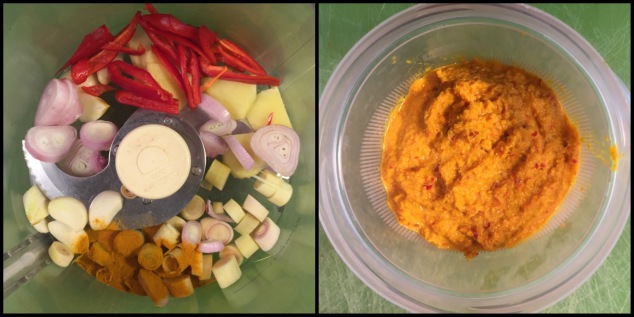
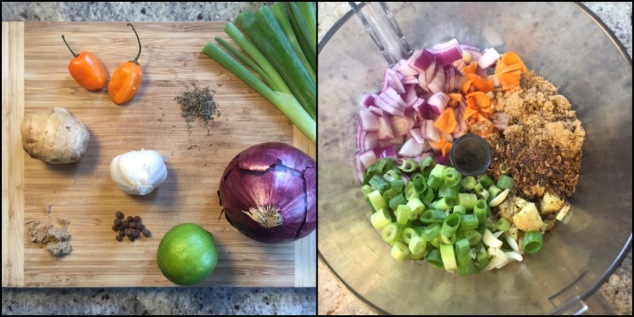
The process begins with making a curry paste made up of a good majority of the stronger aromatics that will be experienced such as turmeric, ginger, lemongrass and red peppers.

IMG_1271 3

For those enamored with tradition, a mortar and pestle can do the work of a food processor with the addition of a few extra minutes and intensive upper body labor. I opted for the wine-sipping version of this pummeling session.

JPEG image-E1F33FD28D1C-1

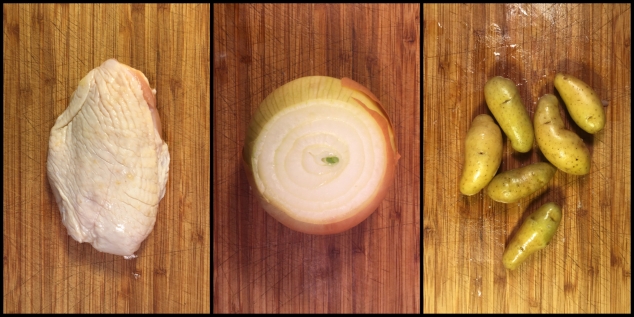
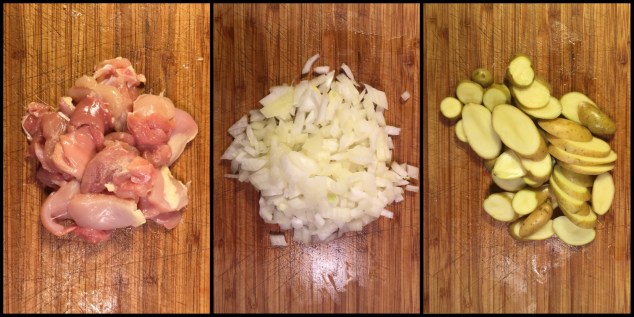
The bulk of the curry consists of chicken thigh, onion & potatoes.

JPEG image-AC27B6E693C2-1

These additions will be the main pizza toppings and act as a curry delivery system as they will be slathered in it.

JPEG image-7DA85239A472-1

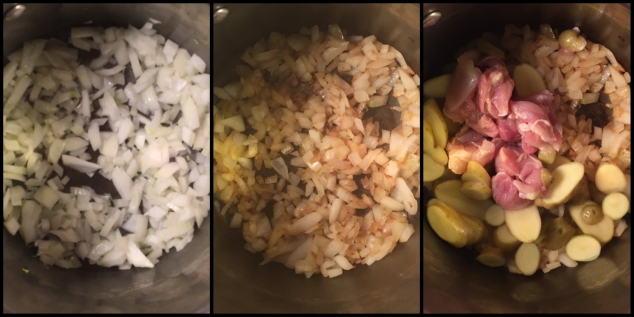
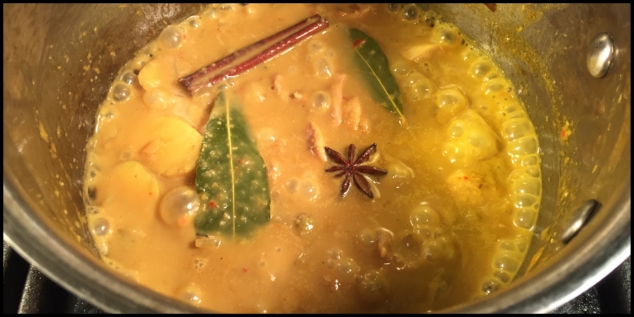
The onions are allowed to soften and become fleshy before adding in the chicken, potatoes and the remaining pieces of the curry, which include coconut milk, chicken stock, soy sauce and final spicing agents. Cinnamon sticks and star anise offer surprisingly subtle but necessary aromatics. To make up for a lack of kaffir lime leaves, bay leaves and lime zest were used after finding this helpful substitution guide in a sea of unhelpful websites insistent that there is no worthwhile alternative to the real thing.

JPEG image-21F409748C94-1

To keep the curry sauce tight, I reduced this batch down a good amount so that the pizza would not be dripping over the sides when applied.

JPEG image-8EC317DEF084-1

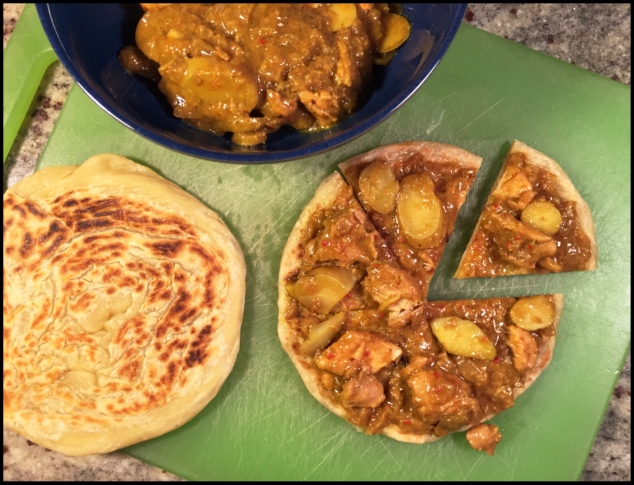
The pizza formation was pretty straightforward once the cooking was completed. With every element made fresh, no time in the oven was needed and the dish was served hot.

IMG_1298

The experience of eating this pizza was more satisfying than anticipated, especially in terms of texture and integration of flavors. The dough was so thrillingly soft and chewy while the chicken and potatoes were tender but able to add character. The heat didn’t jump out but rather mingled with the rest of the components, and the sauce was boldly savory without any one aromatic dominating. I devoured two sets of pizza in one sitting, but not without wine.

IMG_1300

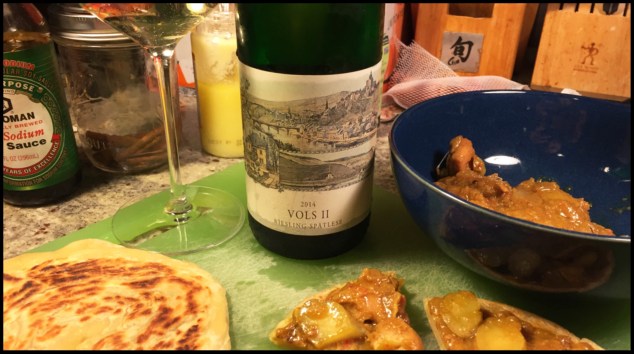
To pair with the curry pizzas, Vols – “Vols II,” Riesling, Spätlese, Wiltinger Braunfels, Mosel 2014 had just the right touch of sweetness to combat the heat while its searing acidity cut through the richness of the coconut curry. The nose is flooded with petrol and lime zest while tart pineapple and brilliant slate minerality make up the palate. This is a beautiful wine all on its own but can really complete an experience, as it did here.

It’s successes like this that make me bananas for a group like r/52weeksofcooking.

kevin running wild