


Perched overlooking the sleepy harbor of Point Loma, San Diego’s Pizza Nova is a spacious bayside joint cooking up wood-fired pizza amongst other restaurant standards. Aside from the expected basics of pepperoni and margherita, a range of non-traditional pies tempt the more adventurous with toppings not often found on pizza, such as pears, zucchini or thai flavors. Proximity to the sea seems to have had some minor influences on their chosen style as their eponymous signature pie features smoked salmon. Fluffed up with flavors of red onions, caper and goat cheese, the Pizza Nova pie is a tasty departure from loveable classics most swear allegiance to.

When ordered to-go, the freshly baked pizza kisses salmon with boxed-in heat, cooking in a bit more flaky texture and pink opaqueness. While the salmon brings a sweet smokiness to the overall profile, the capers are bright with ocean-like salinity and the goat cheese peps up each bite with a hit of grassy tang. The oily presence of fontina and mozzarella cheeses wants for a super palate cleanser of acidity while the most prominent flavor of salty brininess calls for something light and mineral-driven.
We return to the Loire Valley where Sancerre grows Sauvignon Blanc from a limestone-rich soil littered with fossilized seashells and capable of fostering a chalky minerality in these vibrant wines. Quintessential Sancerre is unoaked and bone dry with aromatics encompassing a broad spectrum, from green bell pepper to wet rocks to gooseberries. The 2013 Hippolyte Reverdy Sancerre is a clean, straightforward style with flavors of citrus blossom, tart lemon and grapefruit as well as contrasting tropical fruit aromas that are especially loud and lush when juxtaposed with the savory pizza elements. Enhanced with aromas of garlic and red onion, the sharp flavors on the pizza soften the edges on this piercing style of Sauvignon Blanc, balancing each other in turn.

One ingredient here truly secures this pairing: goat cheese. Sancerre and chèvre are a classic “grows together, goes together” combination, adhering to a culinary philosophy that resonates throughout cultures worldwide. While terroir may be an influential factor, the main driving force behind so many of these “perfect” pairings is more likely a matter of time and space. When food and wine find themselves at the dinner table again and again, regional preferences drive the two beyond mere coexistence into a balanced dynamic reinforced by generations of tradition. Since this culinary symbiosis requires ample time for coevolution, most examples of the phenomenon unsurprisingly emerge from the Old World, encompassing classics such as Muscadet and oysters or Nebbiolo and truffles. The many traditions are worth exploration and thoughtful engagement, but they should be considered handy tools rather than governing guidelines. Otherwise this whole business of pairing food and wine would prove way less fun.






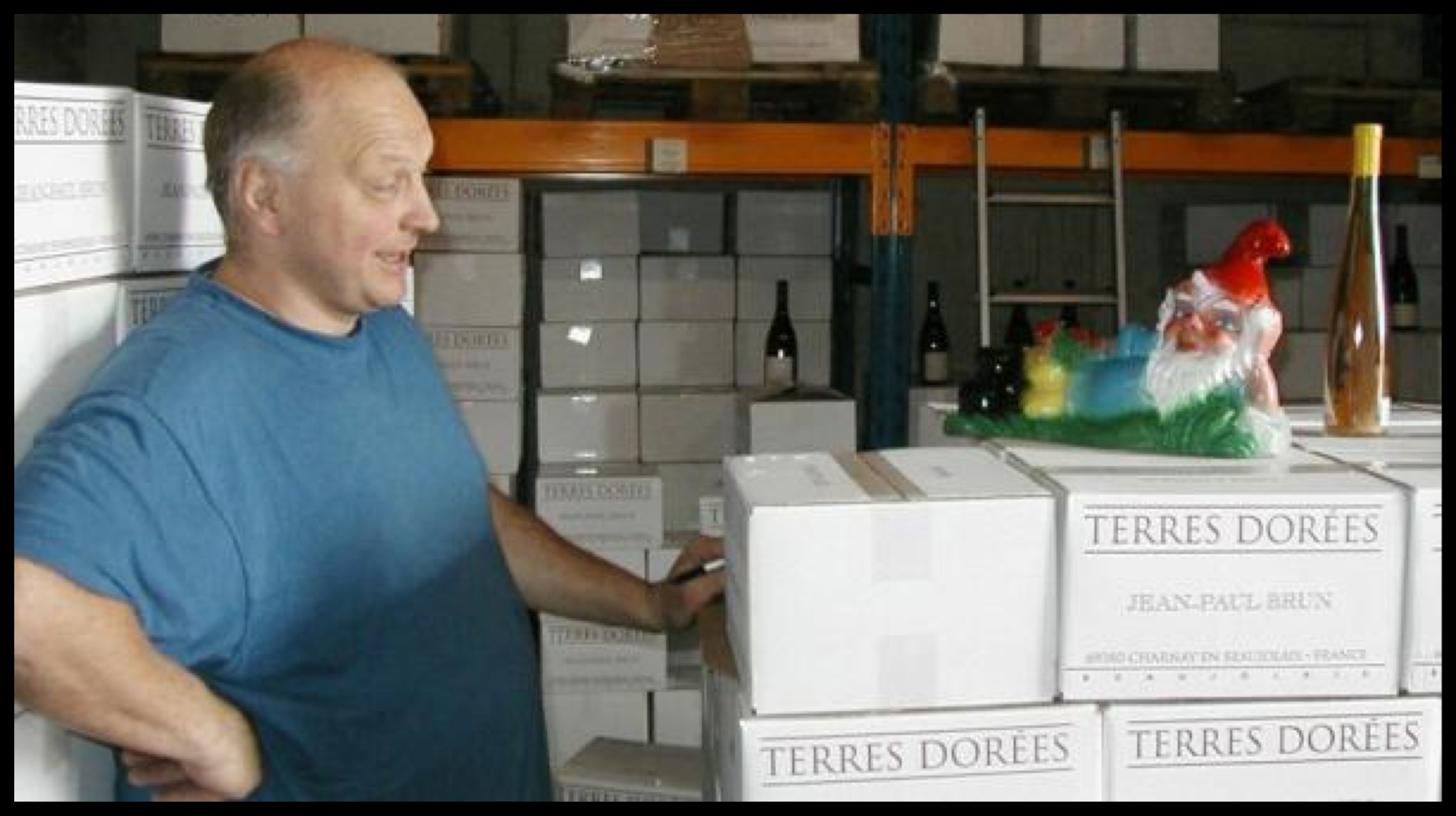
 With a name deserving to belong on an Olive Garden menu, the Gouda Garlic Alfredo is surprisingly light, with chicken, spinach and sun-dried tomatoes driving the true flavor profile. Tomato acted as the diva of the bunch, bursting with personality and juicy, concentrated musk while the gouda was shy with just a twang of nuttiness. Even the garlic was subdued by the soft vegetal tones brought on by the greens. And chicken was there being chicken, offering texture and support to all its more flavorful companions. Unfazed by any smattering of red pepper flakes or garlic undertones, the Beaujolais Blanc drove the midnight snack forward with each sip invigorating the palate for more. And so it goes, the pizza was reduced to mere crumbs and crust, concluding this pairing adventure with one momentous realization: Beaujolais Blanc is rad.
 pizzasomm