Week 22: East Asian – Plum & Peking Duck Pizza

To satisfy the rather broad requirement of East Asian cuisine, I pizza-morphed the dish I long for the most: Peking Duck. Such a feat required a bit of skirting traditional preparations for a more convenient Western take on the dish. Serious Eats had some mad tips in this department.

IMG_6319

First the duck was salted and air-dried for 2 hours before coating with a honey, soy and baking powder mixture for another 12 hours.

IMG_6320

The duck was roasted on a low oven heat (300-350 degrees F) until the skin turned golden brown. The meat was sliced to replicate the Peking Duck style.
IMG_6323

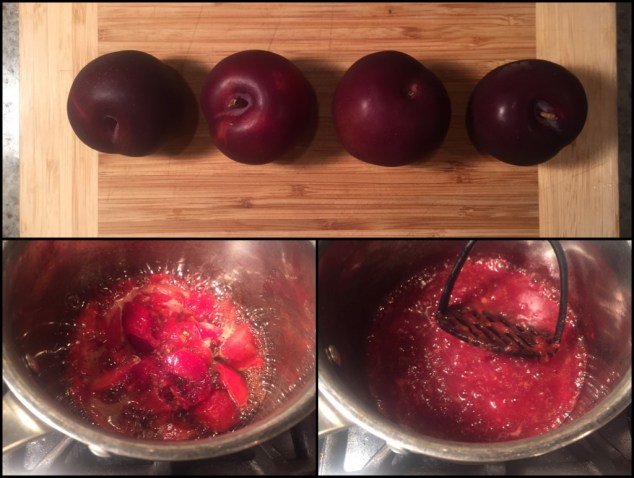
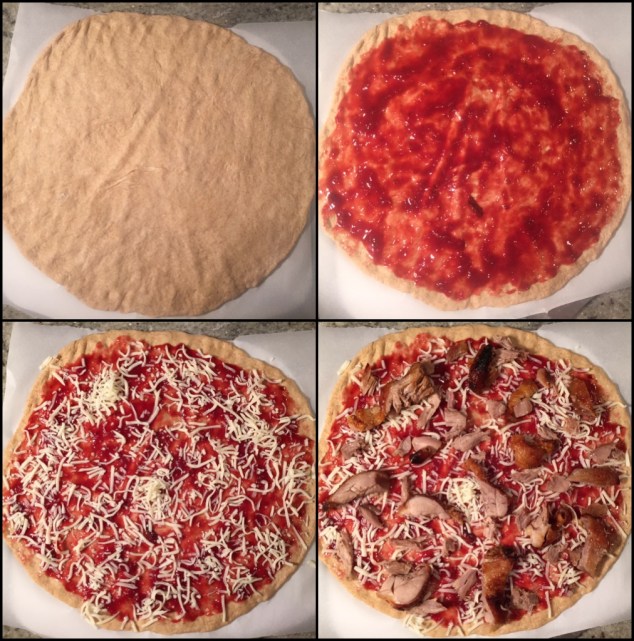
Meanwhile, I cooked up a batch of the Serious Eats’ plum sauce.
IMG_6324

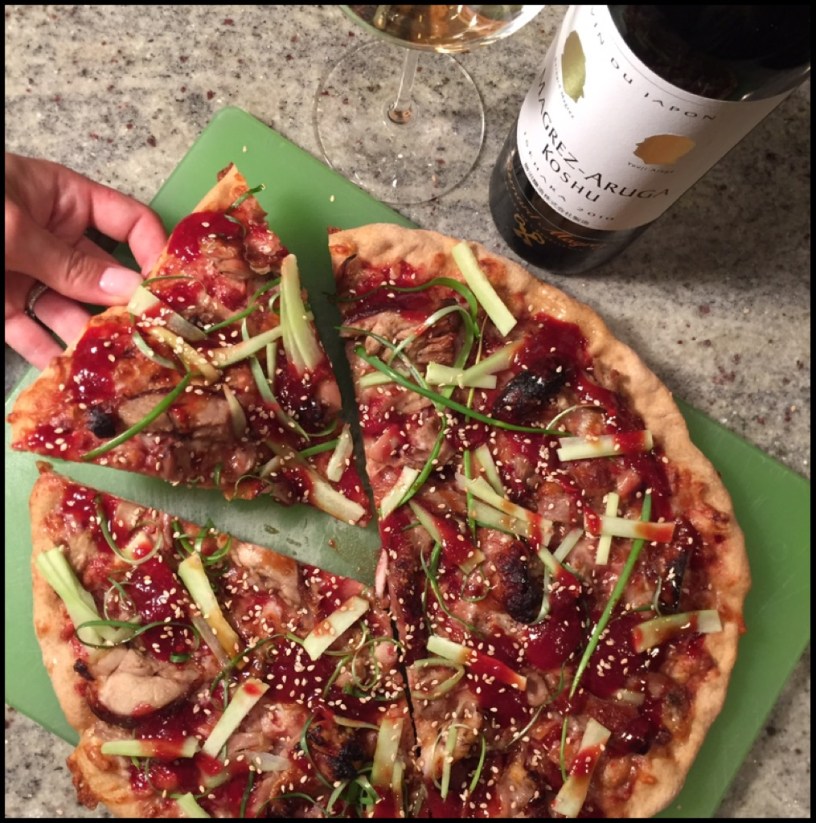
With plum sauce and a little cheese to soften the edges of this pie, the roasted duck was applied liberally and the whole was tossed into the oven.
IMG_6325

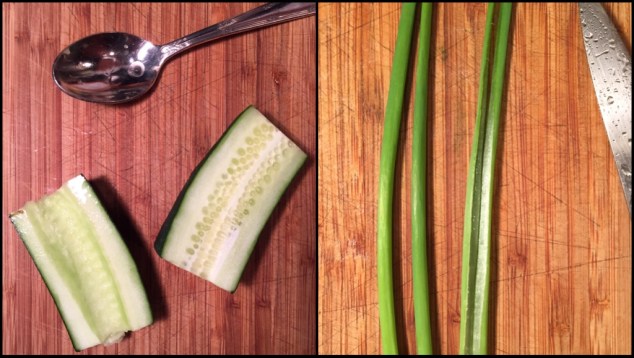
Cucumber sticks sand scallion ribbons were prepared for post-oven additions, as was a mixture of hoisin and plum sauce for drizzling over.

IMG_6326

The pizza tasted much like my memories of the very few true Peking Duck experiences of my memories. While the extra stint in the oven over cooked the duck a tad, the cucumber was fresh and the plum sauce light and vibrant.

IMG_6327

Having purchased my first bottle of Japanese wine just a week after Week 8’s Japanese challenge, I leapt at the chance to pair a wine so well suited for the theme.

IMG_6328

It may have not been the best pairings, what with fruit and a bit of chili spice calling desperately for Riesling, I still find the wine fascinatingly delicious and extremely well balanced with tart fruits and minerality dancing about the palate as if it were expected of the style. I will be chasing Japanese wines again, but likely not alongside a pizza like this.

Week 21: Cheap Meals – $0.77 Cheesy Homemade Tortilla Pizza

For this cheap eats challenge, I expanded on a cheap and easy meal I make on the regular: stove-top tortilla pizza. To push my cooking limitations, I chose to create my own whole wheat tortillas from scratch. Meanwhile, the sauce used was my favorite go-to for mixed media.

IMG_6103

Canned San Marzanos are somewhat expensive comparatively, at $4.69 per 28 oz. can, but they are worth the brightness of flavor. It’s possible to cut costs here.

IMG_6104

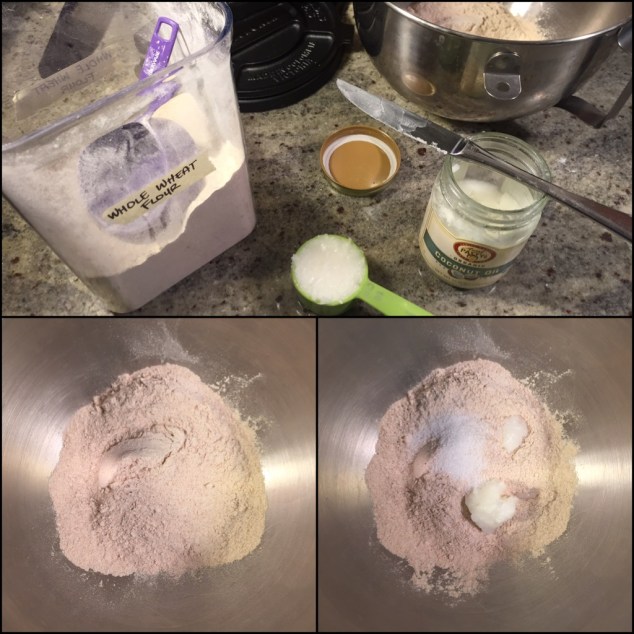
Tortillas require an simple mix of flour, lard and a touch of salt. Coconut oil works as an easy lard substitution. Water is added to the mixer to pull the dough together.

IMG_6105

Two kitchen tools are helpful in tortilla making: a tortilla press and a mixer. Either can be replaced with a bit of extra manual labor but it comes heavily recommended by many sources that these machines are preferred for quality and consistency.

IMG_6106

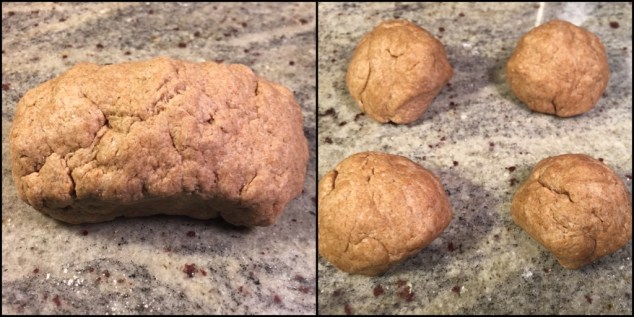
As the dough is being divided and pressed, it is best to store the unused pieces under a damp paper towel to keep from drying out.

IMG_6107

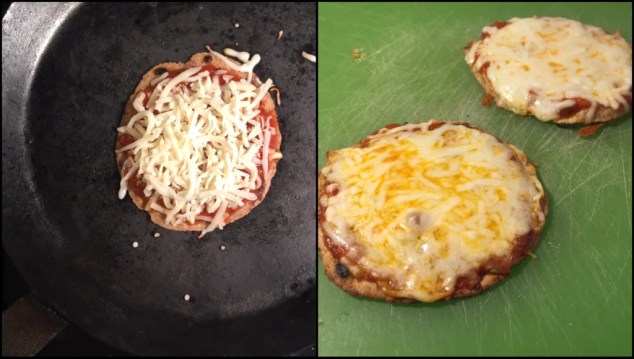
While the tortillas can be rolled out with a pin, a press is capable of achieving an extremely thin crust for cooking. A metal crepe plan is best to not only crisp up the uncooked tortillas, but also to fulfill their destiny as a quickie pizza.

IMG_6108

After cooking one side for one or two minutes without oil, the freshly flipped side was topped immediately with sauce and cheese until the bottom was crisped up. The cheese was melted in a pre-heated toaster oven and chopped up for immediate enjoyment.

IMG_6111

Breaking down the cost of all the ingredients, including spice, oils and vinegar used in small quantities, the general cost of a basic tortilla pizza is $0.77. For the hand-held sets, I calculated about half the price for a super budget pizza fix.

IMG_6110

Wine is its own category of budget as its quite a two-fold luxury item. Not only is alcohol arguably superfluous in the age of untainted water supplies, but (good) wine in particular requires some costly attention and resources, all of which can drive prices into ridiculous realms when you consider we’re talking about the exact same amount of liquid per bottle.

IMG_6109

Sicilian wines draw my attention more and more with offerings of cheap and indigenous varietals that can thrill the palate with fruit and complexity. Nero d’Avola is not a favorite style, as notes of rubber can overwhelm the flavor profile, but it is admittedly cheap overall. For $16 a bottle, an Italian red is worth stocking for any unforeseen pizza party.

Week 20: Outdoorsman – Charcoal-Grilled Veggie Pizza

Taking on the camping aspect of this week’s theme, I fought mild waves of self-doubt over how cooking pizza outdoors would actually go. In the kitchen, I rotate through most of the gear enough to anticipate any issues or difficulties. Cooking pizza dough on a naked grill didn’t come as intuitively as cooking a steak, so I tapped a Serious Eats guide for a smack of confidence that the dough wouldn’t just slide through the grates cartoon-like and melt over the coals. And it didn’t.
Preparation turned out to be the most important lesson in this setting. While this grill session took place in my backyard on a mild weekend afternoon, running inside for every forgotten item was pain enough for me to squeeze out a thoughtful camping lesson for reflection. If I truly were camping, I’d be boned nine times before food ever hit the grill.

IMG_5744

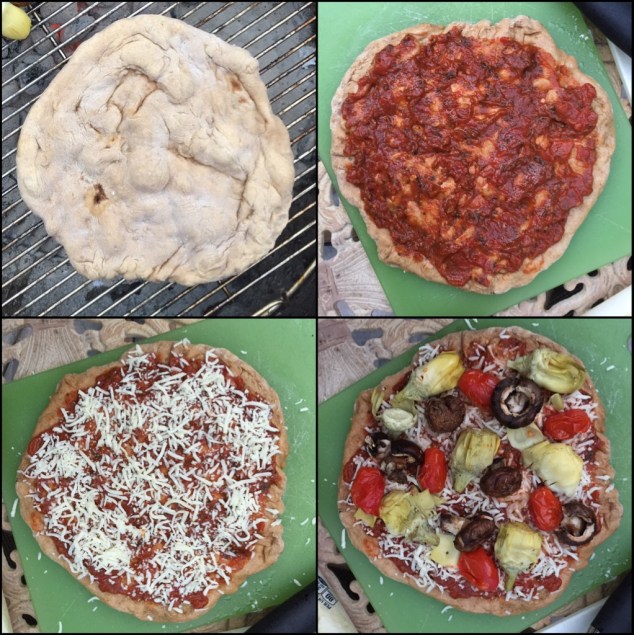
While the coals heated up, I prepped the veggies first, skewering mushrooms, cherry tomatoes and canned artichoke hearts (which were thankfully placed in a pop-top can).

IMG_5746

The dough was patted out in advance, ready to determine the course of this night with how well it faced the grill. To my surprise, the crust was rather easy to manage once it settled in over the heat. It bubbled up and took on a rather rustic look within minutes. Rotation helped to cook portions of both crust and vegetables evenly over the meager amount of coals used.

IMG_5747

With one side of the dough fully cooked, I flipped the crust over for a kiss of heat so that texture wouldn’t be too soft amongst the toppings.

IMG_5748

The sturdiness of the dough was rather fortunate as I gave no thought to the weight of the toppings as they were piled on. It was only during the transfer back to the grill that I realized how heavy the pizza had become, but the crust stayed true to the cause.

JPEG image-1064AC8DCA29-1

With coals pushed to one side, I set the pizza on the other end and tried to capture enough heat under the grill cover to melt the cheese a bit. The results were somewhat lackluster but the flavor remained unaffected.

IMG_5750

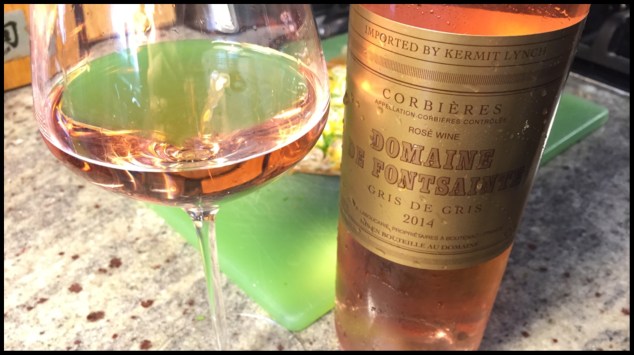
With big, juicy toppings to chomp into, this pizza had a glamping charm to it that would only suit a rosé. Something crisp and funky from Corsica to feast with.

IMG_5749

But just as the realities of camping with wine have struck me before, this bottle was corked and completely ruined for enjoyment. So I did as I did last time and grabbed a beer.

IMG_5751

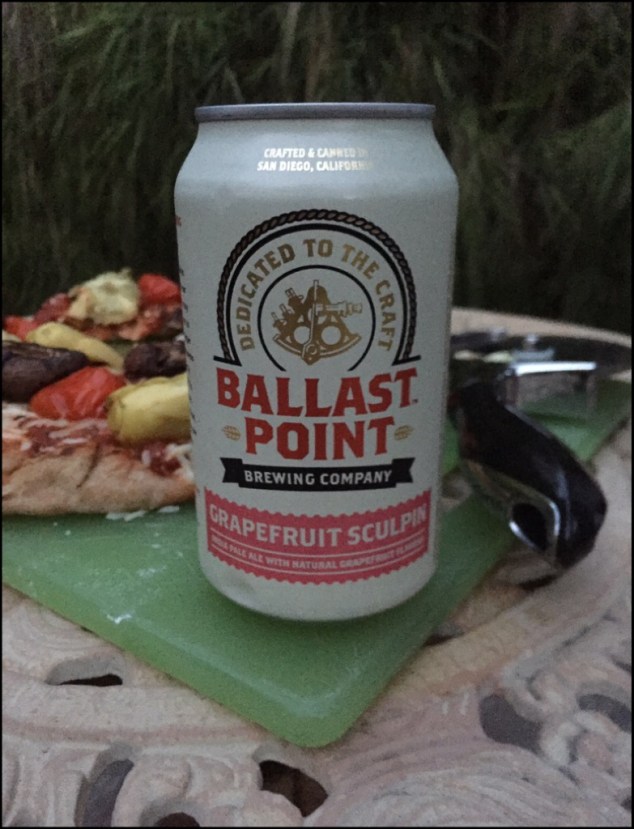
Yes, Ballast Point sold out for a billion dollar check but that doesn’t mean I love this beer any less. It’s refreshing AF and great alongside whatever just came off the grill. Cheers.

Week 19: Mother Sauces – Cheddar Stuffed-Crust Pretzel Pizza

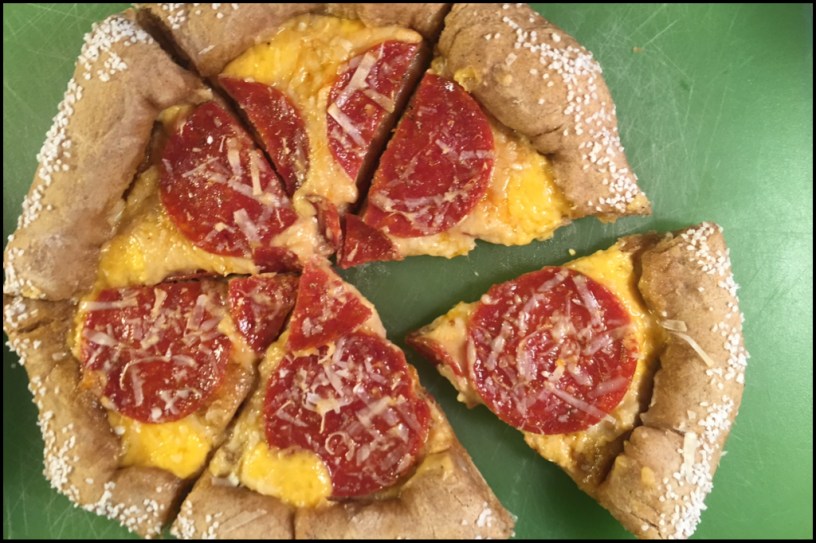
I got a little ambitious for this week’s Mother Sauces challenge (which I’m just now putting together is themed so for Mother’s Day). Making, documenting and incorporating the tomato sauce I regularly make, a batch of which I completed last night for restocking purposes, would be a pretty big yawnfest. Instead, I chose to take the béchamel route and build a pizza around the cheddar sauce so introduced by the designated wikipedia page. What followed was a plot to not only create a pretzel crust to enhance the tasty mustard and cheddar elements, but also to stuff said crust with cheddar. It went pretty alright.

JPEG image-8443CA906CBF-1

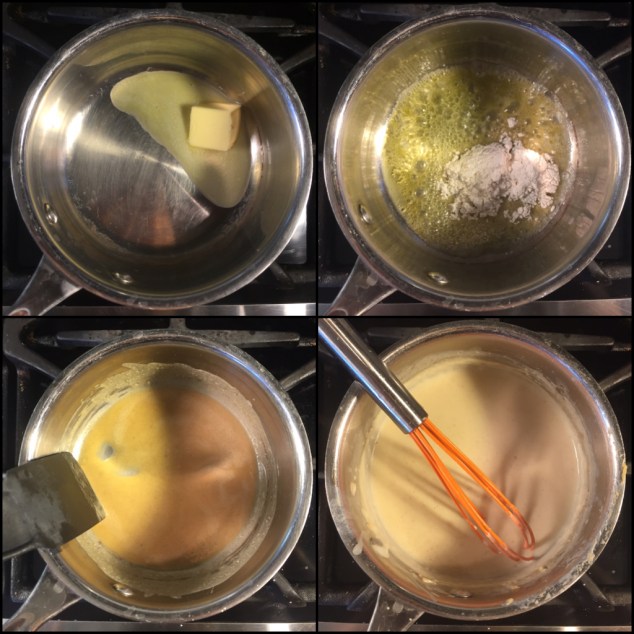
I began with the sauce, first whipping up a basic béchamel sauce to work from.

JPEG image-94B5951F641D-1

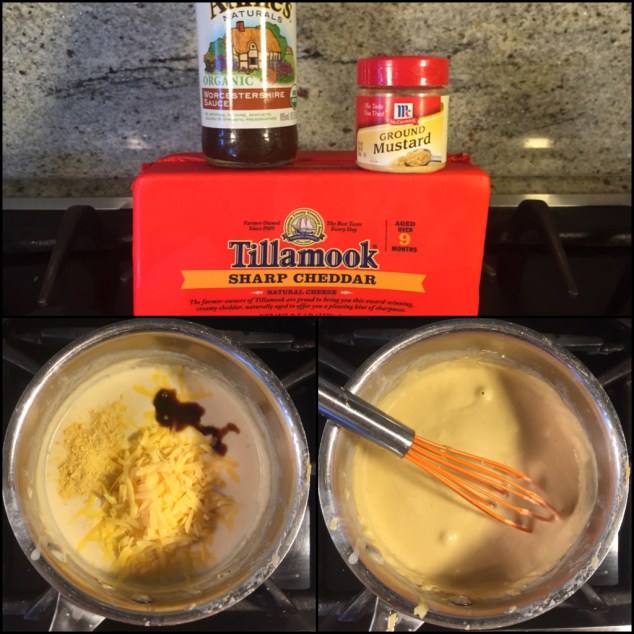
Then dry mustard, cheddar and worcestershire sauce was adding according to whimsy.

JPEG image-EA56114EAA56-1

The dough was rolled out and thin slabs of cheddar were wrapped into the crust. Transferring the dough into a pre-heated cast-iron pan without incident proved to be difficult but manageable with the help of a large, flat spatula.

JPEG image-AED364E11392-1

The cheddar sauce was applied liberally as the base with mozzarella and pepperoni to follow on top.

JPEG image-24677F0E4A63-1

A baking soda-boiling water concoction was dabbed onto the crust to earn that familiar pretzel browning from some oven time. Pretzel salt was specifically sourced for this project and the remaining half gallon requires a commitment to future pretzel projects, which I’m okay with.

JPEG image-CACDAA4DD235-1

All this cheesy business requires a wine that can withstand a salty punch to the face. When a dish veers to an extreme savory note, a push towards fruity expression in wine can offer some balance to the palate.

JPEG image-96EC5DEF0C70-1

Torres Alegre – 2005 “Cru Garage” Zinfandel (Valle de Guadalupe, Mexico) is a sun-pampered, incredibly fruit-driven style expressing dried dark berries and overripe plums with hedonistic intensity. Alone, this wine can sit heavy, especially with a lackluster acidity that would normally be a deal-breaker for me personally. Alongside a plate of salty flavors, all is forgiven as the fruit brightens and sings. The same concept can be applied with most any fruit-forward wine and should be.

Week 18: Brown Bag Lunch – Homemade Lunchables Pizza

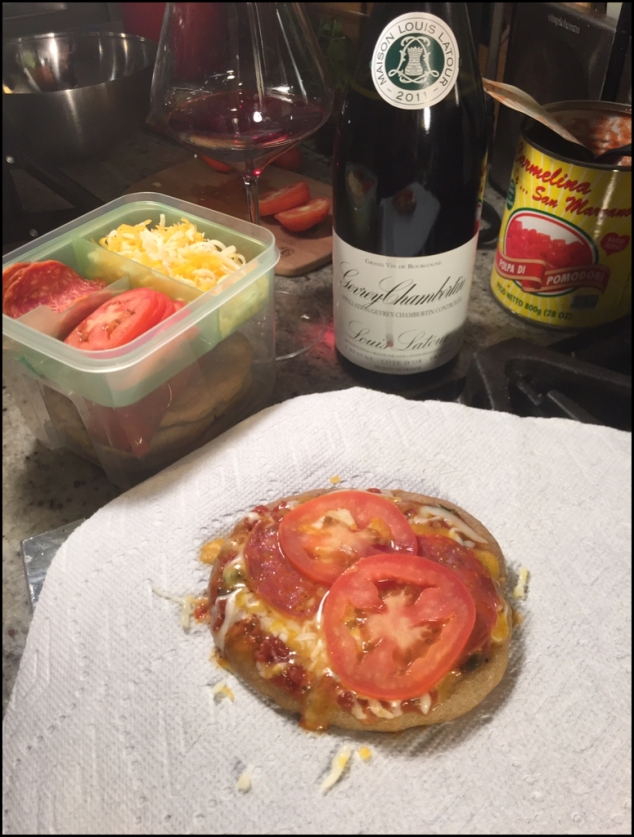
This week’s Brown Bag Lunch challenge dangled the opportunity to poke at my nostalgia buttons and I took a swing at my very own set of homemade Lunchables pizza. Overall, this was a very smart decision.

JPEG image-D70DB9C12195-1

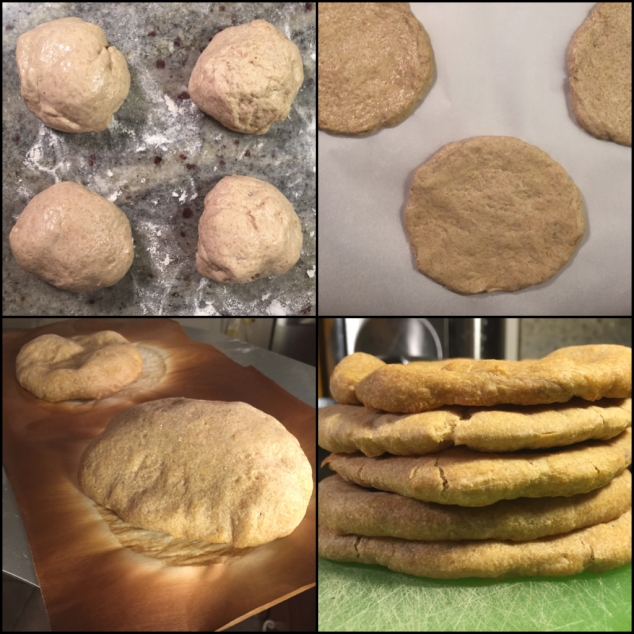
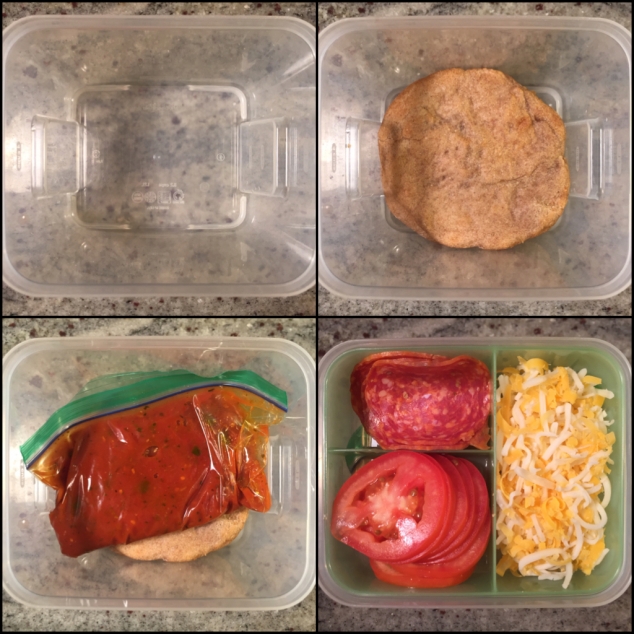
To begin, mini crust discs are made to fit the lunching tupperware I use on the daily for packing snacks for work. Puffing up in oven may be an issue, which can be remedied by a few stabs from a fork beforehand or a bit of pressure from above afterwards.

JPEG image-667A5B9143FA-1

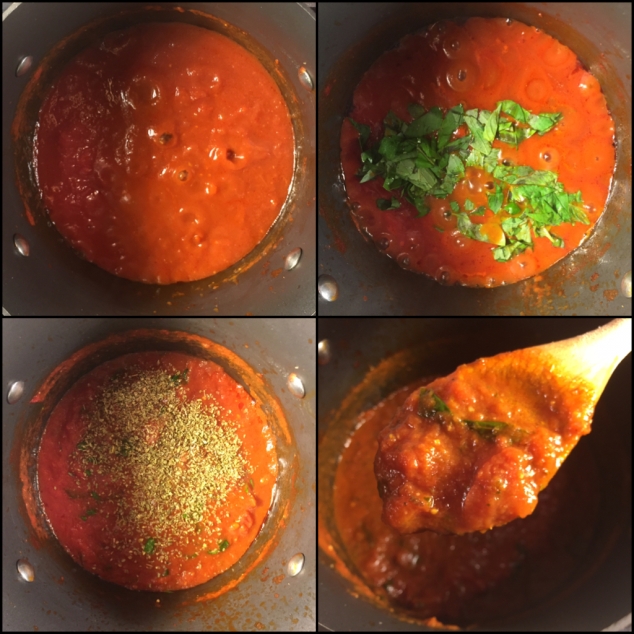
Next the tomato sauce is made by gently cooking garlic in olive oil and then dousing crushed San Marzano tomatoes into the pot for a quick simmer. Fresh basil and dried oregano make up the whole of the spices used.

JPEG image-7C5203FE6EBF-1

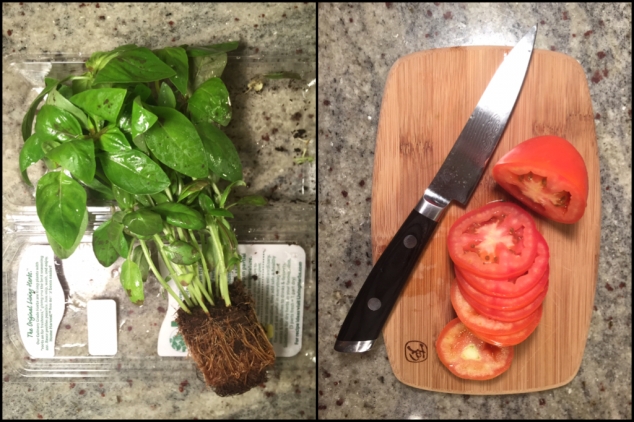
Raw ingredients may vary based on personal preference but fresh tomatoes and pepperoni are great toppings of choice.

JPEG image-2B3F662A6476-1

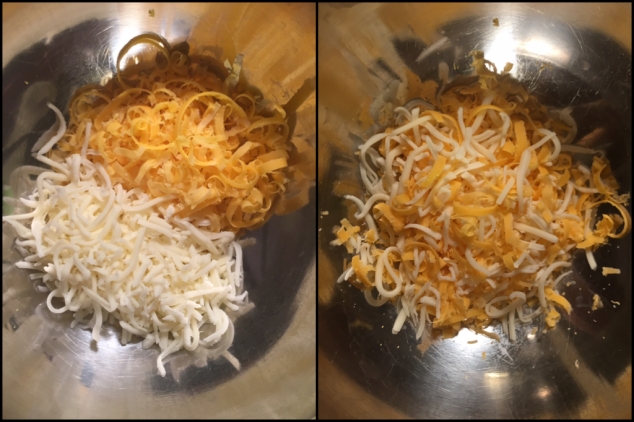
A quick mix of cheddar and mozzarella made for a wonderfully complex assortment of cheese aromatics. For further instruction on preparing a two cheese blend, this brief video guide can provide the necessary guidance for mastery.

JPEG image-207162CEF148-1

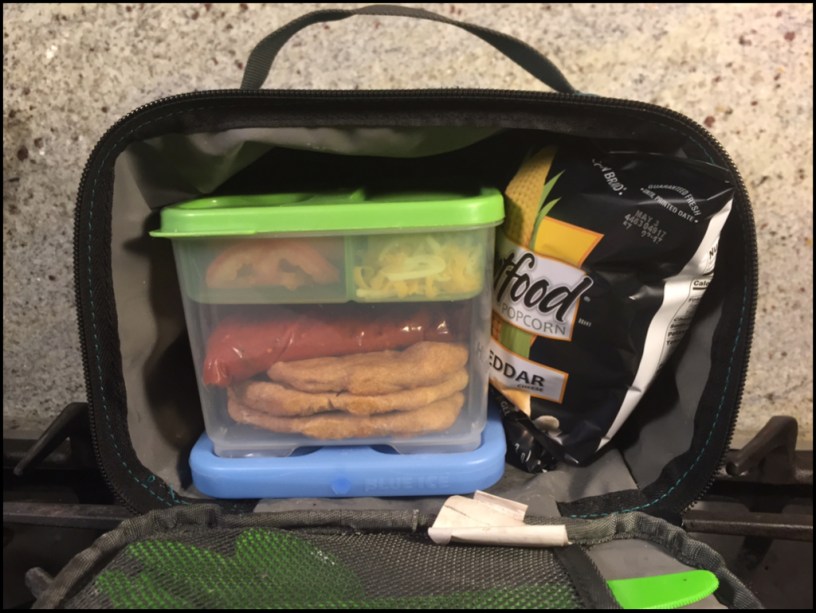
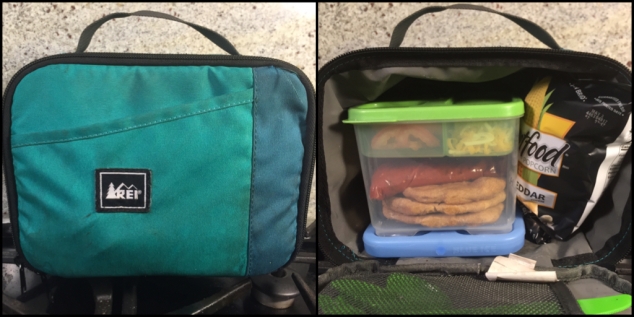
Staging is key in creating a bag meal experience. For the majority of my packed food needs, I turn to a set of Rubbermaid kits I found at Costco once long ago. They just happen to fit the REI lunchbag I bought just as long ago.

JPEG image-571E10EDD635-1

Being the responsible worldly thinker that I am, I chose to feature my handy-dandy reusable lunchbox as my “brown bag” for this project. Stocked with plastic utensils and an icepack, all this lunch needs is a nice view and a cool breeze.

JPEG image-9AA5B761F2AF-1

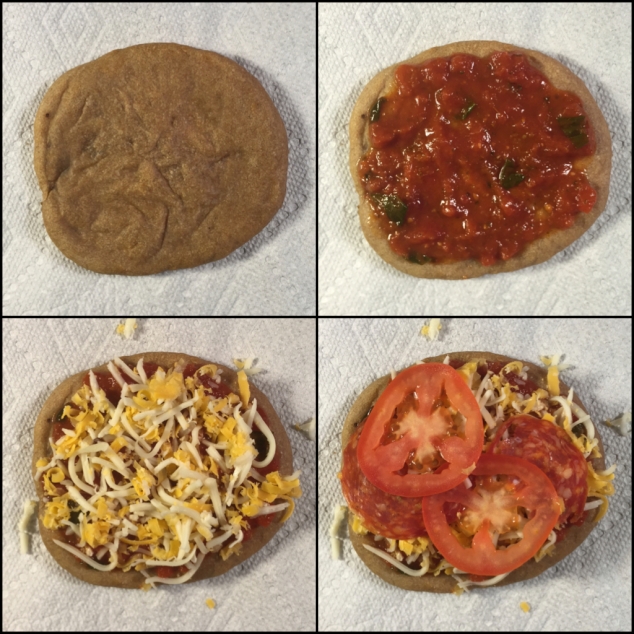
The build is simple. A microwave or toaster oven can zap this mini pizza into a blissful dance through a flavor meadow, but the extra effort can be easily overlooked when hungry.

JPEG image-79DD3F42BF33-1

If wine is an option, rosé or lambrusco can make a daytime meal sing. If a lunch is forgotten until the later hours, a Louis Latour red burgundy can transform a Lunchables adventure into an epic midnight snack.

Week 17: Medieval – Spiced Almond & Pomegranate Cornish Hen Pizza

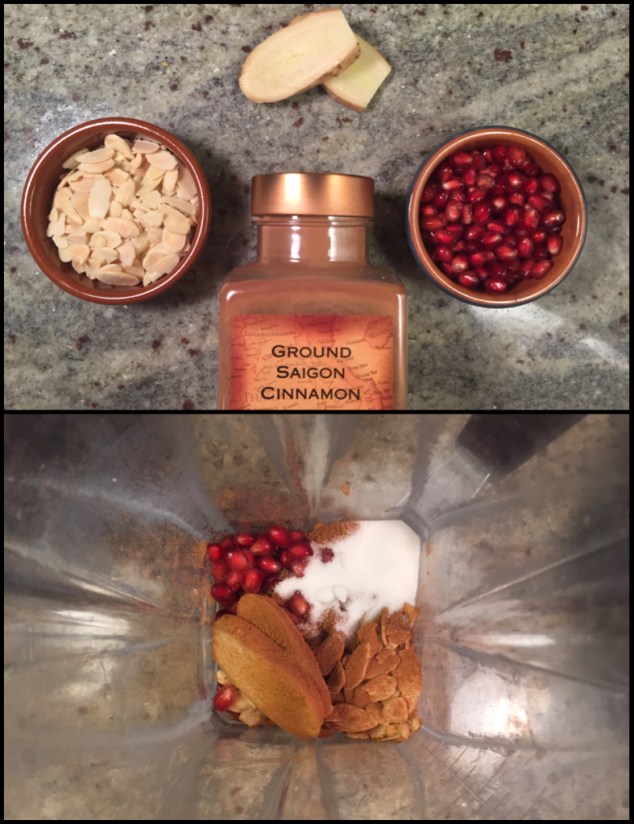
To kick off Season 6 of Game of Thrones, Reddit’s r/52weeksofcooking has called for a medieval style dish to sustain us through the first episode airing tonight. The pizza constructed to fulfill this requirement began with a 16th century sauce recipe designed to go with partridge or hen. The spice-heavy sauce calls for flavors of cinnamon, ginger, pomegranate and white almonds.

JPEG image-E47AD217CD1A-1.jpeg

The ingredients are pummeled into a mildly gritty texture to recall the days without blenders.

JPEG image-E6E2D650DCBB-1

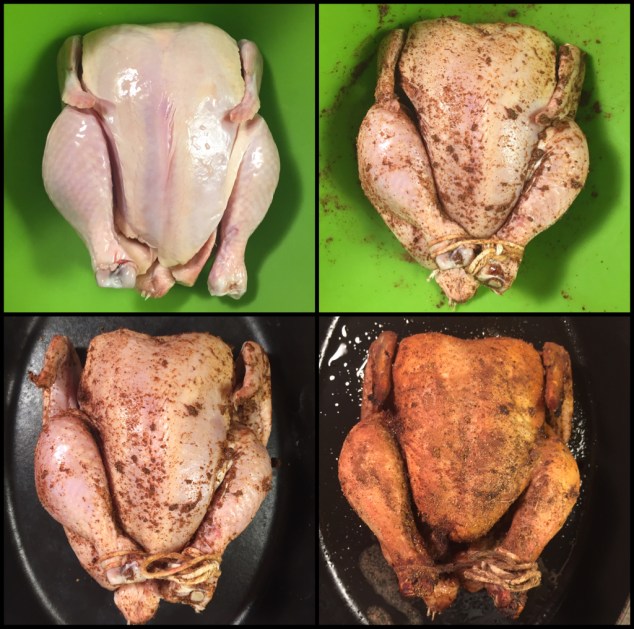
A cornish hen takes the leading role of this pizza. Before roasting, a savory mixture of spices featuring cumin, allspice, paprika and cinnamon is rubbed over the skin for extra flavor. During the cooking and resting period, the crust is prepared.

JPEG image-99B7FFB27652-1

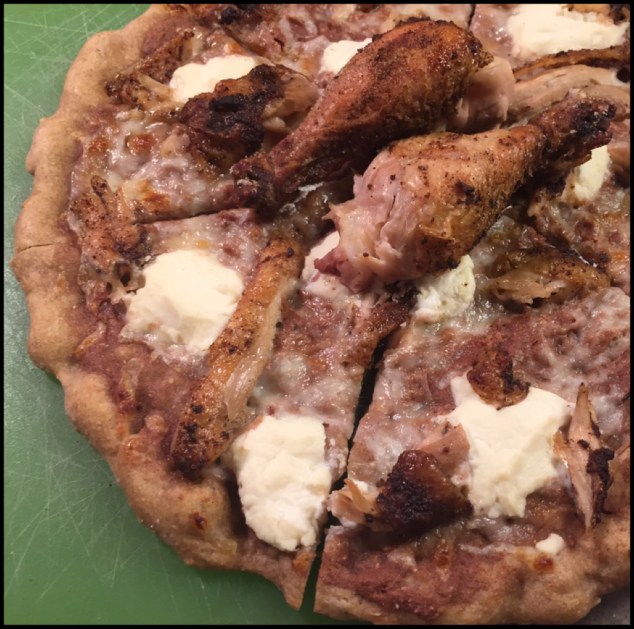
While the sauce does not win any pretty awards, it tastes like wintertime. A flurry of ricotta and mozzarella, both fair game cheeses according to White Oak Historical Society, are added for a bit of extra heartiness.

JPEG image-6F40792A87DE-1

When the hen is done resting, the thighs are sliced and added to the pizza with their crispy skin accompanying. With the meat cooked, the crust is crisped up in an oven of 550°F.

JPEG image-42339E257531-1

The legs are set aside for presentation purposes. This pizza is ready to be spanked on the bottom and sent out to the hungry masses for devouring.


JPEG image-4A9D693D40F3-1

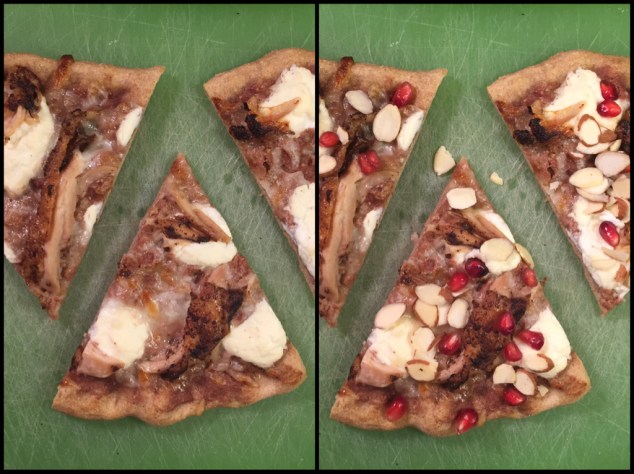
To step these slices up from peasant food to slices fit for noblemen, a quick sprinkle of sliced almonds and pomegranate seeds really jazzes up the presentation.

JPEG image-AB443F6DB93E-1

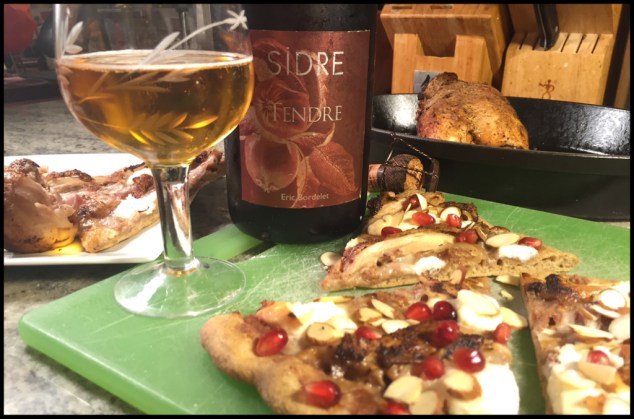
There is no better way to wash down a medieval experience, especially one gushing with cinnamon and spice, than a dainty chalice of cider (Eric Bordelet, Normandy, France), which also happens to make a great drinking game accompaniment at 4% abv.

And since nobody ever seems to find the gifs tucked away in each post:

game of thrones

Week 16: Root to Stem – Shaved Asparagus & Ricotta Pizza with Stem-Infused Whole Wheat Crust

This week is a challenge that speaks directly to the most wasteful aspects of my cooking. While I do my best to make stocks out of bones and stems to feed my soup-making habits, my creativity stops there. The asparagus used to top this week’s pizza will find their cheesy ricotta home built above a crust interlaced with nutrients leached from their usually-discarded stems.

IMG_4741.JPG

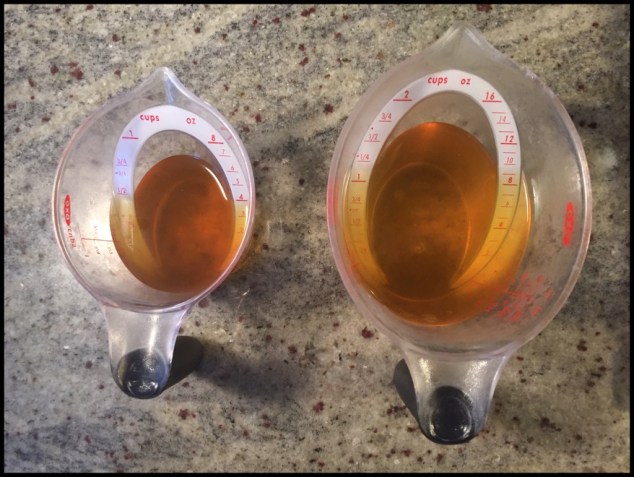
The process was as simple as using a stock created from the stems to substitute for the water used in the crust.

IMG_4744

From here, regular pizza-making resumed. The yeast frolicked in the warm asparagus water that made up their new home and went about business as usual.

IMG_4743

With extra nutrients fortifying the dough, I decided to make a whole wheat flour to create as healthy a pizza package as I could stand without stripping away the essentials.

IMG_4746

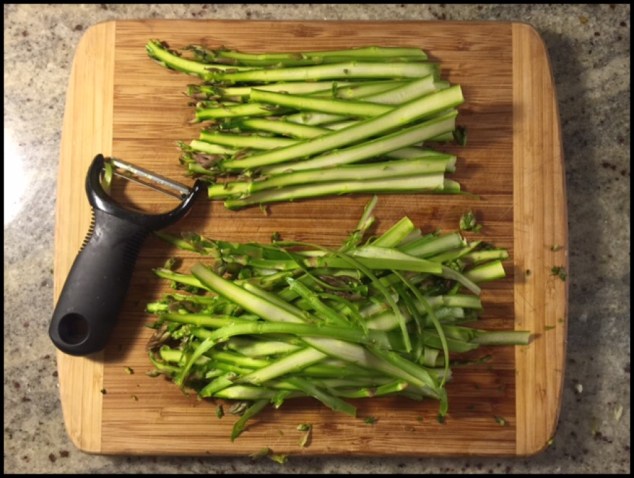
Shaving the asparagus was both equal parts time-consuming and oddly-satisfying. There are core portions that could not be shaved down due to mechanics, thus they were chopped up for additional texture.

IMG_4748

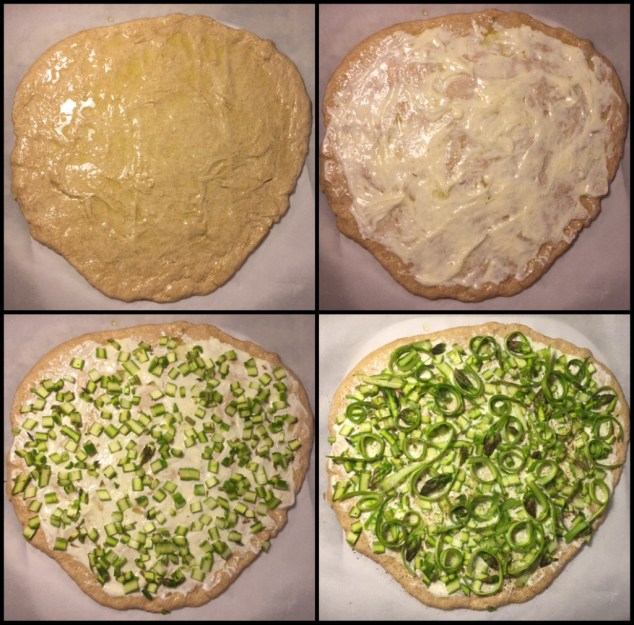
The cheese was a simple mixture of ricotta, lemon olive oil, lemon zest and lemon juice.

IMG_4747

The lemon olive oil can really help make any citrus flavors pop. I used it as the base sauce for the rest of the flavors to play off of.

IMG_4750

At 550F, pizza doesn’t take much longer than 8-10 minutes in the oven.

IMG_4751

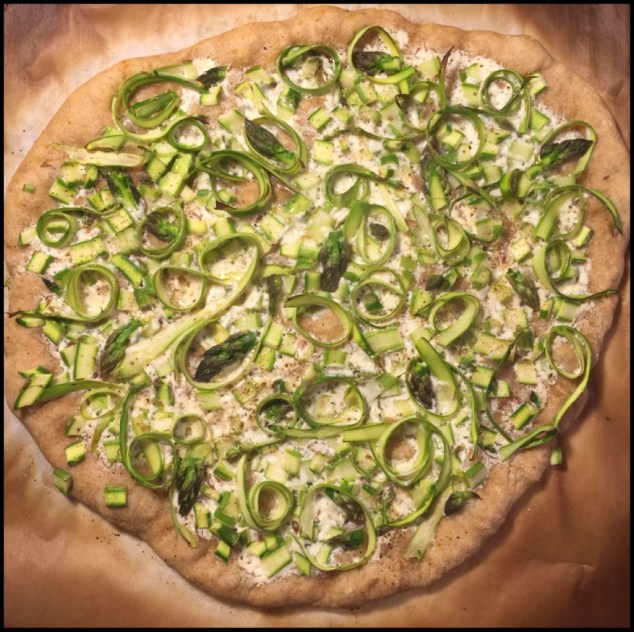
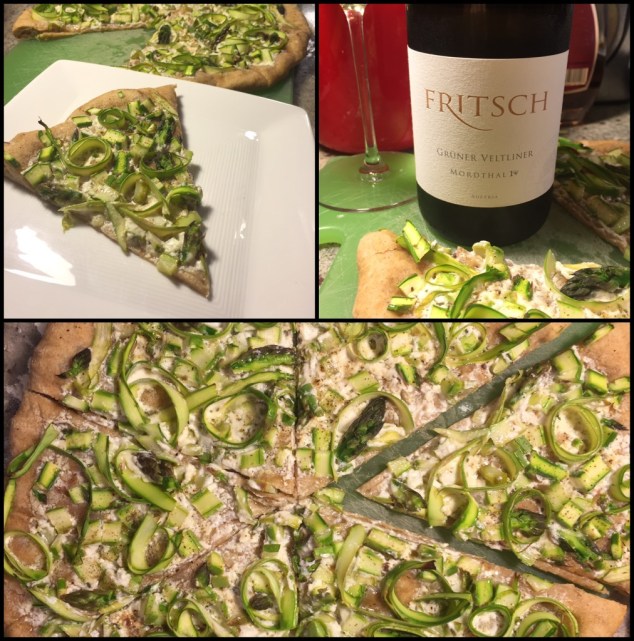
The crust was perfectly chewy with a light crisp to the bottom. To keep the texture more appealing, the shavings of asparagus were each swirled into a gusty little toppings, which were admittedly rather time-consuming to stage as well.

IMG_4752

The effect was worth the effort.

IMG_4755

With a dab of coarsely-ground black pepper on top and wine nearby, these puppies were ready for quick consumption.

IMG_4754

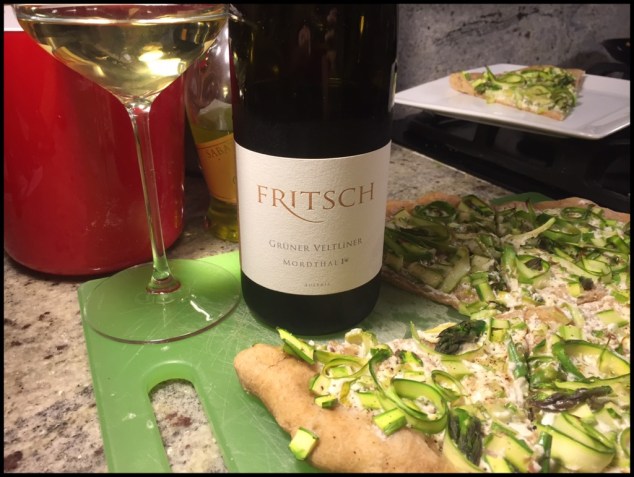
The wine was a Gruner Veltiner, chosen for the qualities it would mirror in the pizza, such as the waxy vegetal notes, peppery aromas and the overall clean style. Neither of the two survived the night.

Week 15: Brazilian – Cast Iron Chicken, Requeijão & Heart of Palm pizza

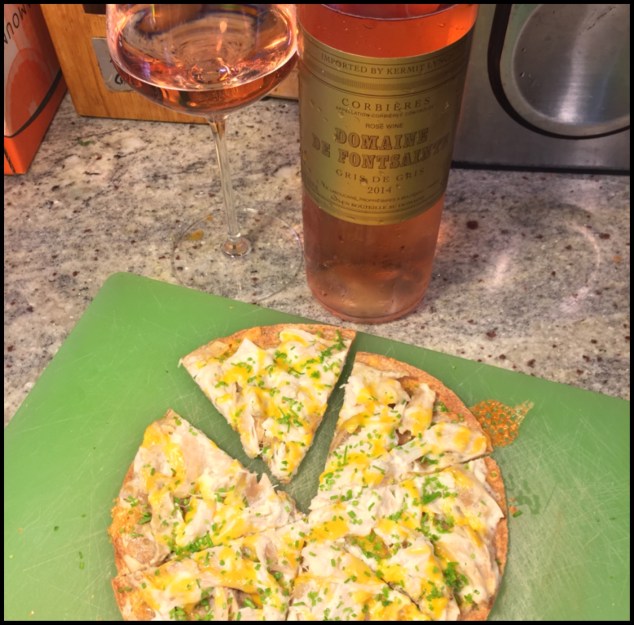
To knock out a killer Brazilian-themed dish the week of my wedding, I decided to make a quickie cast-iron pizza using ingredients sourced from a gem of a shop selling all things Brazilian cuisine. Using shredded roasted chicken, requeijão and heart of palm, I constructed a delicious tortilla pizza, which was then paired with Provençal rosé that was to be served at my wedding two days later. The picture parade to follow will have just a brief overview the details of each step involved.

IMG_1786 (1)

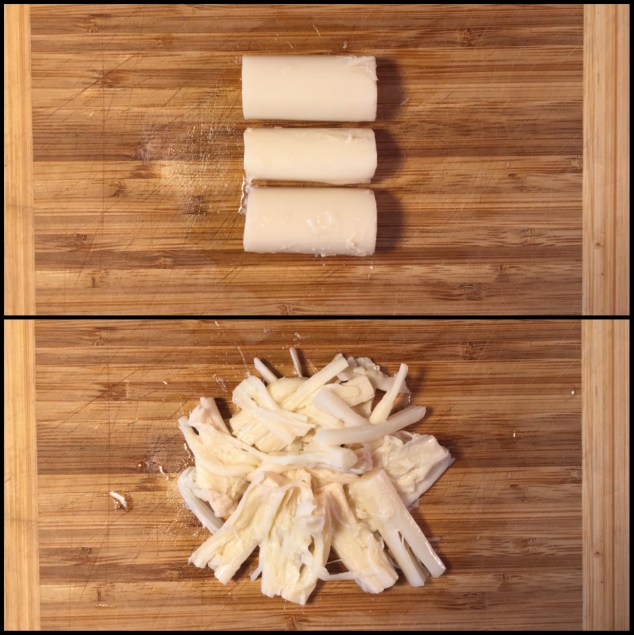
Requeijāo cheese is a gooey, mild cheese adored in Brazil with many uses. Heart of Palm seem to have a fanciness to them I don’t yet quite understand. Working with both is a treat since I really don’t know what I’m doing even a little bit.

IMG_1788 (1)

The heart of palm seems to break apart in a rather satisfying way. The goal here is to blend it alongside the pulled chicken for a streamless sense of texture.

IMG_1791 (1)

With chicken and heart of palm combined, a little cheese is added and the whole is mixed for consistency.

IMG_1787 (1)

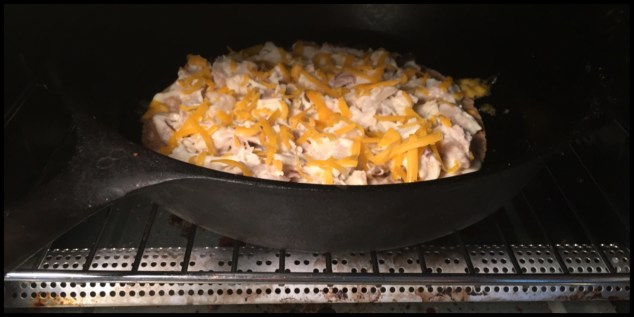
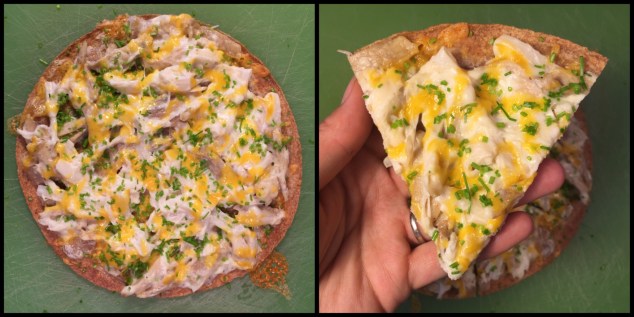
The tortilla is placed over a well-warmed skillet and topped immediately: first with a coating of requeijāo cheese, then the bulk of the payload, then a sprinkle of cheddar.

IMG_1792 (1)

Once dressed, the skillet is taken off the heat and placed in a pre-warmed toaster oven of 400 degrees F.

IMG_1793 (1)

For funsies (and tasty green notes), fresh chives are chopped for the final plating.

IMG_1795 (1)

Meanwhile, rosé is popped to accompany such a quick, light meal.

IMG_1794 (1)

Mmmm.

IMG_1797 (1)

There’s no other way to be.

Week 14: Food in Disguise – Strawberry Jam & Whipped Mascarpone “Margherita Pizza” crepe

To contribute to the pile of tricks compiled for April Fool’s this week, I created a strawberry jam & mascarpone crepe, which is designed to break hearts by looking like a savory pizza pie.

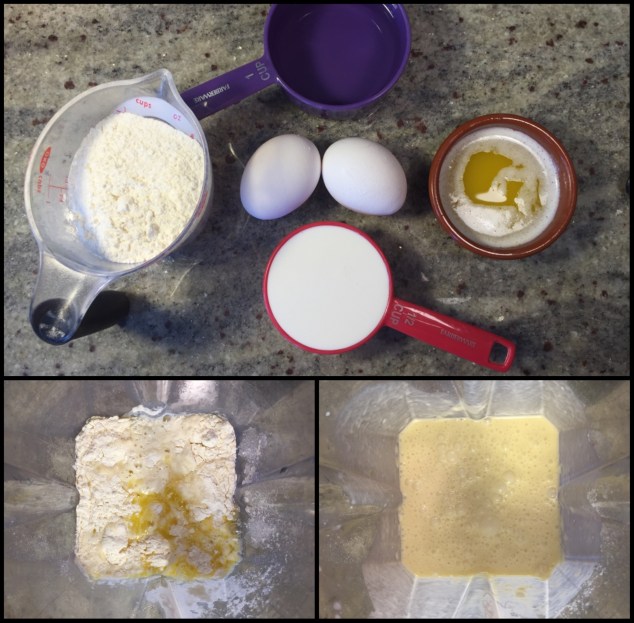
Working from a basic Alton Brown recipe for crepe batter, I started by creating the batter so it had the minimal few hours of rest to ensure a delicate texture.

IMG_1777

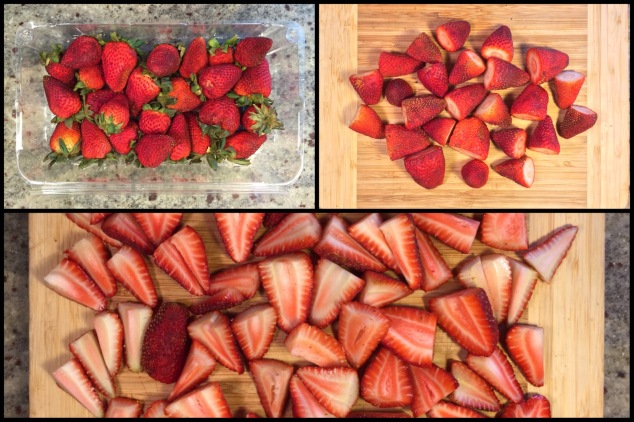
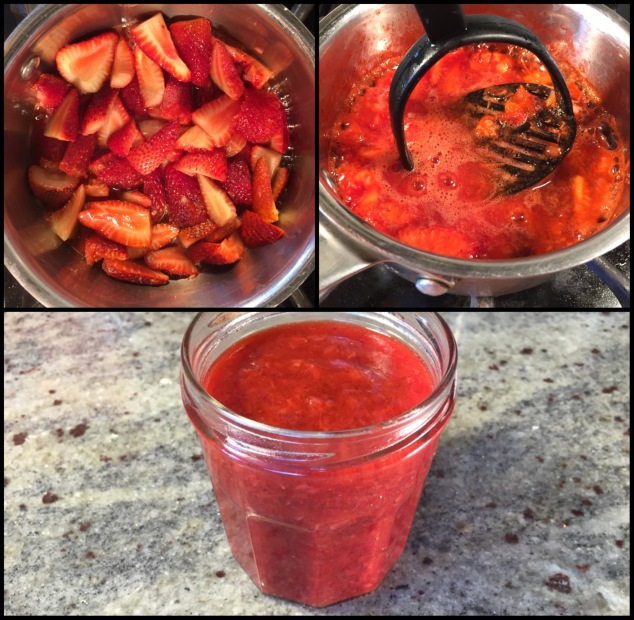
While the batter rested in the refrigerator, I went to work on making a fresh strawberry jam.

IMG_1771

The strawberries were admittedly not fresh but their ultimate demise as a quickie jam experiment was a far better fate becoming engulfed in mold and trashed unceremoniously, IMO.

IMG_1772

For a pristine, pure-fruit style, the jam was made with a modest addition of sugar and a couple ounces of fresh lemon juice to amp up the vibrancy.

IMG_1782

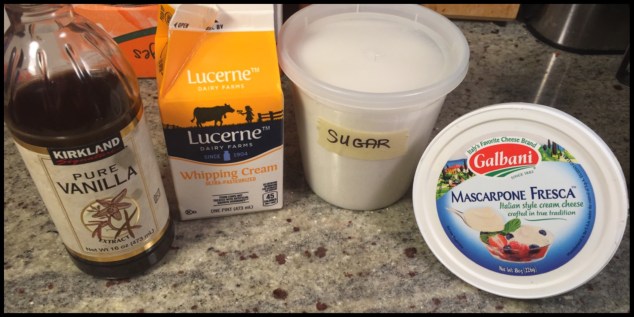
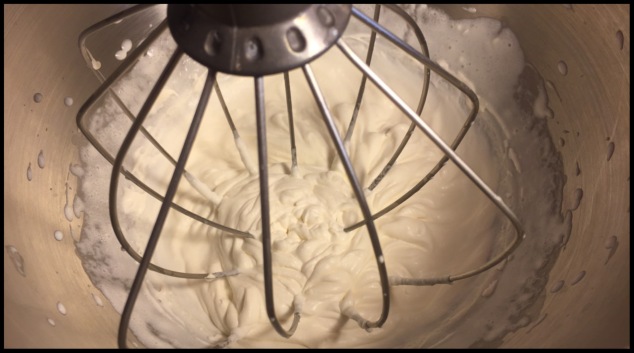
Next, a simple mascarpone cream was whipped up for layering the crepes.

IMG_1776

Again, I reduced the sweetness here to make sure the wine pairing would not be knocked out of balance. More on that later.

IMG_1778

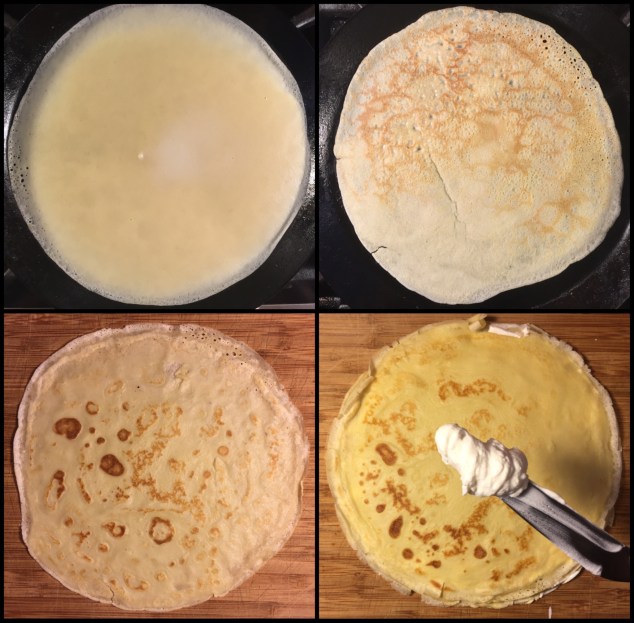
Crepes were made and layered once cooled with a hefty spread of whipped mascarpone between each sheet.

IMG_1779

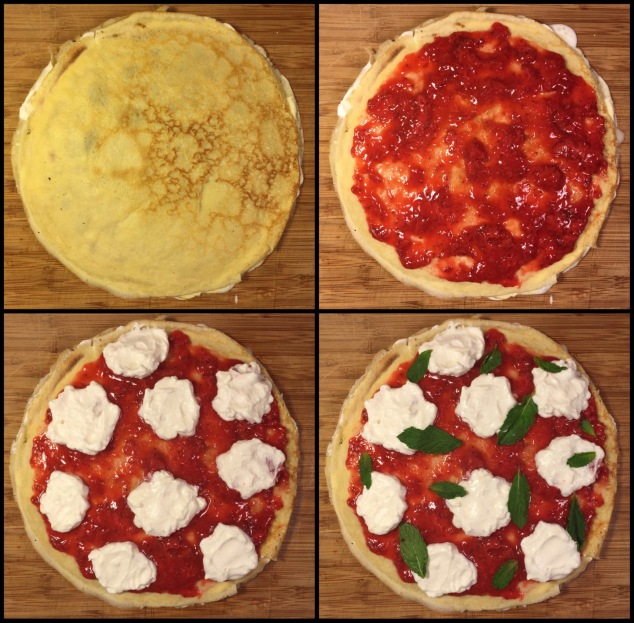
The final layer was then topped with strawberry jam, dollops of mascarpone and fresh mint leaves for effect.

IMG_1781

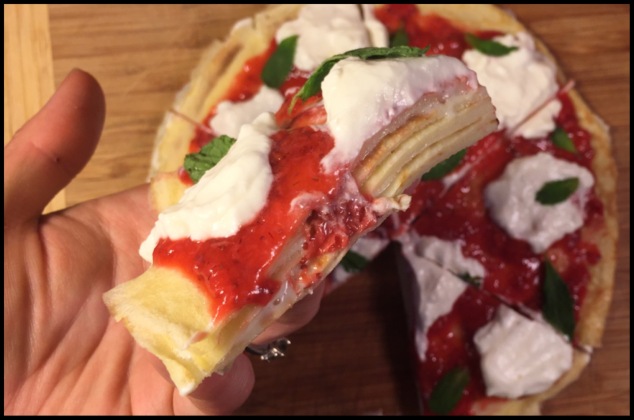
When cut, the thin tiers of creme and crepe took on the personality of a delicate cake that could be managed with a fork and knife or manhandled like a slice of pizza. The latter seemed appropriate.

IMG_1785

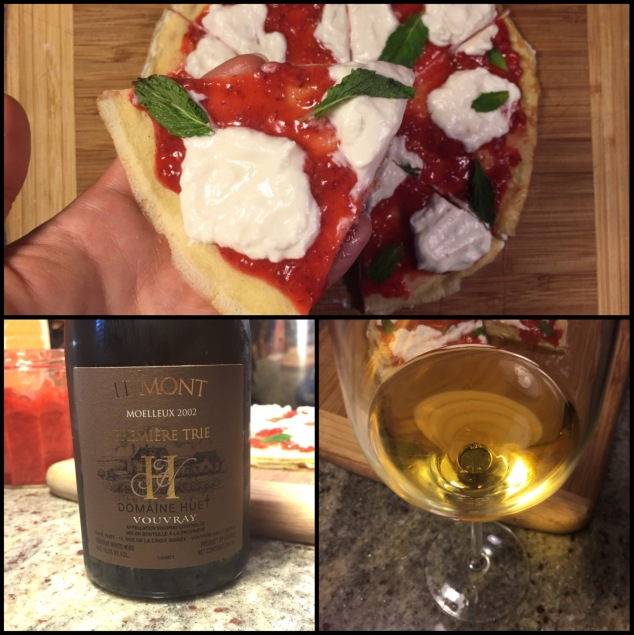
To pair with such fruit, cream and gentle sweetness, I tapped the 2002 Domaine Huet Moelleux Vouvray, “Le Mont,” 1ère Trie of France’s Loire Valley. The intense minerality and brilliance to the aromatics balanced the sweetness so well within the wine that it was remarkably undetectable to the overall experience. Alongside the crepe, it was perfectly matched as any more sweetness from the crepe may threaten to overwhelm the Chenin Blanc. With a sweeter style crepe, a sweeter wine would be needed.

IMG_2662

And now, back to my honeymoon.

Week 13: Breads – Pepperoni Monkey Bread

For this week’s challenge, I revived a past memory of making pepperoni monkey bread as inspired by a cover recipe of Cook’s Country not long ago. Without the actual recipe in hand, and without all the necessary kitchen gear, I put together the best monkey bread my semi-stocked refrigerator would allow.

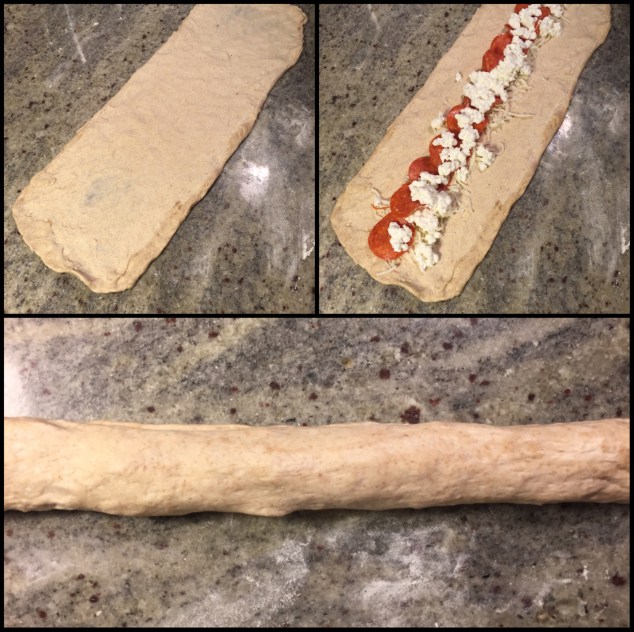
To begin, I rolled out a long sheet of leftover dough from a previous pizza thrill. The contents were then wrapped up into a tight roll for chopping.

IMG_1757

Inside were layers of mozzarella, cottage cheese and pepperoni.

IMG_1755

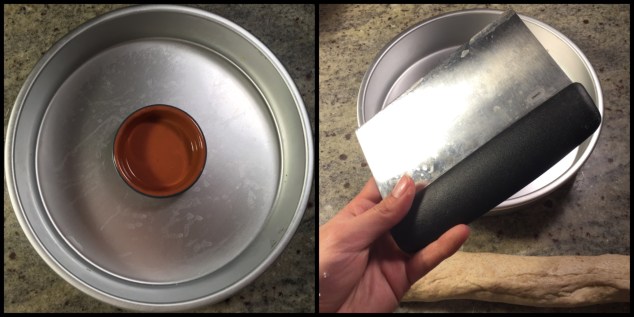
While chopping up the roll into bite-size morsels with a dough scraper is a handy use of a specific kitchen tool, not having a bundt pan is a somewhat difficult piece to find an equivalent for. For this semi-blind experiment, a cake pan with a centered ramekin will have to be sufficient.

IMG_1759

The chopped pieces were placed in a calculated, galactic pattern around the ramekin (which would later serve a dual purpose) and pressed into a compact form for baking.

IMG_1760

The results may have been messy with pepperoni and cheesy bits poking out, but the final product envelopes much of the clutter while still inviting a piece to be pulled off and dipped into the marinara that fills the center. To make savvy use of time, the marinara is best placed in the ramekin a couple minutes before the bread is finished setting.

IMG_1761

The marinara used here is my go-to recipe of San Marzano canned tomatoes cooked down briefly with a pinch of torn fresh basil, salt, sugar & red wine vinegar. When dipped, a piece of monkey bread transforms into a condensed pizza bite. It was really, really difficult not to eat this entire thing is one sitting. So that’s quite exactly what I did…but not without wine.


IMG_1762

COS is a killer producer from Sicily that I especially enjoy for the concentration of red cherry in its red wines balanced with the more savory, licorice elements the wines often display. While this 2011 Cerasuolo di Vittoria Classico displayed a bit more age than I had hoped, the pairing is still sound with the boldness of juicy fruit and brightness of acidity that Italian wines are known for that will help to balance the classic pizza flavors in this dish.

IMG_1764

So I very thoroughly slaughtered both food and wine and have zero regrets.