Week 15: Brazilian – Cast Iron Chicken, Requeijão & Heart of Palm pizza

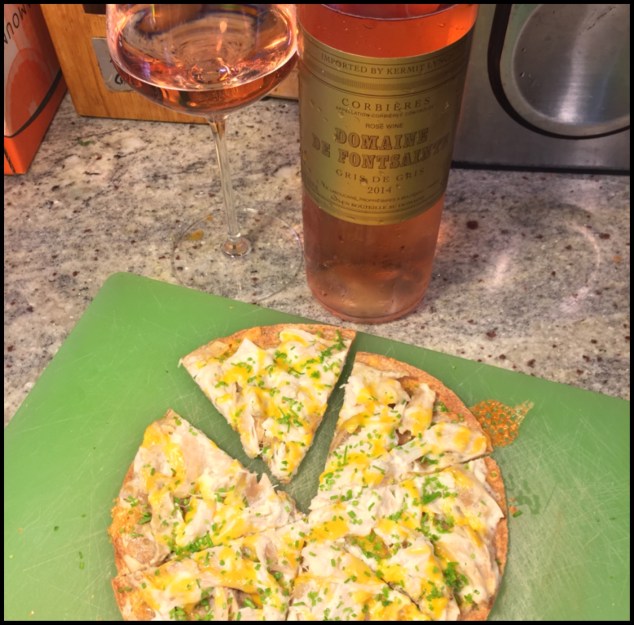
To knock out a killer Brazilian-themed dish the week of my wedding, I decided to make a quickie cast-iron pizza using ingredients sourced from a gem of a shop selling all things Brazilian cuisine. Using shredded roasted chicken, requeijão and heart of palm, I constructed a delicious tortilla pizza, which was then paired with Provençal rosé that was to be served at my wedding two days later. The picture parade to follow will have just a brief overview the details of each step involved.

IMG_1786 (1)

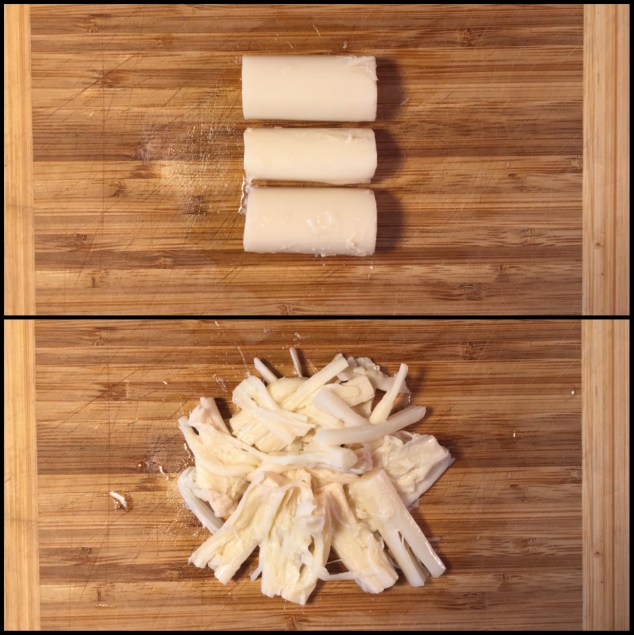
Requeijāo cheese is a gooey, mild cheese adored in Brazil with many uses. Heart of Palm seem to have a fanciness to them I don’t yet quite understand. Working with both is a treat since I really don’t know what I’m doing even a little bit.

IMG_1788 (1)

The heart of palm seems to break apart in a rather satisfying way. The goal here is to blend it alongside the pulled chicken for a streamless sense of texture.

IMG_1791 (1)

With chicken and heart of palm combined, a little cheese is added and the whole is mixed for consistency.

IMG_1787 (1)

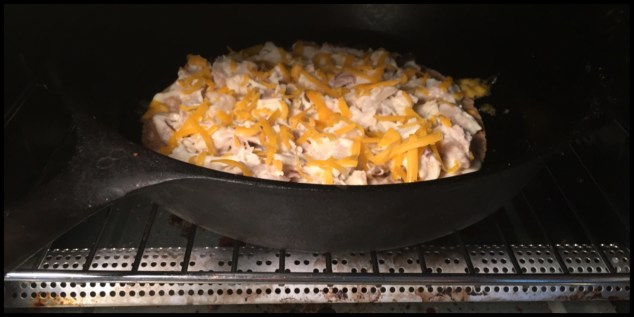
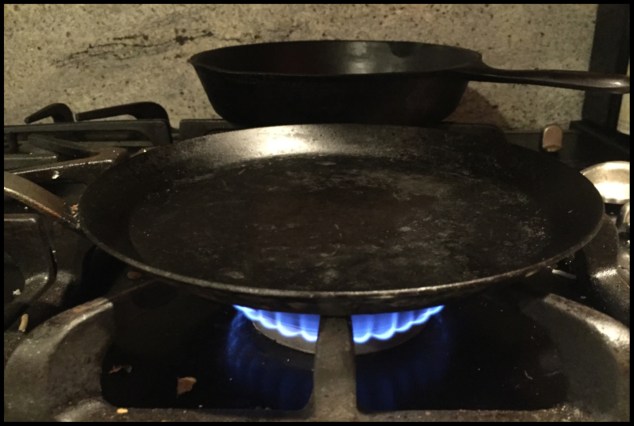
The tortilla is placed over a well-warmed skillet and topped immediately: first with a coating of requeijāo cheese, then the bulk of the payload, then a sprinkle of cheddar.

IMG_1792 (1)

Once dressed, the skillet is taken off the heat and placed in a pre-warmed toaster oven of 400 degrees F.

IMG_1793 (1)

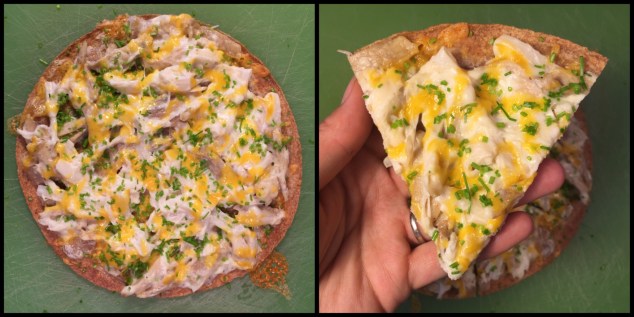
For funsies (and tasty green notes), fresh chives are chopped for the final plating.

IMG_1795 (1)

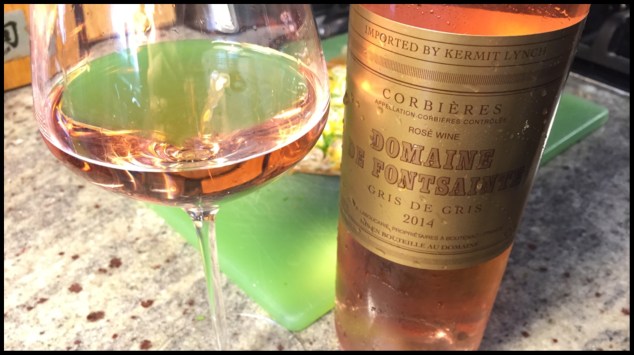
Meanwhile, rosé is popped to accompany such a quick, light meal.

IMG_1794 (1)

Mmmm.

IMG_1797 (1)

There’s no other way to be.

Week 9: From A Can – White Clam Pizza with a can of rosé

For this next challenge, “From a can,” I decided not to indulge in my favorite pizza standard of artichoke red pie, despite the use of both canned tomatoes and artichokes. Instead, I took on a pizza that I had never dreamt of making: white clam pizza. URBN Coal Fire Pizza/Bar in North Park, San Diego boasts a New Haven-style, thus features a classic clam pie. It’s the perfect pizza to order for lunch on a Sunday with a glass of Provence rosé.

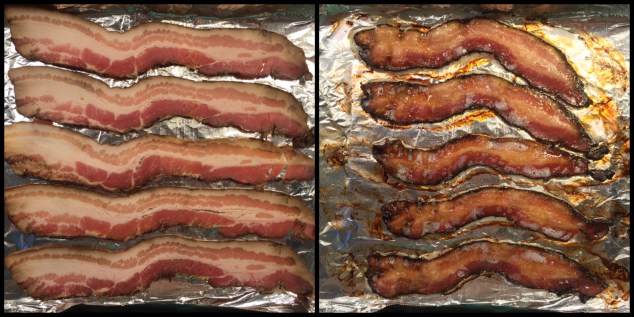
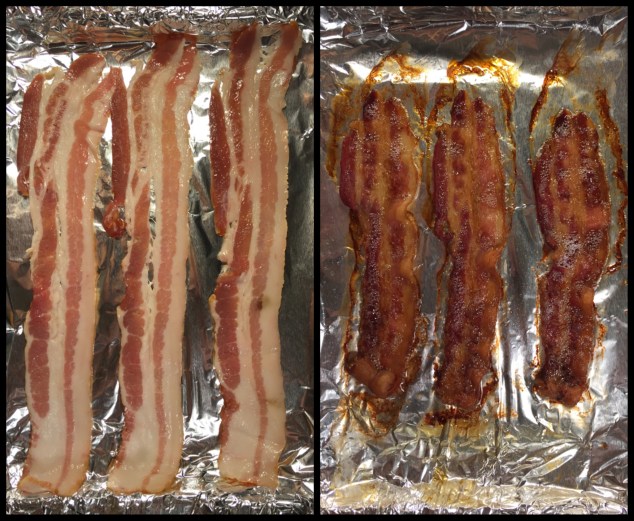
I generally operate under a zero-seafood-from-a-can policy when I cook so I’ve decided to slap on some bacon for a bit of flavor insurance.

JPEG image-816B75937432-1

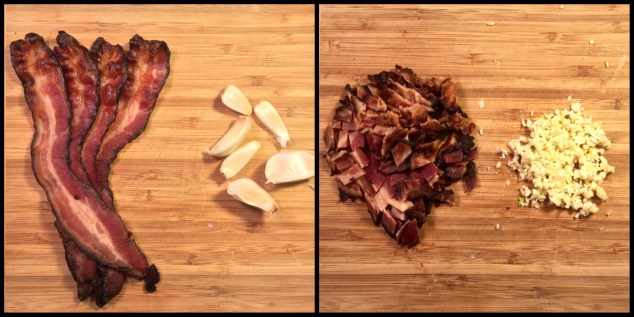
Bacon offers unity between land and sea and, for those iffy about clams on a pizza, it can become the focal point of the experience.

JPEG image-788B180C7962-1

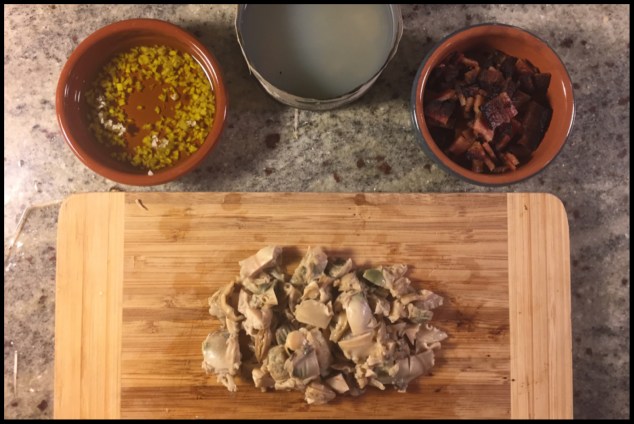
Garlic is the perfect aromatic to go alongside seafood so an abundance is used to coat the base.

JPEG image-F5E626A4E1E7-1

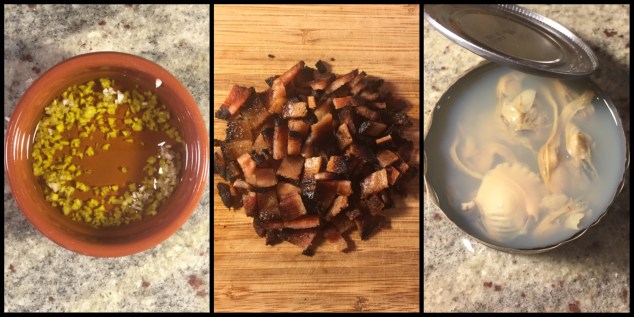
Classically, fresh littleneck clams are used but since freshness is already being shunned for the sake of this challenge, the clam of choice is not a point of concern.

JPEG image-8600C3F43778-1

Ignoring how closely these clams resemble ID4 aliens sealed in an Area-51 tube once unveiled, these clams need to be coarsely chopped with the juice reserved for extra flavoring.

JPEG image-C3C0657DB819-1

Once outside of their murky clam juice home, these puppies look ready to hop on a pizza and snuggle up alongside some bacon.

JPEG image-DE0916D54A3D-1

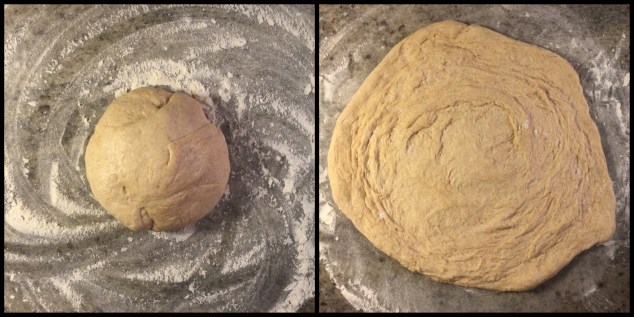
The dough used is a 3:1 bread and whole wheat flour, which was rolled out as thinly as possible while the oven climbed up to a maxed out 550°F. When freshly made, this dough can insert a subtle yeasty sweetness in the pizza’s overall flavor.

JPEG image-E2303CD4082B-1

Using olive oil & garlic as the sauce, mozzarella provided a base of cheese and the protein followed with parmesan grated overtop. Most importantly, a couple spoonfuls of clam juice were sprinkled over evenly before popping this bad larry into the oven for 7-10 minutes.

JPEG image-CD07B18C5A9D-1

In keeping with theme, a can of Alloy Wine Works – Grenache rosé, Central Coast, California was the pairing of choice, harking back to my URBN clam pizza & rosé days. With underripe raspberry and white strawberry notes balanced by the hint of actual sweetness in the wine, this wine tasted like the can’s own promising of sour patch kids. The inherent saltiness of the pizza even further emphasized the fruit of this rosé but it was the wine’s waxy texture and fuller body that helped manage bursts of smoky bacon.

JPEG image-5BAED5A0789D-1

The briny flavors were well integrated with the garlic and bright, tangy parmesan with the occasional bite of sea water surprise that is likely inevitable with a dish like this. The pizza kept pillowy texture that stayed moist and fresh thanks to the addition of the clam juice on top, without which this pizza would be lost.

JPEG image-06A582C1A983-1

Nailed it.


Week 4 – Brunch: hash brown breakfast pizza

At the dawn of this week’s challenge, it was clear a simple breakfast pizza, softball it may be, would be all too straightforward. With three-pounds of homemade hash browns squirreled away in the freezer for any and all breakfast burrito needs, I knew I could tap this stockpile for the base of this next project. This particular batch of hash browns was made with particular care in an effort to perfect this brunch-time afterthought. I did okay. The thawed hash browns were still soggy with moisture I had failed to wring out of them. Luckily, it wasn’t too late to correct this problem with a minor squeeze session over the sink. When it came time to cook, I could only hope my efforts would provide a crispy enough base that could be spread thin while also supporting the extra weight of toppings.

Hash Brown Breakfast Pizza

To begin, preheat the oven to 350°F and toss in a couple pieces of bacon until crispy (approximately 12-15 minutes). Oven-cooked bacon is one of the many life hacks that has so many benefits it should have its own brochure. Not only does it provides complete control for even cooking, it also frees up the stovetop, makes clean up easy and keeps those damned grease pops safely tucked away.

JPEG image-3D896F2E110E-1

Meanwhile, the bacon fat rendered can be used in cooking the goodies up top.

JPEG image-B7737871C2B8-1

Just as with latkes and fritters, a binding agent is needed for the hash browns to hold its shape, which in this case is the shape of pizza dough. One medium egg is scrambled and tossed with the potatoes, plus some chopped yellow onions and chives for some pizzazz.

JPEG image-51EEAD4D7DAA-1

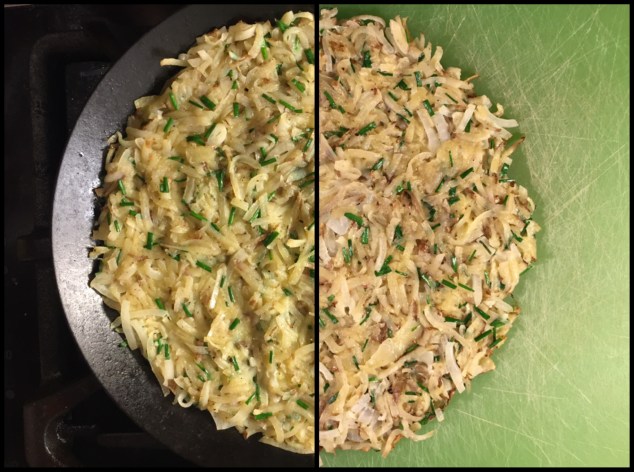
The mixture is spread into an oiled steel crepe pan over medium heat, evenly spread out and smushed into the natural circular shape of the pan. Once set in place, the potatoes are not to be fussed over until the bottom begins to crisp up (approximately 3-4 minutes).

JPEG image-B2B8BF1F2129-1

The trouble now is the flip, which is why the crepe pan is preferred for its mildly-sloped edges. Using a spatula, loosen the hash browns from the pan all around so that it can easily slide off onto a cutting board, cooked side down. Having very lightly coated the pan in oil again, flip the pan upside-down over the potato disc and then quickly flip the cutting board over to place the potatoes cooked-side up in the pan. Cook over medium heat while placing on toppings of cheese and bacon.

JPEG image-410BF512E637-1

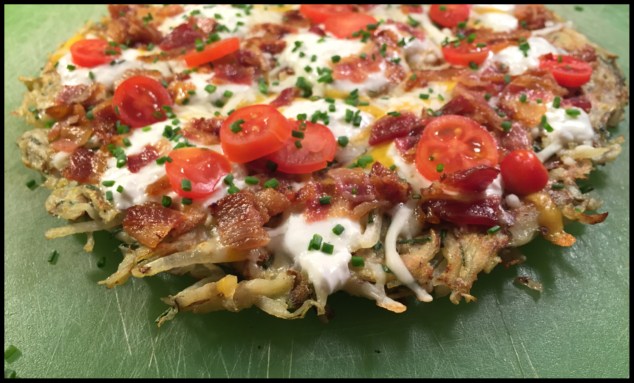
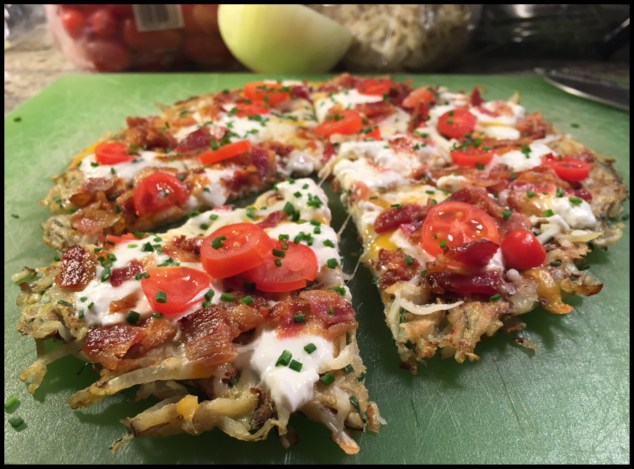
Place the crepe pan, again crucial for its metalware, into the oven to melt the cheese fully. To secure this pizza in the breakfast realm, an egg can be cracked over top and cooked until soft at this time. After pulling the pizza from the oven, the spatula is once more utilized to carefully move the pizza onto a cutting board. More toppings of tomato and finely chopped chives are added just before serving to keep their delicate textures intact.


JPEG image-61388EF4C775-1

The pizza is pretty outstanding. The mix of cheeses (cheddar, monterey jack, mozzarella and cottage cheese) provides a medley of textures ranging from chewy to creamy. The gently-cooked onions offer a layer of extra flavor in each bite, the tomatoes pop with a subtle juiciness and the bountiful heaps of bacon on top and bacon fat throughout do not go unappreciated.

JPEG image-56330DAED5A7-1

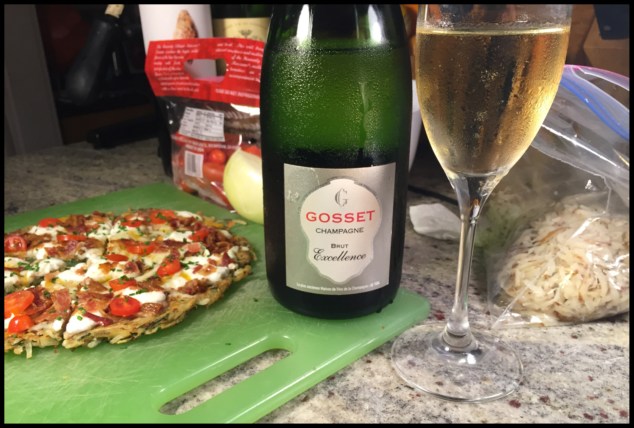
As for wine, what better way to preserve the traditions of brunch than to pair this pizza with Champagne. All the grease and cream and fat of brunch dishes can easily be whisked away by refreshing bubbles and crisp acidity while more delicate mainstays like eggs are heightened by an equally light wine.

JPEG image-A48F418C12ED-1

Gosset – “Excellence,” Brut, Champagne, NV, the entry-level offering of the house, is the most complexity needed when brunching. There are hints of limestone and toasty brioche in the glass, and while there is a muskiness in the wine that mirrors the earthy elements in the pizza, the aromas do not inspire much reflection. It’s thoroughly enjoyable without the pressure of having to talk tablemates out of adding a splash of orange juice.

For those who indulge in this brunchtime combo, consider keeping sour cream close by for a truly hedonistic experience.

Berkeley Pizza & the Rhône Valley

In a Chicago pizza joint last year, I joined four hungry locals in ordering a pizza from Lou Malnati’s, a classic Chicago chain. A deep-dish novice, I sat quietly outraged at what I thought was a rather prudish order of a single pie. At most, we could evenly divide the pizza into a slice and a fraction of another. It was only until halfway into my first slice that I had finally realized what everyone else at the table had grown up knowing: Chicago pizza is a beast.

A lifetime of thin-crust preferences has led me to demolish slice after slice without thought, taking down minimally half a pizza order, depending on size. To have a starvation-level hunger smacked down by a single slice felt like an embarrassment. A couple of us made idealistic moves towards a second slice but despite our efforts we still walked away with leftovers.

Deep-dish pie looks more like actual pie than the flatbread pizza of the rest of the world. Toppings are layered upside-down with a chunky tomato sauce keeping quiet the secrets of what lies below. Chicago-style pizza is all but overlooked in San Diego, but the spirit lives on strong in the few places that do champion the style.

Berkeley Pizza is an oasis from the soulless clumping of restaurants and bars tourists so lovingly refer to as the Gaslamp District. They bait the hot mess of drunk fools and hoards of clubbers roaming the streets with a chill vibe, respectable lineup of beers, late hours, and pizza by the slice. Berkeley Pizza has recently cast a net in North Park, a fresh pond of drunk fools, with a new location posted up between Coin-Op Game Room and The Office. It was from here I ordered a couple slices, a classic pepperoni and their signature combo of spinach & mushroom, to be whisked home between two paper plates for a pairing.

berkeley pizza slices

Such a rich and robust pizza requires a rich and robust wine to match. Acidity is also important so to the Old World we go, specifically the Rhône Valley in southern France. Once a papal summer palace, Châteauneuf-du-Pape is a Southern Rhône region that produces red wines made from a blend of up to 13 different varietals, with Grenache at its core.

Châteauneuf-du-Pape is one of Robert Parker’s favorite styles of wine, which he prizes for its immediate parade of “intellectual and hedonistic elements” that generally takes great age-worthy wines decades to develop. Robert Parker reflects this same attitude in many of the wines chosen for high scores on his 100-point scale, providing consumers looking for those ripe and approachable styles a shortcut in research. While I dabble in the other end of the stylistic spectrum these days, I began my love of wine with juicy, sun-humped wines of the New World and moved away only to explore other styles for education purposes. Though I never returned, I can always enjoy a plumped up red, hedonistic and generous with fruit.

Hedonistic is right. The 2012 Domaine de Saint Siffrein (Châteauneuf-du-Pape) opens up hot and lush with stewed berry aromas of raspberry and blackberry pie on a backdrop of matted earth and dried leather. With just enough acidity to balance the wine’s weighty presence, the Châteauneuf-du-Pape is bold enough to handle the monster punch of flavor divvied out in each bite. Meanwhile, the tomato sauce is alive, racy with acidity, fighting an internal battle with globs of cheese and thick, buttery crust threatening to overwhelm the senses. Shockingly, the crust is sturdy enough handle the lasagna of weight above and all can be managed without a fork and knife. And thank the pizza gods for that, lest we disappoint Jon Stewart.
forkgateWith all toppings drenched beyond recognition with pizza sauce and cheese, there is almost no perceptible difference between the two different slices except for the intense animal charisma and lingering spice brought on by the pepperoni. The spiciness, while subtle, doesn’t bode well for the Châteauneuf-du-Pape as perception of alcohol, considerably elevated for an Old World wine, is exacerbated by spiciness in food. In the wake of this realization, I reach for a different bottle of the same region in France to play nice with the pepperoni slice.

St. Joseph

In the neighboring Northern Rhône, red wines showcase Syrah almost exclusively, where the varietal displays aromas of cured meats, olives and leather with black pepper and a medley of dark berries. The comparatively cooler climate of these northern vineyards offers up a bit more acidity to their fruit, and allows for leaner alcohol levels in wine while keeping a firm and powerful frame. Some of the most classic representations of Syrah come from small regions such as Cornas and Hermitage. Though variable in quality as the largest appellation of Northern Rhône, St. Joseph is stylistically similar at a fraction of the cost. The nose on the 2012 Domaine Vincent Paris (St. Joseph, les Côtes) is rich with a sense of copper and rust with raspberries on the palate. The leaner alcohol and higher acidity allow the meat and pepper aromas to play amongst its flavor companions in each bite.

The story ends happily, with the signature pie finding a dance partner with the Châteauneuf-du-Pape while the pepperoni slice took the spotlight with St. Joseph pulling off coordinated dance moves too good not to have been choreographed ahead of time.

she's all that

the Haven’s Popeye pie & Provençal rosé

Within a quiet stretch of blocks on the Kensington side of Adams Avenue sits an airy neighborhood pizza joint called The Haven. Of the selection of specialty pies featured, a small circular feast named Popeye catches my eye and the recommendation of the employee that day. The white pizza boasts an irresistible lineup of roasted garlic topped with chicken, mushrooms, fresh spinach, mozzarella and goat cheese. Squiggly lines of sweet aromas radiate from the pizza box as a combination of baking spices and roasted garlic creep into the nostalgic territories of my senses and stir up some hunger.

The swaths of garlic, caramelized into a candied sweetness, is a welcomed fiesta instead of an intrusion on my palate. With a salty, almost briny quality to the pie, there is no want for extra cheese. Overlaying the medium-thin chewy crust, chunks of chicken and fleshy mushrooms make up the bulk of textural layout.

Chicken may at first seem to play an integral role in any dish when in actuality the protein generally bows to any sauce or strong flavor present, the same way a neutral grape varietal such as Chardonnay can showcase terroir or a winemaker’s influence with clarity. The mix of aromatic and vegetal pizza aromas allows for a dry rosé to swoop in and play hero. Our hero today is a Provence rosé, 2013 Commanderie de la Bargemone of the appellation Coteaux d’Aix en Provence.

the haven set 3

Provence is a region in southern France dedicated to dry styles of rosé that will quickly win over any drinker’s taste buds when paired with light cuisine or a sunny day. Don’t let those pretty hues fool you: not all rosés are sweet. Not even slightly sweet. Most styles of rosé found in the wild are dry, especially when taking on a global perspective beyond the grocery aisle. Fruity aromas in wine tend to distract from sweetness level, making it easy to confuse the ripeness of fruit detected on the palate for the sugar level of the actual juice in the glass. Similar they may seem, only the latter is referring to actual sweetness as opposed to the perception of sweeter flavors.

This particular rosé is pretty close to bone dry, keeping fairly intense notes of tart strawberries and floral rosy aromas. Provençal rosé is especially refreshing when chilled down to refrigerator temperature, a low preferable for simple and crisp beverages. The rosé beside the pizza’s earthy aromas and boisterous, tangy flavors make for an uncomplicated yet all-encompassing pairing. Come salad or ham sandwich, carpaccio or root vegetable, rosé is generally well equipped to wrangle a range of flavors into a composed pairing. It is best to keep it stocked at all times. Always.

Mona Lisa & Vouvray

Mona Lisa is an Italian market, deli and restaurant prized for keeping harder-to-find goods like white anchovies, fresh pasta, and Italian amari. Having contemplated the deli-section artichokes with hungry eyes, I opted for Pizza Bianca, a white spinach pie, with the addition of artichokes. Expectations for a delicate, light pizza were shattered upon its arrival.

mona lisa collage

An entire atmosphere of mozzarella with puffy clouds of ricotta engulf the toppings below making this pie look intimidatingly rich compared to original expectations. Surprisingly, the crust maintained a thin and crispy base with a doughy upper layer that unified well with the pillowy topography above. Each bite was like a lunar exploration, never quite knowing what might be unearthed from within the rocky cheesescape.

When given the task of pizza topping, artichokes offer some tangy relief that regulates super cheesy situations. As the main representative of spring on the classic Four Seasons pizza, artichokes have a long-standing relationship with Italy, where its cultivation is the highest worldwide. Even still, artichokes are notoriously frustrating to pair with wines, requiring a tart, acid-driven white wine to offset the organic acid known as cynarine that makes everything taste sweeter. With a geeky weakness for acidic, mineral driven whites, I plucked a bottle of Vouvray to pair, no problem.

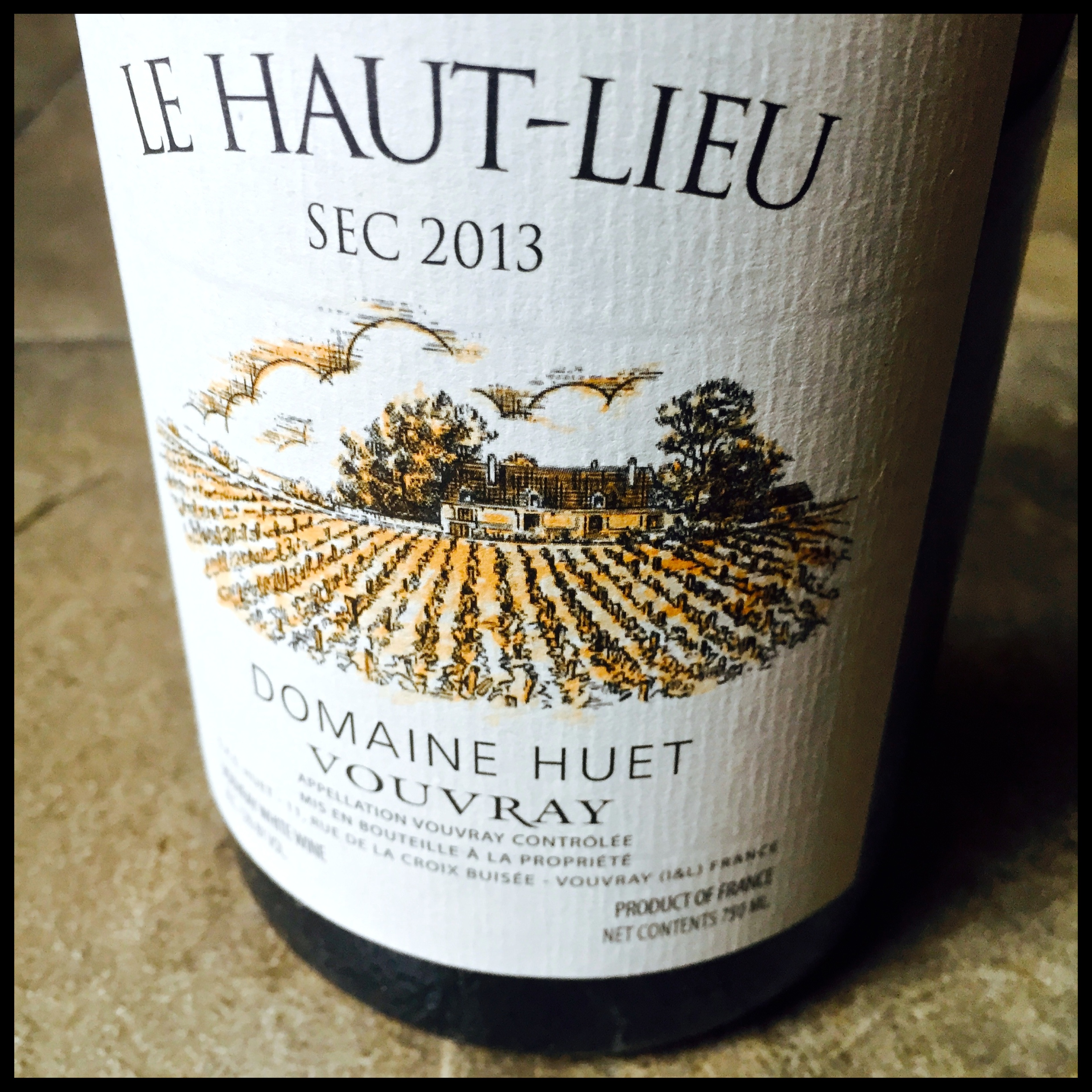
domaine huet

Vouvray is a French wine region of the Loire Valley producing medium-bodied whites made entirely of Chenin Blanc. The style rewards in its complexity, displaying a wide range of aromas spanning from quince to cheese rind, wet wool to chamomile. 2013 Domaine Huet Vouvray Le Haut-Lieu Sec is youthful and dry with notes of citrus peel, wet asphalt and bruised yellow apples. For a pizza burly with cheese, Vouvray offers a vibrant backbone to the experience, refreshing enough for intensely creamy bites and dry enough to stand up to the sweetening effects of the artichokes. Vouvray has long been my number one homie, but now we’re officially pizza homies.

Pizzeria Luigi & Temecula Zinfandel

Let’s begin the great 2015 San Diego pizza adventure with the basics: pepperoni pizza from Pizzeria Luigi, a no-fuss pizzeria often listed by locals as a favorite, paired with 2009 Reserve Primitivo from Wiens Cellars of nearby Temecula Valley. The bottle was a gift from a fellow sommelier with the sole stipulation that it could only be opened with pizza by its side. So be it.

altogether luigi and weins

Though its origins have been genetically tracked back to Croatia, Primitivo is the Italian name for the varietal we know better as Zinfandel. With this nominal borrowing, it’s not surprising to find some stylistic leanings towards the more acid-driven wines of Italy. Acid in wine is a great accompaniment to most food, especially foods high in acid themselves like tomato-based cuisine. The acidity in this Primitivo is balanced enough to stand up to hearty pizza sauce while the tannins, textured and dusty, are a perfect complement to rich cheese. Though somewhat leaner than the ass-kicking abv levels of 16% found elsewhere in California, this Zinfandel is thoroughly New World in style, driven by ripe fruit aromas and a full body. The generous heaps of dark raspberry and blackberry fruit provide a lovely, uncomplicated counterpart to every saucy bite of pizza.

It’s easy to get smitten over an abundance of sauce on a pizza, especially thin-crust, since it’s so rare to find naturally in the wild. The chewy crust holds up well under the weight of the bright, herbaceous tomato sauce so generously spread on while the pepperoni slices supply a faint but distinct spiciness. Any lengthy focus on minute details beyond this would only take away from the experience. Like the wine, this pie isn’t built for complexity. Pizzeria Luigi supplies straightforward New York style pizza relying on classic flavors without being overly complicated, which is perfect for an indulgent night of Parks & Rec in sweatpants.

2015 pizza project: San Diego pizza-a-week extravaganza

Happy new year, pizza kittens. 2014 was a dreamboat wonderland of good food and drink, but let’s make 2015 extra special by exploring the great sea of pizza that keeps San Diego afloat. Each week, I will venture out to a different pizza joint, select a pie according to whimsy and spank on some extra classiness with a wine pairing. All of these cheesy feasts will be featured each Sunday here on pizzasomm.com, though don’t be surprised to find sneak peeks on my twitter or instagram.

countdown to pizza

Keep in mind that not all places that serve pizza will make it into these Sunday explorations, nor is this a hunt for the best all-time San Diego pizza. This is simply an indulgent scheme designed around what I do best: eating pizza, drinking wine and then meowing about it here for all other pizza kittens.

Caffè Calabria and the DOC(G)s

Caffè Calabria, a coffee shop down the street, serves what may arguably be the best brew in town. With plenty of competition nearby, we keep fairly loyal to their coffee offerings. Meanwhile, a friend shackled to an 8-year veterinary program in Sacramento has their beans shipped north to resupply her kitchen, refusing to buy from anywhere closer. Now that’s fucking loyalty.

A two-trick pony, Calabria is also locally revered for their Neapolitan-style pizza. Normally, the gravitational pull of good pizza is strong enough to overcome temporal and spatial obstacles, but the siren call of scrumptious, everyday late-night, undemanding pizza of URBN always sounds when I enter North Park (full disclosure: dating the head bartender and I swear it’s not for the pizza). It took a post-marathon splurge fest for Calabria to finally get a chance to show off its chops.
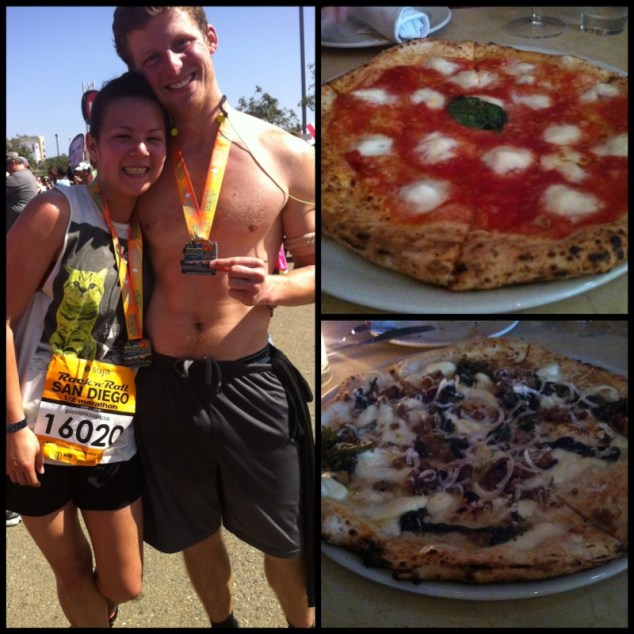
treat-yo-self 2014
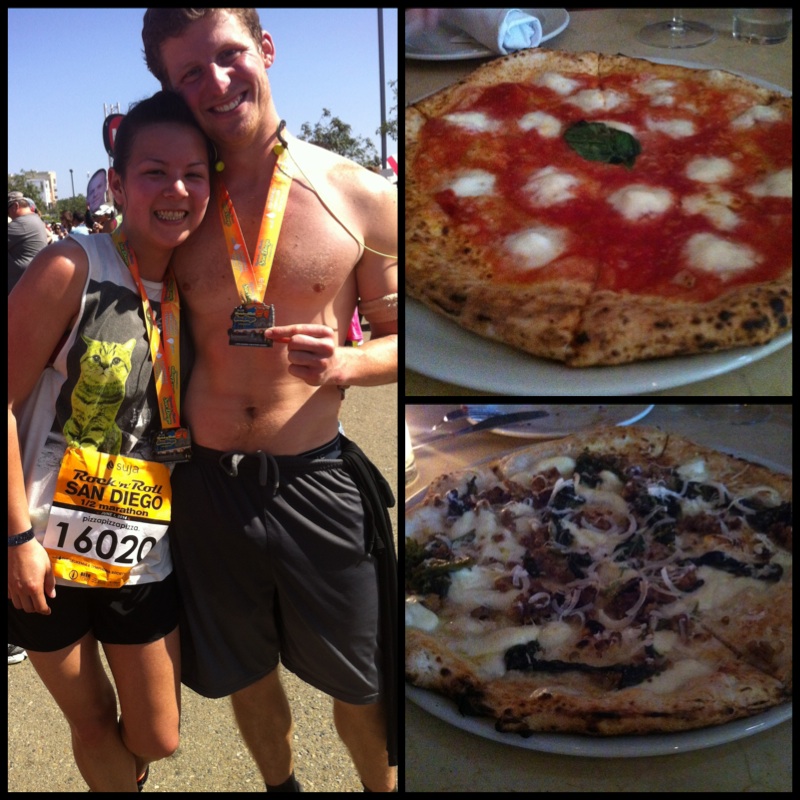
After finishing a half-marathon, a bottle of Dom, a nap and a couple margaritas, the persisting treat-yo-self mentality drove us right through the doors of Caffè Calabria during operational oven hours (the woefully selective range of Wednesday-Sunday, 5-11pm). Unfortunately, dear reader, social gallivanting and the high of accomplishment made note-taking futile. Left blankly satisfied, I wanted for a more attentive go at their Margherita DOC (requiring actual certification for the privilege of the full title) and the Italian-focused wine list.

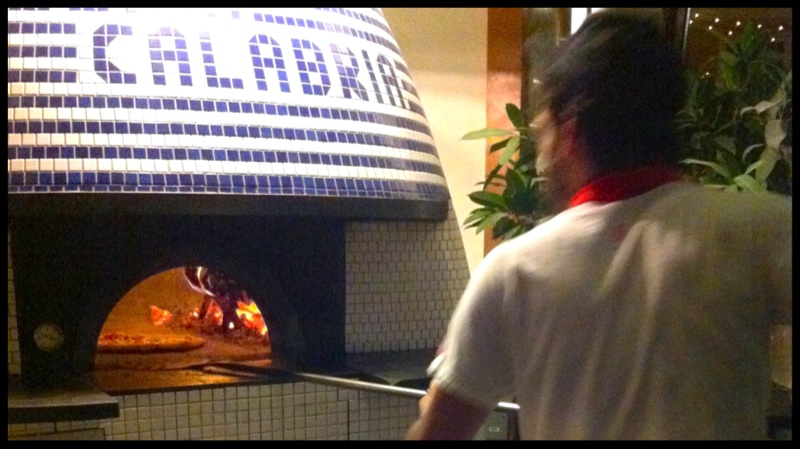
Calabria does what it can to keep true to the Neapolitan style of pizza-making right down to the oven, constructed by third generation oven maker Stefano Ferrara, of Naples, Italy. They have, however, mostly abandoned the fight for the classic fork-and-knife method of pizza noming, automatically slicing each pie on its way out. From the belly of the 700+ degree oven comes thin crust pizza, “wet” with a oozy center. With slicing, some vigilance is required bite to bite to maintain proper topping-support posture, a problem that could be eradicated if only we had evolved as a tool-making species.

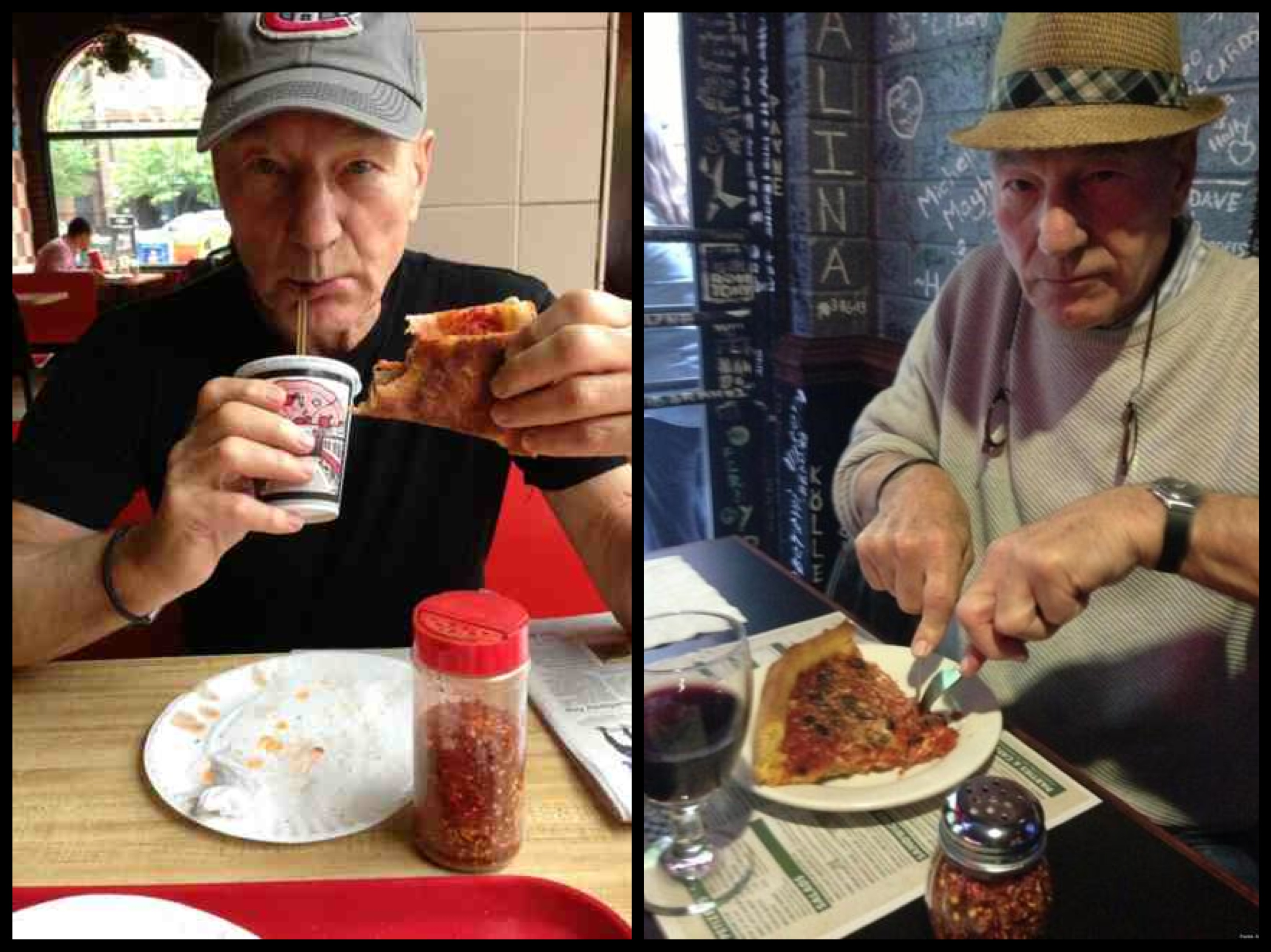
p. stew exemplifying how to eat pizza like a badass, regardless of utensils.

The following visit was a solo venture with choice of pie inspired by a recent wine tasting class on Alto-Adige, the northernmost region of Italy. Close ties with bordering Germany have influenced the wine culture here in intriguing ways. Seemingly ubiquitous, Pinot Grigio takes up little more than 10% of vineyard space while varietals like Schiava, Gewürztraminer & Legrein also count themselves among the most important. The same phenomenon is true of the cuisine. Speck is a fantastic example of these cross-cultural influences, marrying the southern traditions of Italian cured meats, such as prosciutto, with smoked meats of Germany to the north. Piqued by this newfound knowledge, my pizza selection featured speck, complemented by caramelized onions, gorgonzola, and a smattering of basil leaves.
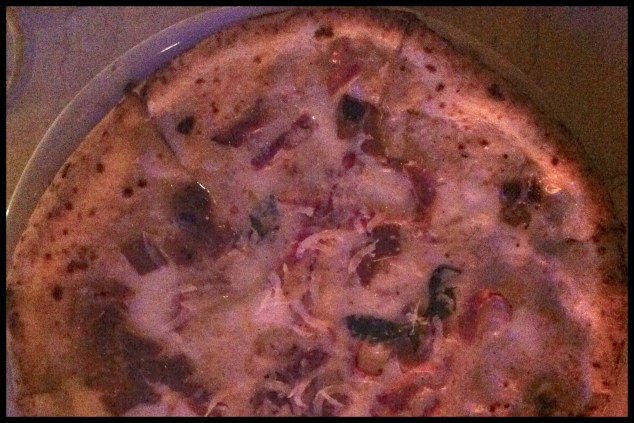
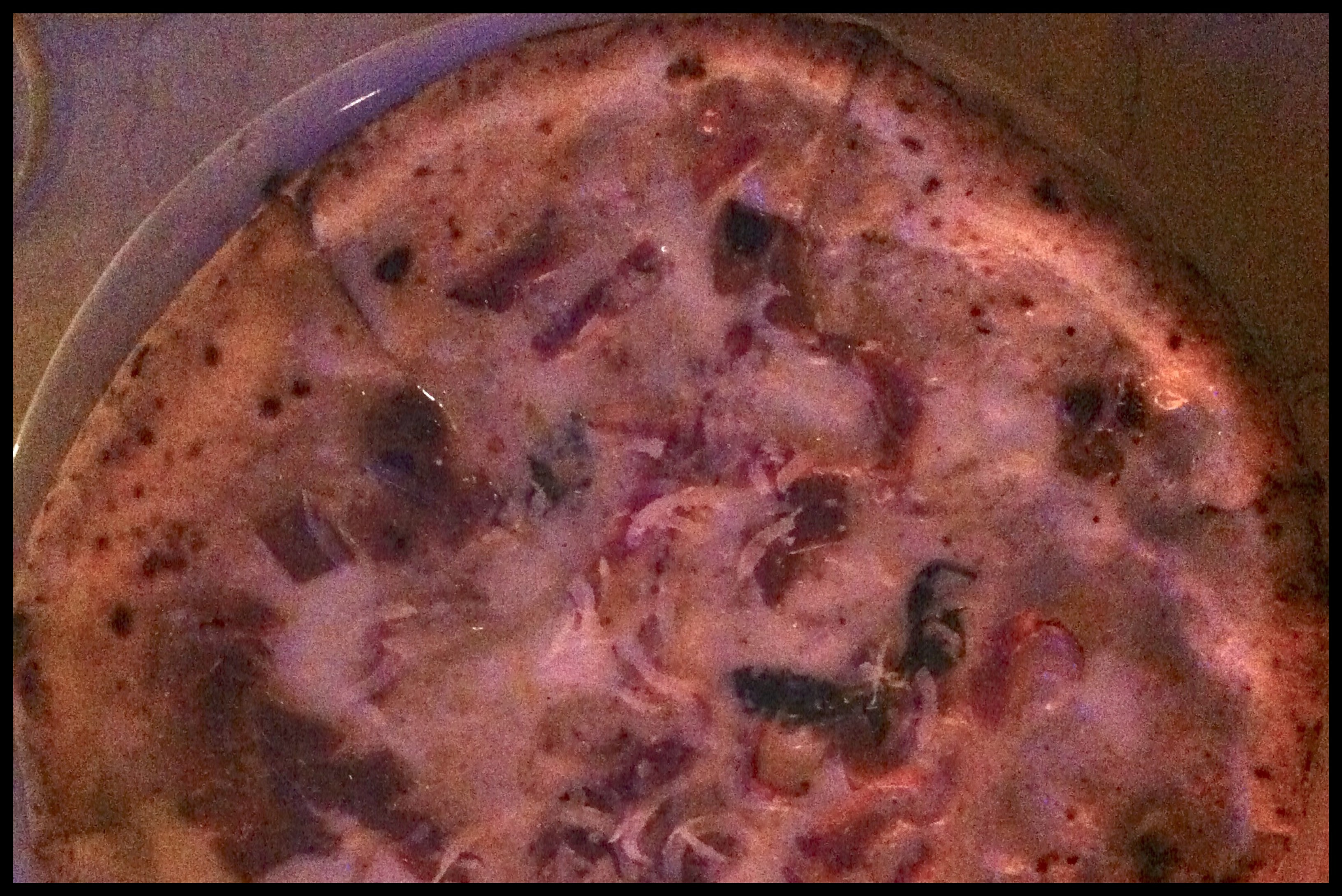
speck, caramelized onions, gorgonzola and basil

Toppings were scattered in such a way that, bite to bite, the chances of revisiting the same flavor profile were dim. Some bites were smoky with speck or sweet with caramelized onion, some charged with gorgonzola and others left vulnerable and dull without a sauce for cheese to cling to. My only gripe was with the mild under-salting, one of those fixable problems, and the scant amount of basil used. The latter is a common peeve of mine that has always left me raw, but I am a practicing adult and can cope.

Without an offering of Alto Adige wine by the glass, I plucked a glass of Frascati (Fontana Candida, Frascati DOC, 2011, $6 BTG), one of many DOCs from the Lazio region in central Italy (think: Rome). By itself, this dry white, consisting of minimally 70% Malvasia, balances aromas of juicy pear, lemon oils and yellow apple with a touch of slate minerality. It maintained crispness without sharp, elbowing acidity, making it pleasant even without the accompaniment of food (a quaffer, as Karen MacNeil would say). The pairing’s most surprising aspect was how the clean and fruity nature of the wine emphasized the smoky elements of the speck and brought out a nutmeg aroma in the sauce.

However successful, the in-house pairing did not made me forget about the Margharita DOC I had only become casually acquainted with before. With a twinge of hunger on a night to myself, I made the necessary phone call and took off into the night to witness its birth firsthand.
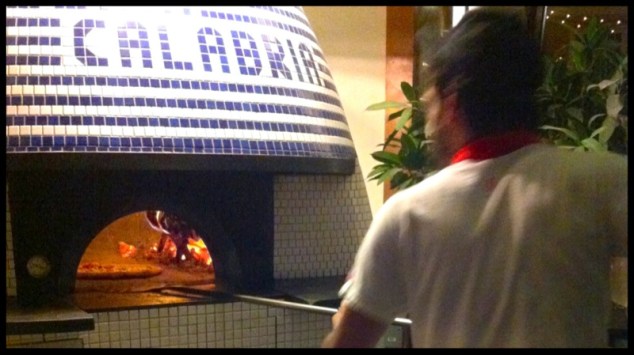
the belly of the beast

Calabria recommends eating their pie hot from the belly of the oven, but the setting, however romantic, isn’t conducive to a pretty picture (specifically with my crap camera phone). Or an off-list wine pairing sans corkage fee. Or an episode of Parks and Rec. Just trust that I drove home like a mad hatter to get this pizza party going.

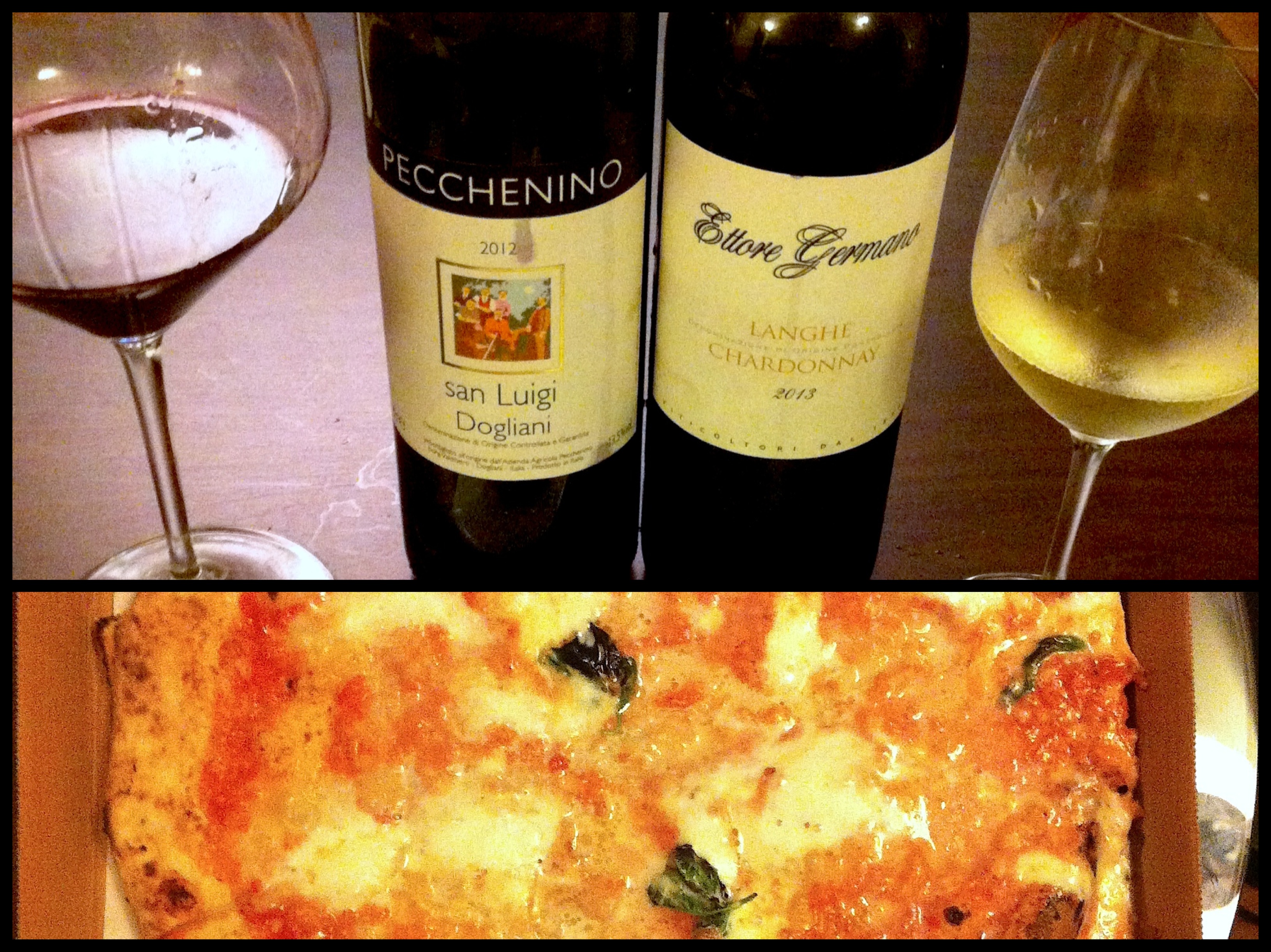
double pairings for faster results!

For a double-punch pairing, two styles of Piedmonte wine sat waiting: a chardonnay from a classic Barolo producer (Ettore Germano, Langhe DOC, 2013, $21) scooped up from Village Vino and a lightly-chilled dolcetto (Pecchenino san Luigi, Dogliani DOCG, 2012, $13) from San Diego Wine Company. The chardonnay offered slight butteriness with a refreshing background of tart lemon and apple. The creamy bufala mozzarella amplified an already richly present wet stone quality. The dolcetto, despite the name (in Italian, “little sweet one”), was dry but deeply aromatic with tart fruit aromas of blackberry, plum and black cherry mixed up with a dry soil component. The plush tannins were emphasized in the presence of pizza, but the heat, ranking 13.5% abv, overwhelmed the quieter toppings. Although the two weren’t completely incompatible, they certainly didn’t make for a memorable pairing. While the chardonnay matched up well, a lighter style of dolcetto may be more suitable, such as with a DOC like d’Alba or d’Asti, where the minimum alcohol requirement is a half percent lower at 11.5%. Taken in a different direction, the charred underbelly of Neapolitan-style crust seems to want for a bolder, zestier wine to match the smokiness, such as a medium-bodied zinfandel (primitivo, even) or Northern Rhone syrah. And thus the adventure continues.

And if you’ve come this far, maybe you’re willing to go a little further.