Week 21: Cheap Meals – $0.77 Cheesy Homemade Tortilla Pizza

For this cheap eats challenge, I expanded on a cheap and easy meal I make on the regular: stove-top tortilla pizza. To push my cooking limitations, I chose to create my own whole wheat tortillas from scratch. Meanwhile, the sauce used was my favorite go-to for mixed media.

IMG_6103

Canned San Marzanos are somewhat expensive comparatively, at $4.69 per 28 oz. can, but they are worth the brightness of flavor. It’s possible to cut costs here.
IMG_6104

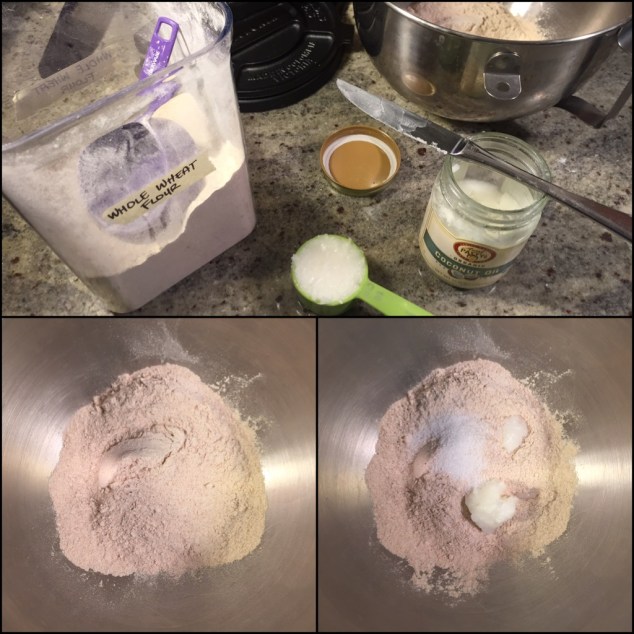
Tortillas require an simple mix of flour, lard and a touch of salt. Coconut oil works as an easy lard substitution. Water is added to the mixer to pull the dough together.

IMG_6105

Two kitchen tools are helpful in tortilla making: a tortilla press and a mixer. Either can be replaced with a bit of extra manual labor but it comes heavily recommended by many sources that these machines are preferred for quality and consistency.
IMG_6106

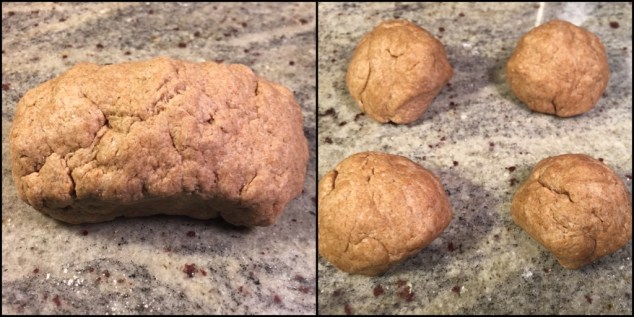
As the dough is being divided and pressed, it is best to store the unused pieces under a damp paper towel to keep from drying out.

IMG_6107

While the tortillas can be rolled out with a pin, a press is capable of achieving an extremely thin crust for cooking. A metal crepe plan is best to not only crisp up the uncooked tortillas, but also to fulfill their destiny as a quickie pizza.

IMG_6108

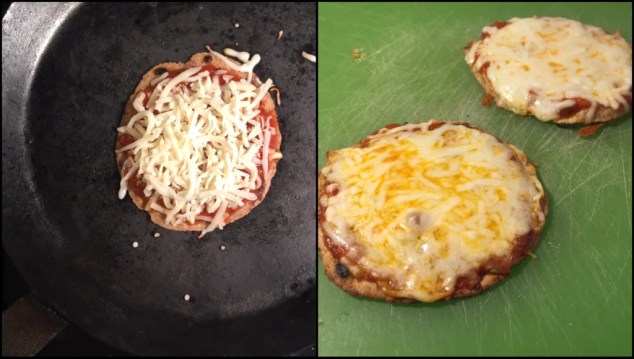
After cooking one side for one or two minutes without oil, the freshly flipped side was topped immediately with sauce and cheese until the bottom was crisped up. The cheese was melted in a pre-heated toaster oven and chopped up for immediate enjoyment.

IMG_6111

Breaking down the cost of all the ingredients, including spice, oils and vinegar used in small quantities, the general cost of a basic tortilla pizza is $0.77. For the hand-held sets, I calculated about half the price for a super budget pizza fix.
IMG_6110

Wine is its own category of budget as its quite a two-fold luxury item. Not only is alcohol arguably superfluous in the age of untainted water supplies, but (good) wine in particular requires some costly attention and resources, all of which can drive prices into ridiculous realms when you consider we’re talking about the exact same amount of liquid per bottle.

IMG_6109

Sicilian wines draw my attention more and more with offerings of cheap and indigenous varietals that can thrill the palate with fruit and complexity. Nero d’Avola is not a favorite style, as notes of rubber can overwhelm the flavor profile, but it is admittedly cheap overall. For $16 a bottle, an Italian red is worth stocking for any unforeseen pizza party.

Week 20: Outdoorsman – Charcoal-Grilled Veggie Pizza

Taking on the camping aspect of this week’s theme, I fought mild waves of self-doubt over how cooking pizza outdoors would actually go. In the kitchen, I rotate through most of the gear enough to anticipate any issues or difficulties. Cooking pizza dough on a naked grill didn’t come as intuitively as cooking a steak, so I tapped a Serious Eats guide for a smack of confidence that the dough wouldn’t just slide through the grates cartoon-like and melt over the coals. And it didn’t.

Preparation turned out to be the most important lesson in this setting. While this grill session took place in my backyard on a mild weekend afternoon, running inside for every forgotten item was pain enough for me to squeeze out a thoughtful camping lesson for reflection. If I truly were camping, I’d be boned nine times before food ever hit the grill.

IMG_5744

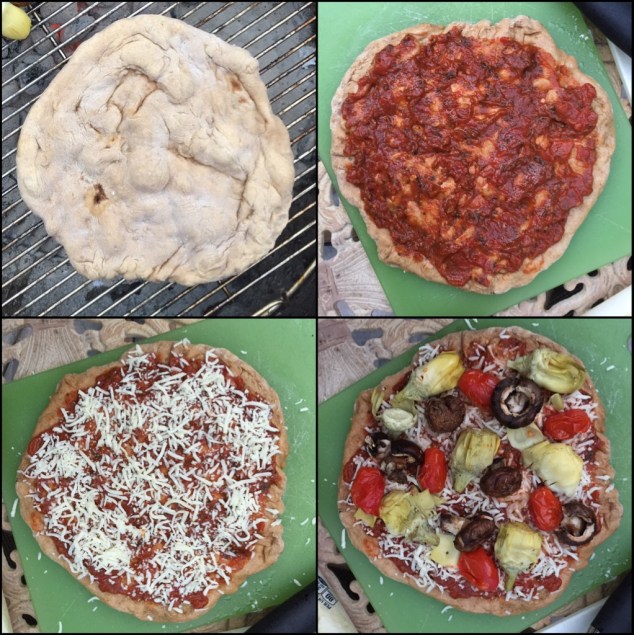
While the coals heated up, I prepped the veggies first, skewering mushrooms, cherry tomatoes and canned artichoke hearts (which were thankfully placed in a pop-top can).

IMG_5746

The dough was patted out in advance, ready to determine the course of this night with how well it faced the grill. To my surprise, the crust was rather easy to manage once it settled in over the heat. It bubbled up and took on a rather rustic look within minutes. Rotation helped to cook portions of both crust and vegetables evenly over the meager amount of coals used.

IMG_5747

With one side of the dough fully cooked, I flipped the crust over for a kiss of heat so that texture wouldn’t be too soft amongst the toppings.

IMG_5748

The sturdiness of the dough was rather fortunate as I gave no thought to the weight of the toppings as they were piled on. It was only during the transfer back to the grill that I realized how heavy the pizza had become, but the crust stayed true to the cause.

JPEG image-1064AC8DCA29-1

With coals pushed to one side, I set the pizza on the other end and tried to capture enough heat under the grill cover to melt the cheese a bit. The results were somewhat lackluster but the flavor remained unaffected.

IMG_5750

With big, juicy toppings to chomp into, this pizza had a glamping charm to it that would only suit a rosé. Something crisp and funky from Corsica to feast with.

IMG_5749

But just as the realities of camping with wine have struck me before, this bottle was corked and completely ruined for enjoyment. So I did as I did last time and grabbed a beer.

IMG_5751

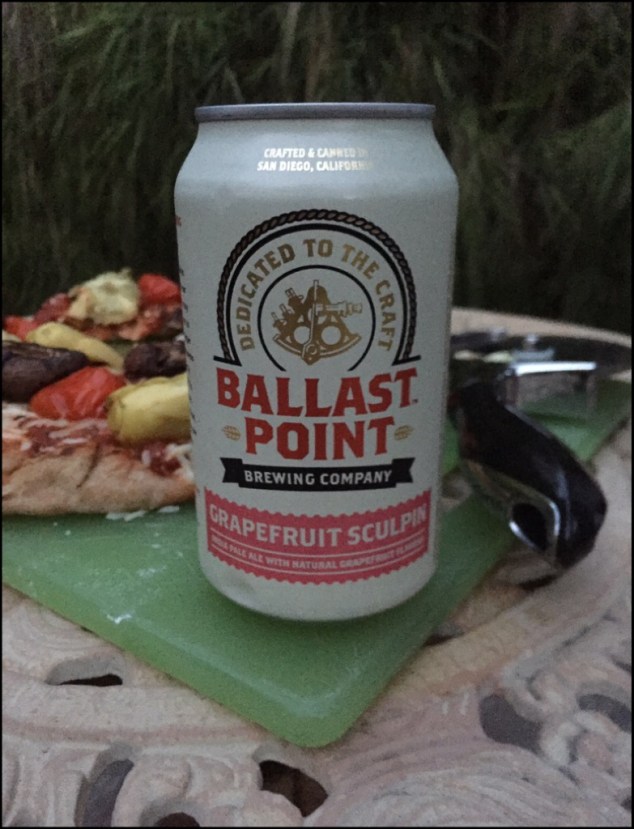
Yes, Ballast Point sold out for a billion dollar check but that doesn’t mean I love this beer any less. It’s refreshing AF and great alongside whatever just came off the grill. Cheers.

Week 19: Mother Sauces – Cheddar Stuffed-Crust Pretzel Pizza

I got a little ambitious for this week’s Mother Sauces challenge (which I’m just now putting together is themed so for Mother’s Day). Making, documenting and incorporating the tomato sauce I regularly make, a batch of which I completed last night for restocking purposes, would be a pretty big yawnfest. Instead, I chose to take the béchamel route and build a pizza around the cheddar sauce so introduced by the designated wikipedia page. What followed was a plot to not only create a pretzel crust to enhance the tasty mustard and cheddar elements, but also to stuff said crust with cheddar. It went pretty alright.

JPEG image-8443CA906CBF-1

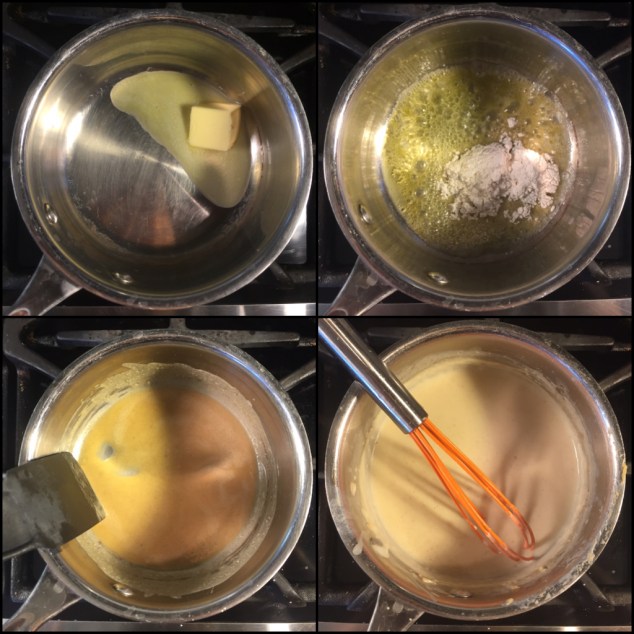
I began with the sauce, first whipping up a basic béchamel sauce to work from.

JPEG image-94B5951F641D-1

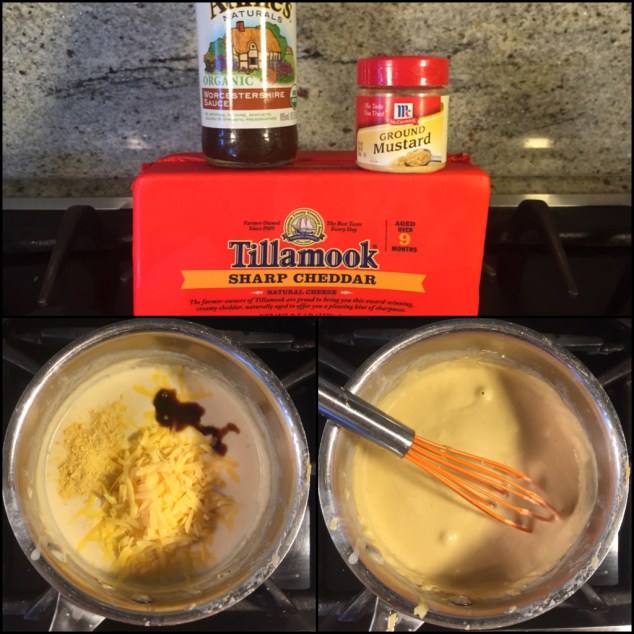
Then dry mustard, cheddar and worcestershire sauce was adding according to whimsy.

JPEG image-EA56114EAA56-1

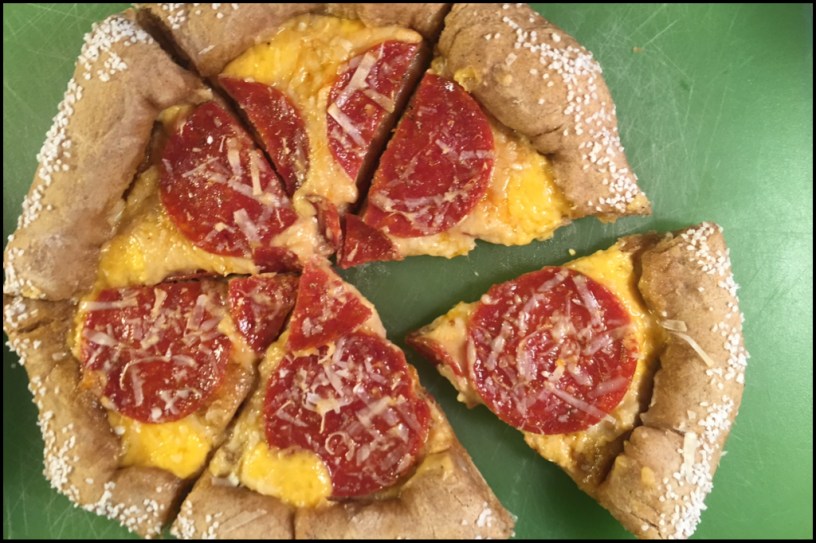
The dough was rolled out and thin slabs of cheddar were wrapped into the crust. Transferring the dough into a pre-heated cast-iron pan without incident proved to be difficult but manageable with the help of a large, flat spatula.

JPEG image-AED364E11392-1

The cheddar sauce was applied liberally as the base with mozzarella and pepperoni to follow on top.

JPEG image-24677F0E4A63-1

A baking soda-boiling water concoction was dabbed onto the crust to earn that familiar pretzel browning from some oven time. Pretzel salt was specifically sourced for this project and the remaining half gallon requires a commitment to future pretzel projects, which I’m okay with.

JPEG image-CACDAA4DD235-1

All this cheesy business requires a wine that can withstand a salty punch to the face. When a dish veers to an extreme savory note, a push towards fruity expression in wine can offer some balance to the palate.

JPEG image-96EC5DEF0C70-1

Torres Alegre – 2005 “Cru Garage” Zinfandel (Valle de Guadalupe, Mexico) is a sun-pampered, incredibly fruit-driven style expressing dried dark berries and overripe plums with hedonistic intensity. Alone, this wine can sit heavy, especially with a lackluster acidity that would normally be a deal-breaker for me personally. Alongside a plate of salty flavors, all is forgiven as the fruit brightens and sings. The same concept can be applied with most any fruit-forward wine and should be.

Week 17: Medieval – Spiced Almond & Pomegranate Cornish Hen Pizza

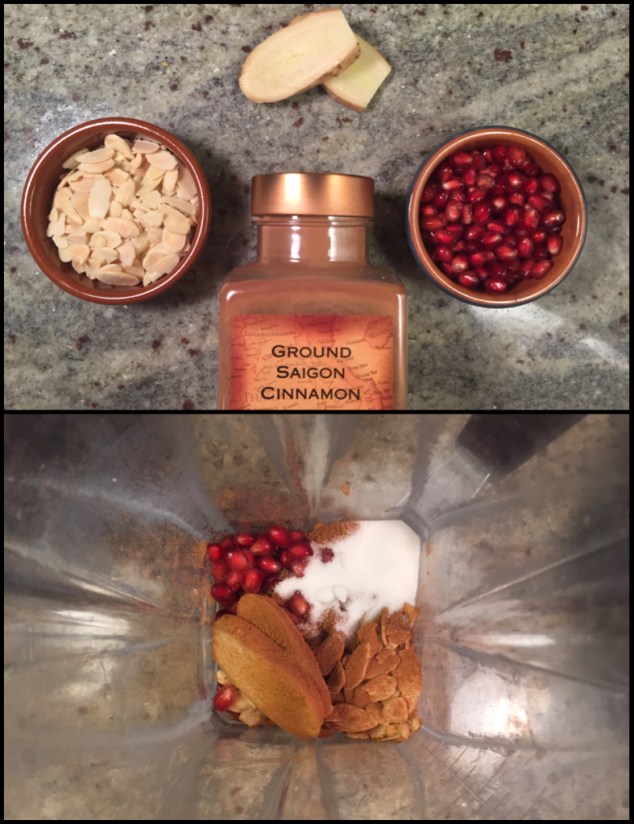
To kick off Season 6 of Game of Thrones, Reddit’s r/52weeksofcooking has called for a medieval style dish to sustain us through the first episode airing tonight. The pizza constructed to fulfill this requirement began with a 16th century sauce recipe designed to go with partridge or hen. The spice-heavy sauce calls for flavors of cinnamon, ginger, pomegranate and white almonds.

JPEG image-E47AD217CD1A-1.jpeg

The ingredients are pummeled into a mildly gritty texture to recall the days without blenders.

JPEG image-E6E2D650DCBB-1

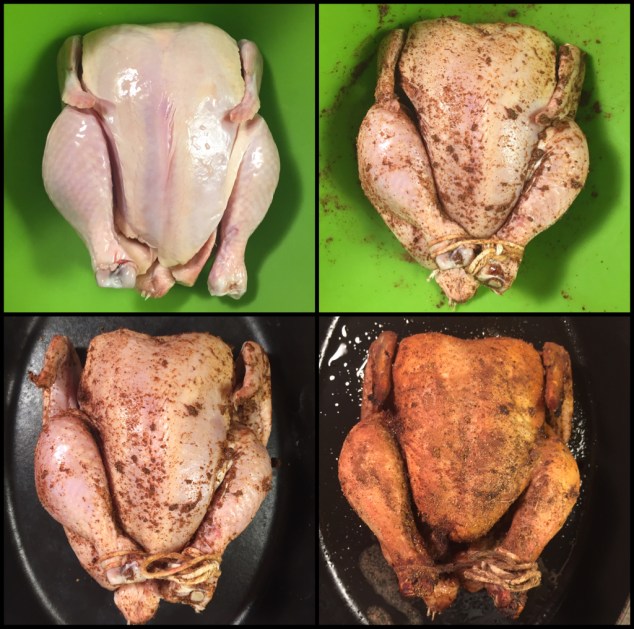
A cornish hen takes the leading role of this pizza. Before roasting, a savory mixture of spices featuring cumin, allspice, paprika and cinnamon is rubbed over the skin for extra flavor. During the cooking and resting period, the crust is prepared.

JPEG image-99B7FFB27652-1

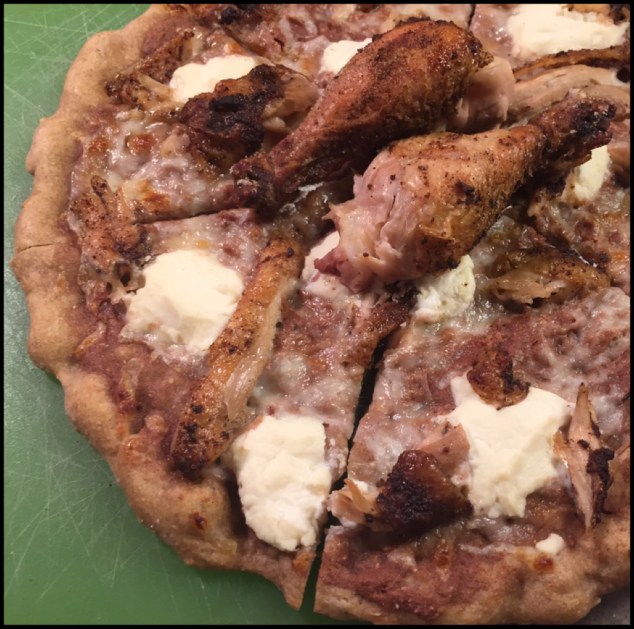
While the sauce does not win any pretty awards, it tastes like wintertime. A flurry of ricotta and mozzarella, both fair game cheeses according to White Oak Historical Society, are added for a bit of extra heartiness.

JPEG image-6F40792A87DE-1

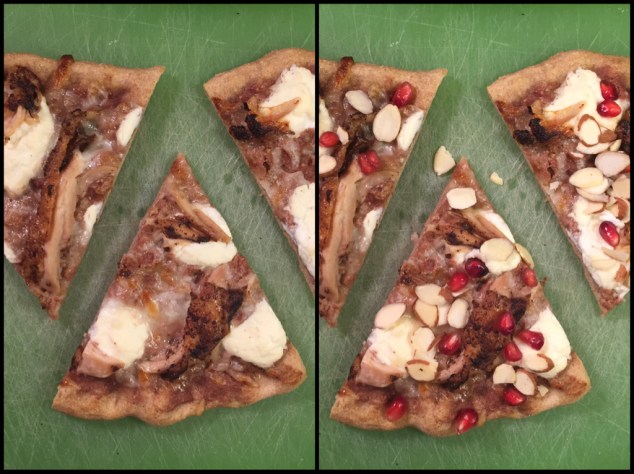
When the hen is done resting, the thighs are sliced and added to the pizza with their crispy skin accompanying. With the meat cooked, the crust is crisped up in an oven of 550°F.

JPEG image-42339E257531-1

The legs are set aside for presentation purposes. This pizza is ready to be spanked on the bottom and sent out to the hungry masses for devouring.


JPEG image-4A9D693D40F3-1

To step these slices up from peasant food to slices fit for noblemen, a quick sprinkle of sliced almonds and pomegranate seeds really jazzes up the presentation.

JPEG image-AB443F6DB93E-1

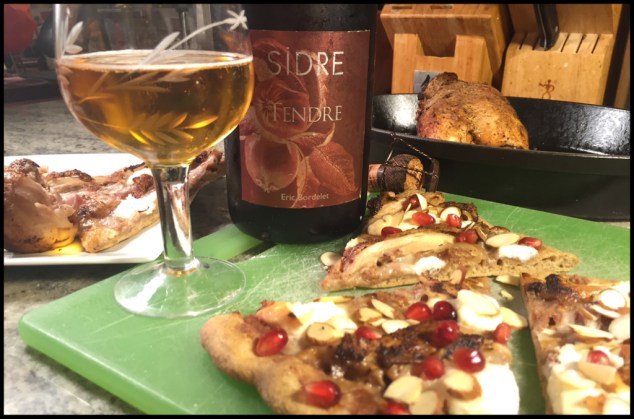
There is no better way to wash down a medieval experience, especially one gushing with cinnamon and spice, than a dainty chalice of cider (Eric Bordelet, Normandy, France), which also happens to make a great drinking game accompaniment at 4% abv.

And since nobody ever seems to find the gifs tucked away in each post:

game of thrones

Week 14: Food in Disguise – Strawberry Jam & Whipped Mascarpone “Margherita Pizza” crepe

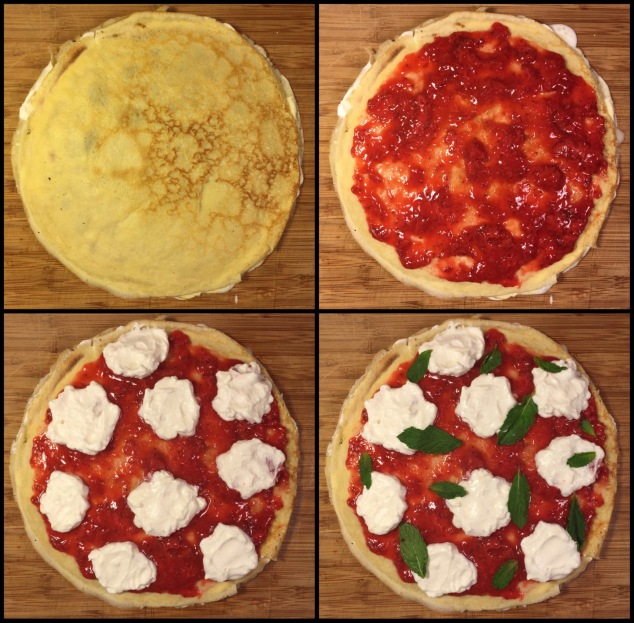
To contribute to the pile of tricks compiled for April Fool’s this week, I created a strawberry jam & mascarpone crepe, which is designed to break hearts by looking like a savory pizza pie.

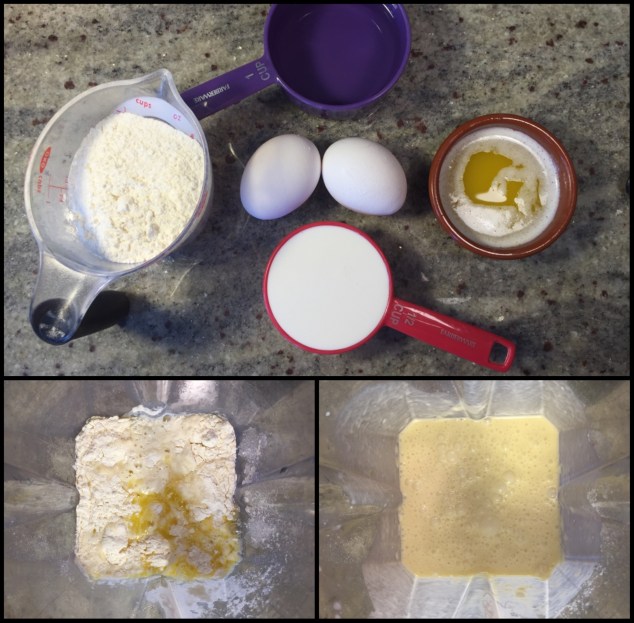
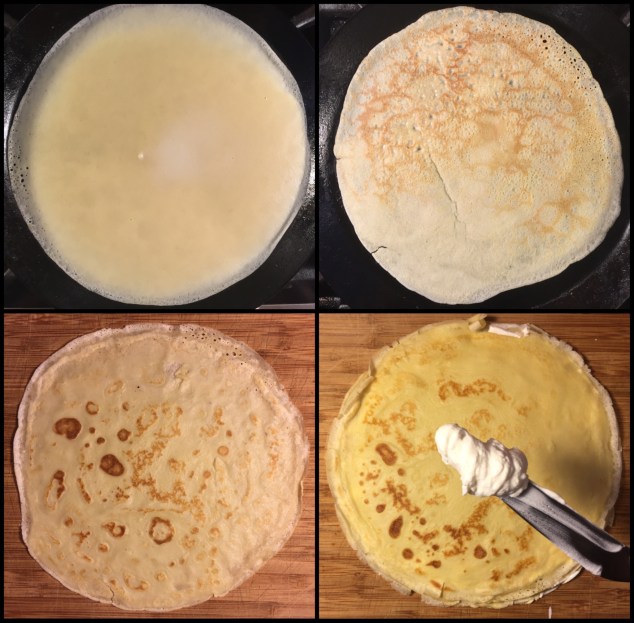
Working from a basic Alton Brown recipe for crepe batter, I started by creating the batter so it had the minimal few hours of rest to ensure a delicate texture.

IMG_1777

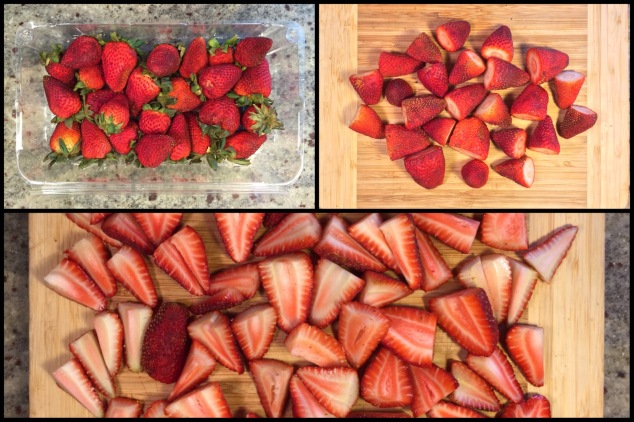
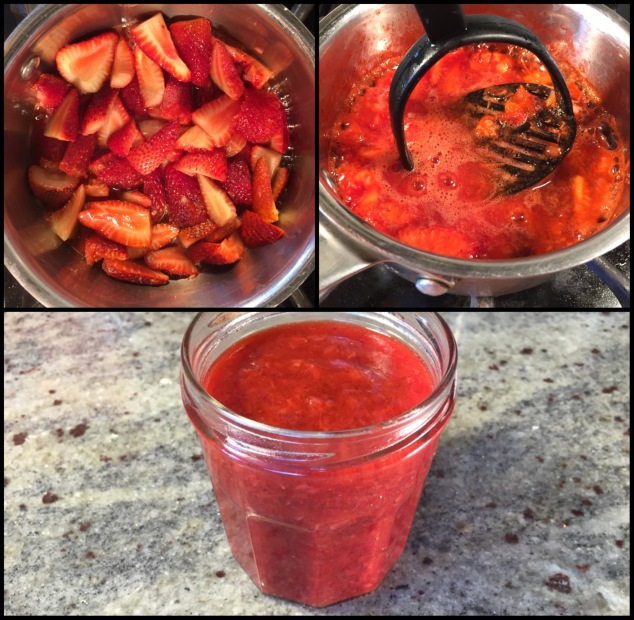
While the batter rested in the refrigerator, I went to work on making a fresh strawberry jam.

IMG_1771

The strawberries were admittedly not fresh but their ultimate demise as a quickie jam experiment was a far better fate becoming engulfed in mold and trashed unceremoniously, IMO.

IMG_1772

For a pristine, pure-fruit style, the jam was made with a modest addition of sugar and a couple ounces of fresh lemon juice to amp up the vibrancy.

IMG_1782

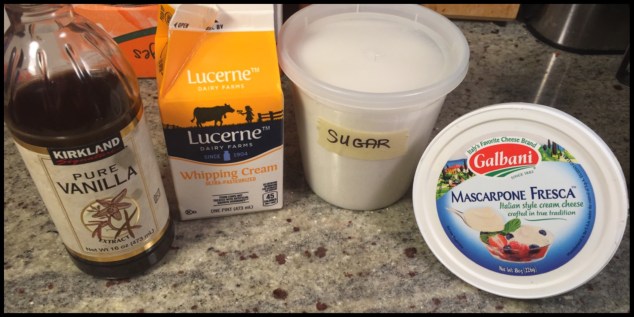
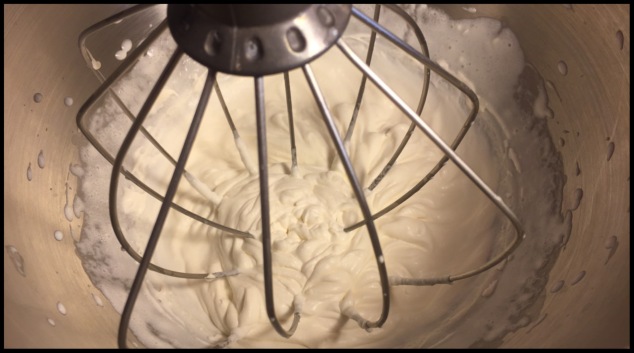
Next, a simple mascarpone cream was whipped up for layering the crepes.

IMG_1776

Again, I reduced the sweetness here to make sure the wine pairing would not be knocked out of balance. More on that later.

IMG_1778

Crepes were made and layered once cooled with a hefty spread of whipped mascarpone between each sheet.

IMG_1779

The final layer was then topped with strawberry jam, dollops of mascarpone and fresh mint leaves for effect.

IMG_1781

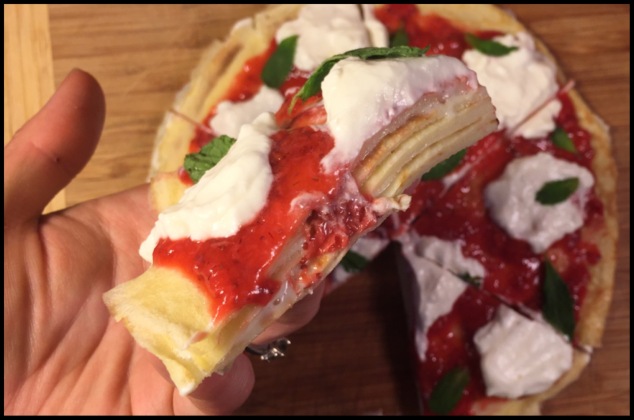
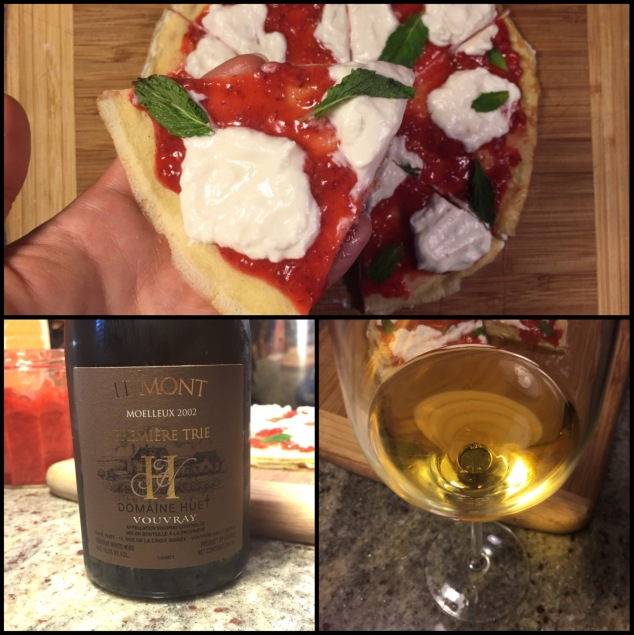
When cut, the thin tiers of creme and crepe took on the personality of a delicate cake that could be managed with a fork and knife or manhandled like a slice of pizza. The latter seemed appropriate.

IMG_1785

To pair with such fruit, cream and gentle sweetness, I tapped the 2002 Domaine Huet Moelleux Vouvray, “Le Mont,” 1ère Trie of France’s Loire Valley. The intense minerality and brilliance to the aromatics balanced the sweetness so well within the wine that it was remarkably undetectable to the overall experience. Alongside the crepe, it was perfectly matched as any more sweetness from the crepe may threaten to overwhelm the Chenin Blanc. With a sweeter style crepe, a sweeter wine would be needed.

IMG_2662

And now, back to my honeymoon.

Week 13: Breads – Pepperoni Monkey Bread

For this week’s challenge, I revived a past memory of making pepperoni monkey bread as inspired by a cover recipe of Cook’s Country not long ago. Without the actual recipe in hand, and without all the necessary kitchen gear, I put together the best monkey bread my semi-stocked refrigerator would allow.

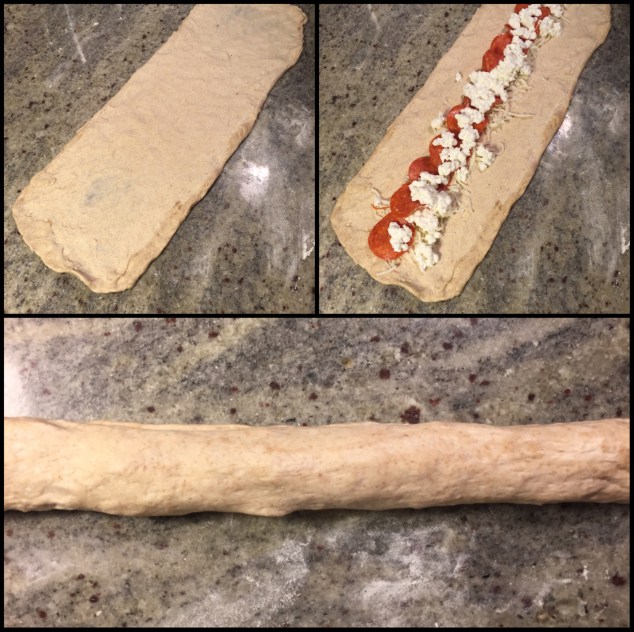
To begin, I rolled out a long sheet of leftover dough from a previous pizza thrill. The contents were then wrapped up into a tight roll for chopping.

IMG_1757

Inside were layers of mozzarella, cottage cheese and pepperoni.

IMG_1755

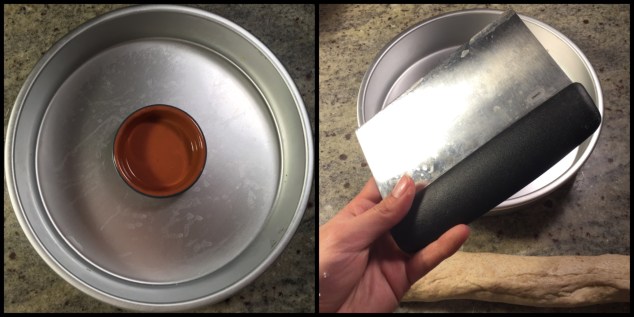
While chopping up the roll into bite-size morsels with a dough scraper is a handy use of a specific kitchen tool, not having a bundt pan is a somewhat difficult piece to find an equivalent for. For this semi-blind experiment, a cake pan with a centered ramekin will have to be sufficient.

IMG_1759

The chopped pieces were placed in a calculated, galactic pattern around the ramekin (which would later serve a dual purpose) and pressed into a compact form for baking.

IMG_1760

The results may have been messy with pepperoni and cheesy bits poking out, but the final product envelopes much of the clutter while still inviting a piece to be pulled off and dipped into the marinara that fills the center. To make savvy use of time, the marinara is best placed in the ramekin a couple minutes before the bread is finished setting.

IMG_1761

The marinara used here is my go-to recipe of San Marzano canned tomatoes cooked down briefly with a pinch of torn fresh basil, salt, sugar & red wine vinegar. When dipped, a piece of monkey bread transforms into a condensed pizza bite. It was really, really difficult not to eat this entire thing is one sitting. So that’s quite exactly what I did…but not without wine.


IMG_1762

COS is a killer producer from Sicily that I especially enjoy for the concentration of red cherry in its red wines balanced with the more savory, licorice elements the wines often display. While this 2011 Cerasuolo di Vittoria Classico displayed a bit more age than I had hoped, the pairing is still sound with the boldness of juicy fruit and brightness of acidity that Italian wines are known for that will help to balance the classic pizza flavors in this dish.

IMG_1764

So I very thoroughly slaughtered both food and wine and have zero regrets.

Week 10: Braised – Beet, Fennel & Goat Cheese Pizza

This week’s braising challenge is a considerably useful method of cooking that has only come up in our kitchen when brussel sprouts or potstickers are involved. In the case of the former, brussel sprouts had long baffled us as to how to best cook them without a long roasting process. Braising allowed for a quick sear to create the tasty bonus flavors offered by the Maillard reaction while accomplishing the tenderness sought out at a fraction of the time it would take in the oven.

For this pizza, I chose to discover the braising potential of fennel, a hardy root vegetable that can charm or dissuade any indulgers with its vibrant anise aromatics. Having only recently succumbed to fennel’s appeal, I am still in a rather obsessive phase that peaked this time last year with my addiction to fennel & grapefruit soup. Here, the flavors of fennel and some of its dear friends will come out and frolic.

JPEG image-C25B6172F98B-1

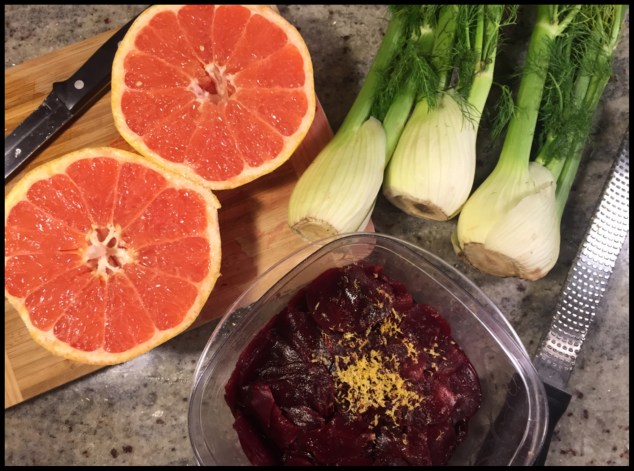
Sharing the spotlight on this pizza is fennel’s root vegetable buddy, beets. Even in the grocery store, they are already rather neighborly.

JPEG image-70B66FBBD467-1

With the help of a mandoline, roasted beets were thinly sliced and prepped for a marinade.

JPEG image-F04899F8D068-1

Before juicing the grapefruits for the marinade, I included the grapefruit zest to allow the tart flavors to pop. A splash of red wine vinegar helped bolster the marinade.

JPEG image-1A8B4A3D2C9F-1

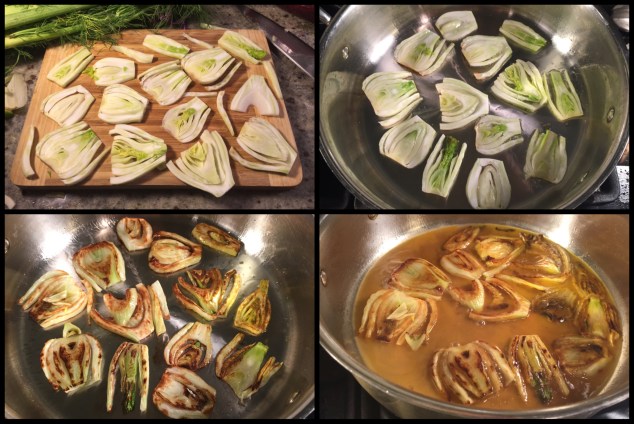
When it comes time to braise the fennel, only the bulbous base was used while some of the fronds were reserved for the final plating.

JPEG image-61067E68401D-1

Using a knife this time, I sliced the fennel carefully so as to best preserve the architecture within. During cooking, each portion was flipped methodically with tongs to keep the structure in tact for the final presentation.

JPEG image-32E43613E24F-1

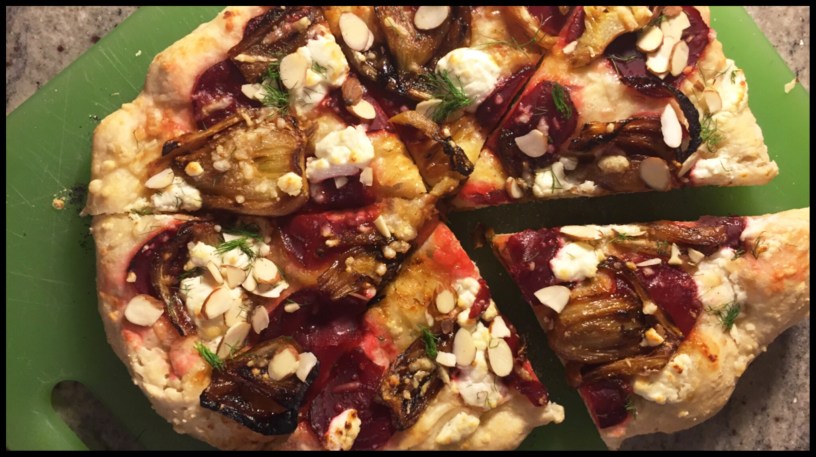
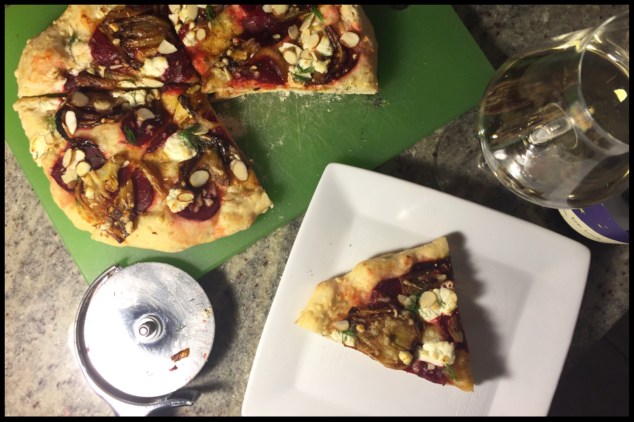
The pizza was built using a somewhat puffier crust that had boiled potato shavings folded in for a fluffier texture. The final toppings included the grapefruit-marinated beets, fennel, goat cheese and a sprinkle of mozzarella. Shaved almonds and fennel fronds dressed the pizza upon its completion.


JPEG image-FDAAB1B2E29A-1

While keeping an array of fun flavors, this pizza lacked a sense of moisture as its creator didn’t think to incorporate some semblance of a sauce. Taking a cue from the clam pizza from last week’s challenge, a quick spritz of the beet marinade may have saved this pizza from its shortcomings. Beyond this, the flavors meshed well enough to be completely devoured, but there was a certain integration lacking. The wine, in this case, helped bridge some missing links in the dish.

JPEG image-D1CB22A2290D-1.jpeg

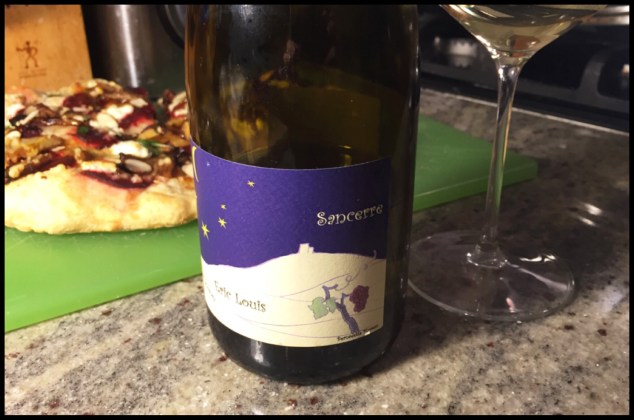
Chosen to pair with this pizza, Domaine Eric Louis – Sancerre, Loire Valley, France 2014 keeps a fresh and lively style of Sauvignon Blanc behind its cutesy Little Prince-esque label. Its natural affinity for goat cheese is aligned with a geographic history within the Loire Valley. The region’s Sauvignon Blanc has been enjoyed with the local and abundant goat cheese for so long it seems almost too perfect, and yet it is one of the few true classic pairings that is cherished for its simple dance of tangy, refreshing flavors. The aromatics of the Sancerre pile onto the flavors of grapefruit and herbaceousness in the pizza with a similar roar but the bitterness found in lingering after each bite admittedly might be better managed by the roundness of a slightly off-dry Riesling.

JPEG image-77FC9F2C4E3D-1.jpeg

Even still, neither pizza nor wine made it through the night.

Week 9: From A Can – White Clam Pizza with a can of rosé

For this next challenge, “From a can,” I decided not to indulge in my favorite pizza standard of artichoke red pie, despite the use of both canned tomatoes and artichokes. Instead, I took on a pizza that I had never dreamt of making: white clam pizza. URBN Coal Fire Pizza/Bar in North Park, San Diego boasts a New Haven-style, thus features a classic clam pie. It’s the perfect pizza to order for lunch on a Sunday with a glass of Provence rosé.

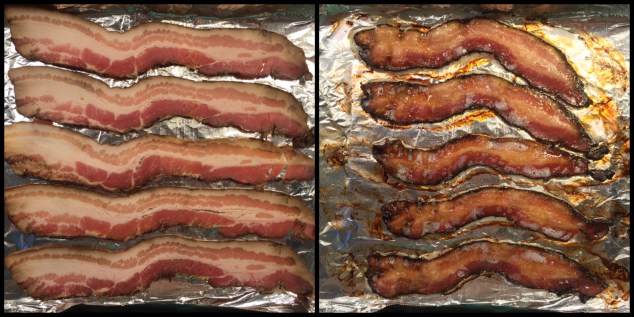
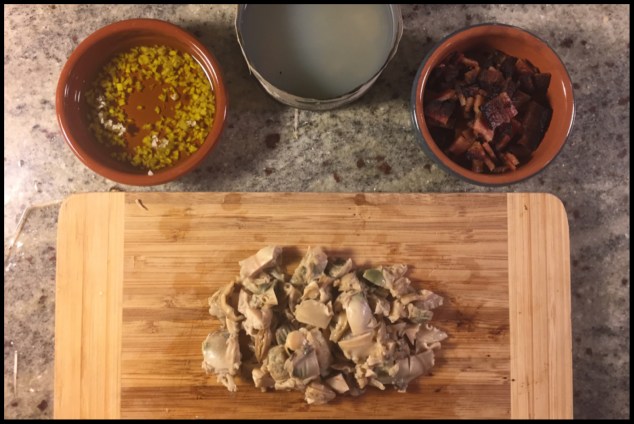
I generally operate under a zero-seafood-from-a-can policy when I cook so I’ve decided to slap on some bacon for a bit of flavor insurance.

JPEG image-816B75937432-1

Bacon offers unity between land and sea and, for those iffy about clams on a pizza, it can become the focal point of the experience.

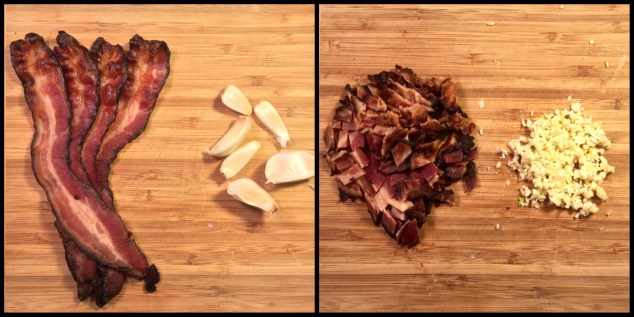
JPEG image-788B180C7962-1

Garlic is the perfect aromatic to go alongside seafood so an abundance is used to coat the base.

JPEG image-F5E626A4E1E7-1

Classically, fresh littleneck clams are used but since freshness is already being shunned for the sake of this challenge, the clam of choice is not a point of concern.

JPEG image-8600C3F43778-1

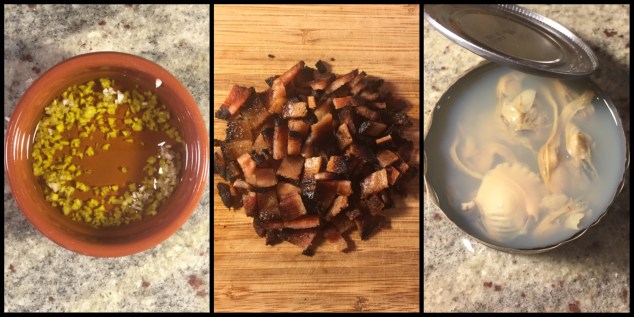
Ignoring how closely these clams resemble ID4 aliens sealed in an Area-51 tube once unveiled, these clams need to be coarsely chopped with the juice reserved for extra flavoring.

JPEG image-C3C0657DB819-1

Once outside of their murky clam juice home, these puppies look ready to hop on a pizza and snuggle up alongside some bacon.

JPEG image-DE0916D54A3D-1

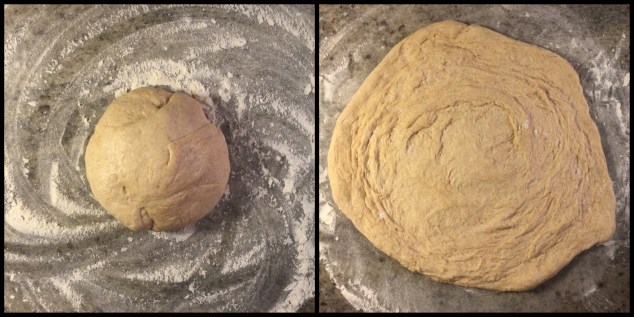
The dough used is a 3:1 bread and whole wheat flour, which was rolled out as thinly as possible while the oven climbed up to a maxed out 550°F. When freshly made, this dough can insert a subtle yeasty sweetness in the pizza’s overall flavor.

JPEG image-E2303CD4082B-1

Using olive oil & garlic as the sauce, mozzarella provided a base of cheese and the protein followed with parmesan grated overtop. Most importantly, a couple spoonfuls of clam juice were sprinkled over evenly before popping this bad larry into the oven for 7-10 minutes.

JPEG image-CD07B18C5A9D-1

In keeping with theme, a can of Alloy Wine Works – Grenache rosé, Central Coast, California was the pairing of choice, harking back to my URBN clam pizza & rosé days. With underripe raspberry and white strawberry notes balanced by the hint of actual sweetness in the wine, this wine tasted like the can’s own promising of sour patch kids. The inherent saltiness of the pizza even further emphasized the fruit of this rosé but it was the wine’s waxy texture and fuller body that helped manage bursts of smoky bacon.

JPEG image-5BAED5A0789D-1

The briny flavors were well integrated with the garlic and bright, tangy parmesan with the occasional bite of sea water surprise that is likely inevitable with a dish like this. The pizza kept pillowy texture that stayed moist and fresh thanks to the addition of the clam juice on top, without which this pizza would be lost.

JPEG image-06A582C1A983-1

Nailed it.


Week 7: Air – Basil Foam Pizza Topping

For this week’s challenge, I dedicated some time to learning about modernist techniques for making foams and emulsions. After combing through stacks of online literature (like this, this and this), I managed to gain little confidence that some chemical tinkering would go without failure. And with that, I cannonballed into this project without concern for the outcome and came out lucky.

Basil Foam

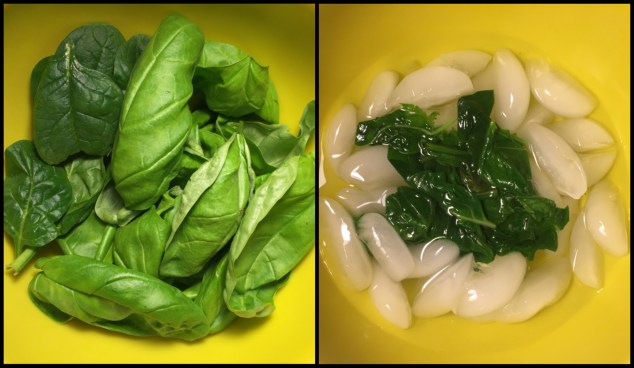
To begin, I blanched fresh basil leaves, and a few spinach leaves for extra color, before dousing them in an ice bath.

JPEG image-ACC4121DF625-1

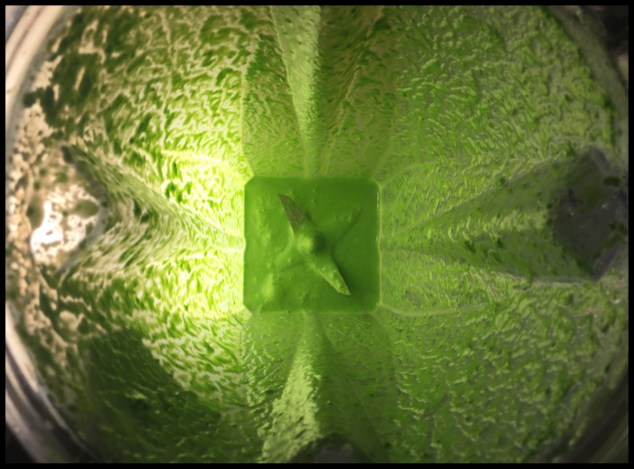
After wringing out the excess water from the leaves, I blended the leaves with a pinch of salt and a small amount of half and half, adding just enough to create a smooth liquid. I kept the additional cream to a minimum so as to maintain the concentration of both color and flavor in the resulting foam. This step required a few pauses to scrape down the sides of the blender for consistency, which probably would not have been as dramatic a task if I had made a bigger batch.

JPEG image-AF109A3BAC87-1

Instead of leaning on any one particular technique discussed in the molecular gastronomy websites, I went for a combo punch of ingredients that would undoubtedly turn this mess into some kind of foam. Any foam.

JPEG image-6CB4FF9F4DE8-1

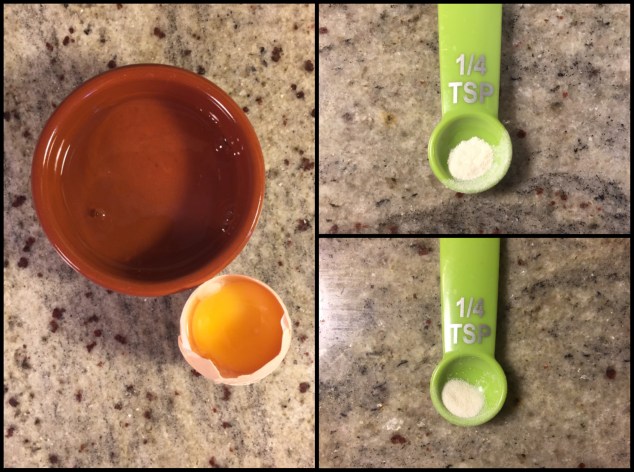
Adding in 1/16th a teaspoon of xanthan gum as a thickener and an egg white of one egg and 1/16 teaspoon of agar agar as stabilizers, I gave the emulsion one last blend before passing it through a sieve into an iSi whipped cream dispenser. After unloading two cartridges of nitrous oxide into the canister, shaking vigorously with each delivery, the iSi took a nap in the fridge while pizza was made.

JPEG image-3F1DF0B395BE-1.jpeg

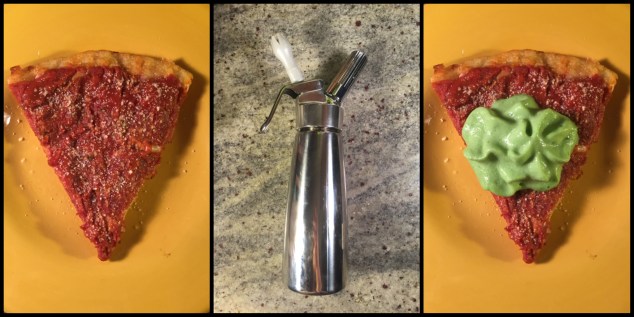
Basil works very well alongside tomatoes so I decided to flip this pizza onto its bottom and create an upside-down pepperoni pie with mozzarella spread right over the crust, followed by pepperoni and then heaps and heaps of freshly-made tomato sauce. Once out of the oven, the pizza was doused with parmesan and cooled slightly before basil foam was applied in the hopes of not deteriorating its delicate nature too quickly.

JPEG image-98413716BF70-1

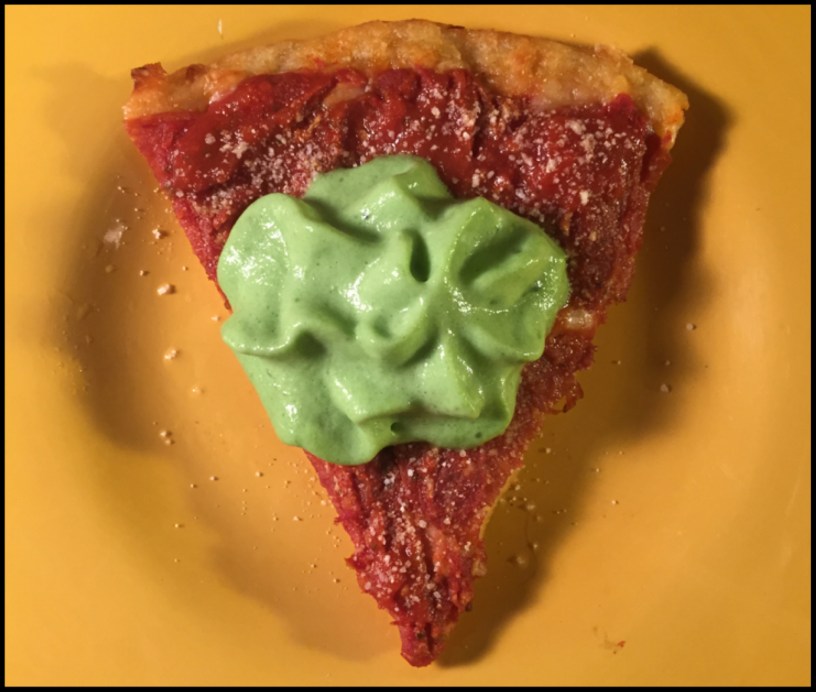
The foam came out light, fluffy and of a satisfying shade of ecto-cooler green. The flavors remained fresh and leafy in its new form, which made a slice of pizza look like a crisply-wrapped present. Even when melted into alien goop, the foam was worthy of using as a dip for crust.

The pairing

With more herbaceous flavors to consider on a standard set of toppings, I wanted a wine to reflect the same green quality found on the pizza. Varietally known for its green bell pepper notes, Cabernet Franc from Bock (Hungary, 2011).

JPEG image-4F21BD74BE71-1

The wine was remarkably plush and easy to get along with, primarily flaunting juicy black cherry and raspberry notes with hints of chopped mushroom and fresh soil interlaced. Together with the pizza, the soft yet powerful style of this wine was able to match the richness of the tomato sauce and provide a backdrop of dark berry fruitiness for the herbaceous flavors to play off of. Not the pairing that was expected, but one that worked nonetheless.

JPEG image-958EDF549C46-1

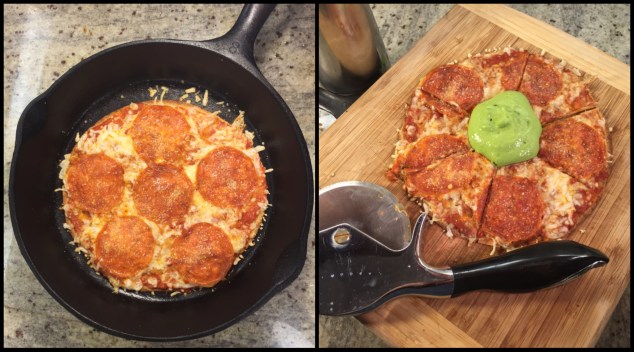
With a canister of basil foam hanging out in the fridge, even some everyday cast iron tortilla pizza can use a little pizzazz. Though the classic remain classics, I found myself continuing to reach for the iSi for that extra hit of flavor. It seems I’ll have to mark this challenge down as a success.