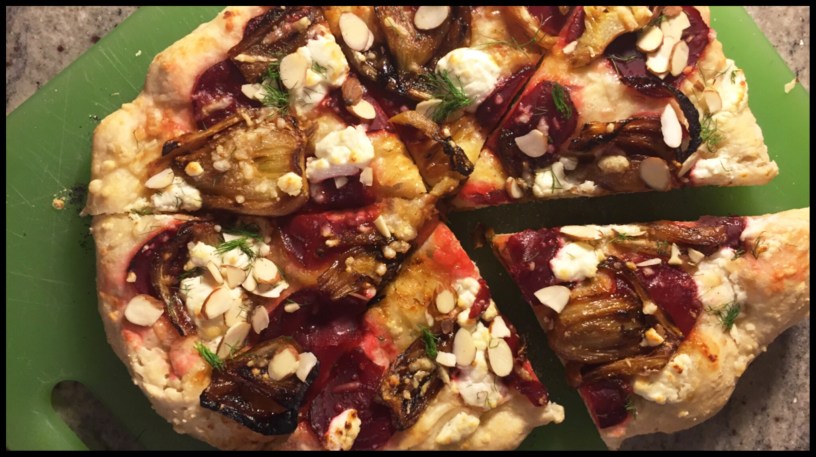
Week 10: Braised – Beet, Fennel & Goat Cheese Pizza

This week’s braising challenge is a considerably useful method of cooking that has only come up in our kitchen when brussel sprouts or potstickers are involved. In the case of the former, brussel sprouts had long baffled us as to how to best cook them without a long roasting process. Braising allowed for a quick sear to create the tasty bonus flavors offered by the Maillard reaction while accomplishing the tenderness sought out at a fraction of the time it would take in the oven.

For this pizza, I chose to discover the braising potential of fennel, a hardy root vegetable that can charm or dissuade any indulgers with its vibrant anise aromatics. Having only recently succumbed to fennel’s appeal, I am still in a rather obsessive phase that peaked this time last year with my addiction to fennel & grapefruit soup. Here, the flavors of fennel and some of its dear friends will come out and frolic.

JPEG image-C25B6172F98B-1

Sharing the spotlight on this pizza is fennel’s root vegetable buddy, beets. Even in the grocery store, they are already rather neighborly.

JPEG image-70B66FBBD467-1

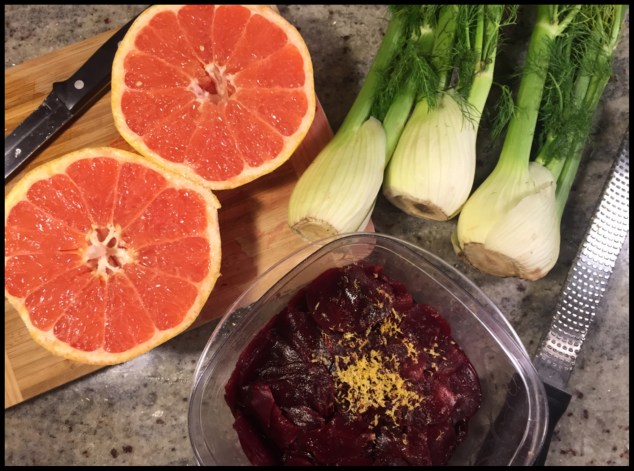
With the help of a mandoline, roasted beets were thinly sliced and prepped for a marinade.
JPEG image-F04899F8D068-1

Before juicing the grapefruits for the marinade, I included the grapefruit zest to allow the tart flavors to pop. A splash of red wine vinegar helped bolster the marinade.

JPEG image-1A8B4A3D2C9F-1

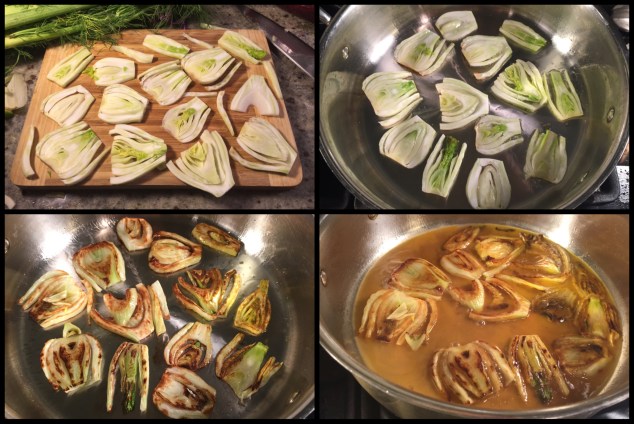
When it comes time to braise the fennel, only the bulbous base was used while some of the fronds were reserved for the final plating.
JPEG image-61067E68401D-1

Using a knife this time, I sliced the fennel carefully so as to best preserve the architecture within. During cooking, each portion was flipped methodically with tongs to keep the structure in tact for the final presentation.

JPEG image-32E43613E24F-1

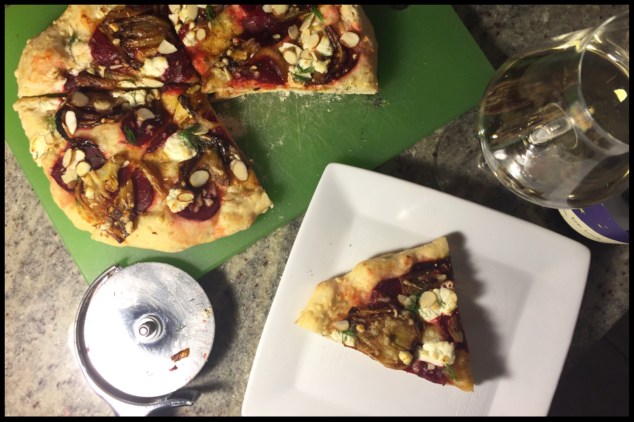
The pizza was built using a somewhat puffier crust that had boiled potato shavings folded in for a fluffier texture. The final toppings included the grapefruit-marinated beets, fennel, goat cheese and a sprinkle of mozzarella. Shaved almonds and fennel fronds dressed the pizza upon its completion.


JPEG image-FDAAB1B2E29A-1

While keeping an array of fun flavors, this pizza lacked a sense of moisture as its creator didn’t think to incorporate some semblance of a sauce. Taking a cue from the clam pizza from last week’s challenge, a quick spritz of the beet marinade may have saved this pizza from its shortcomings. Beyond this, the flavors meshed well enough to be completely devoured, but there was a certain integration lacking. The wine, in this case, helped bridge some missing links in the dish.
JPEG image-D1CB22A2290D-1.jpeg

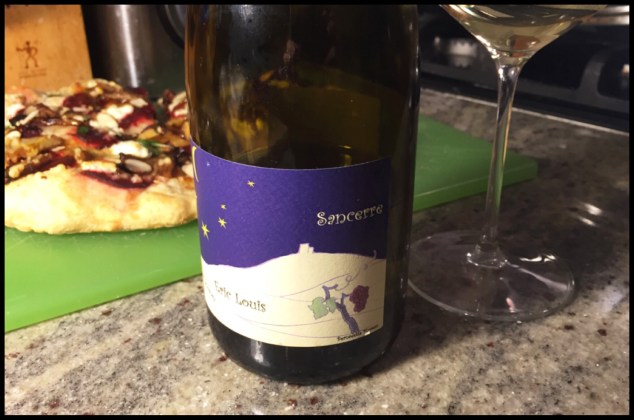
Chosen to pair with this pizza, Domaine Eric Louis – Sancerre, Loire Valley, France 2014 keeps a fresh and lively style of Sauvignon Blanc behind its cutesy Little Prince-esque label. Its natural affinity for goat cheese is aligned with a geographic history within the Loire Valley. The region’s Sauvignon Blanc has been enjoyed with the local and abundant goat cheese for so long it seems almost too perfect, and yet it is one of the few true classic pairings that is cherished for its simple dance of tangy, refreshing flavors. The aromatics of the Sancerre pile onto the flavors of grapefruit and herbaceousness in the pizza with a similar roar but the bitterness found in lingering after each bite admittedly might be better managed by the roundness of a slightly off-dry Riesling.
JPEG image-77FC9F2C4E3D-1.jpeg

Even still, neither pizza nor wine made it through the night.

Week 9: From A Can – White Clam Pizza with a can of rosé

For this next challenge, “From a can,” I decided not to indulge in my favorite pizza standard of artichoke red pie, despite the use of both canned tomatoes and artichokes. Instead, I took on a pizza that I had never dreamt of making: white clam pizza. URBN Coal Fire Pizza/Bar in North Park, San Diego boasts a New Haven-style, thus features a classic clam pie. It’s the perfect pizza to order for lunch on a Sunday with a glass of Provence rosé.

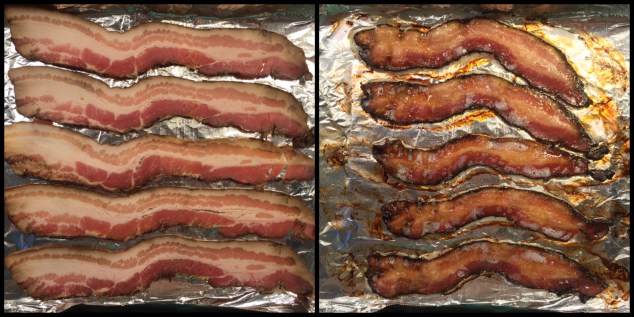
I generally operate under a zero-seafood-from-a-can policy when I cook so I’ve decided to slap on some bacon for a bit of flavor insurance.

JPEG image-816B75937432-1

Bacon offers unity between land and sea and, for those iffy about clams on a pizza, it can become the focal point of the experience.

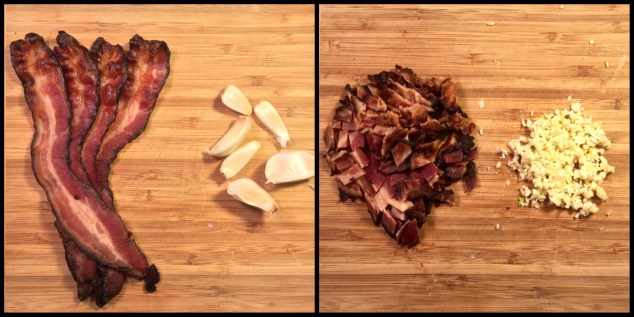
JPEG image-788B180C7962-1

Garlic is the perfect aromatic to go alongside seafood so an abundance is used to coat the base.

JPEG image-F5E626A4E1E7-1

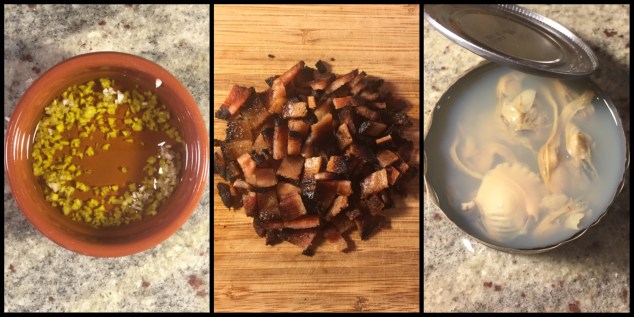
Classically, fresh littleneck clams are used but since freshness is already being shunned for the sake of this challenge, the clam of choice is not a point of concern.

JPEG image-8600C3F43778-1

Ignoring how closely these clams resemble ID4 aliens sealed in an Area-51 tube once unveiled, these clams need to be coarsely chopped with the juice reserved for extra flavoring.

JPEG image-C3C0657DB819-1

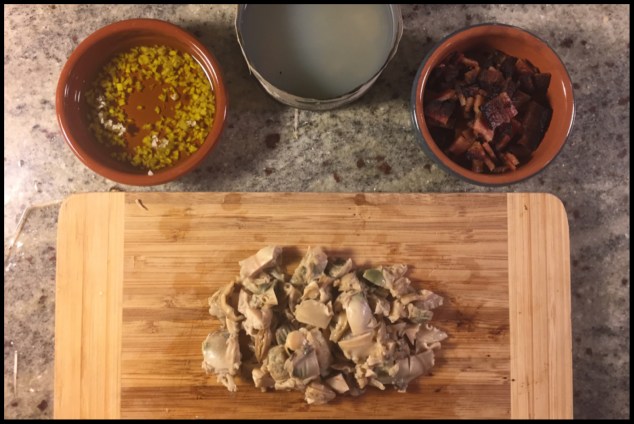
Once outside of their murky clam juice home, these puppies look ready to hop on a pizza and snuggle up alongside some bacon.

JPEG image-DE0916D54A3D-1

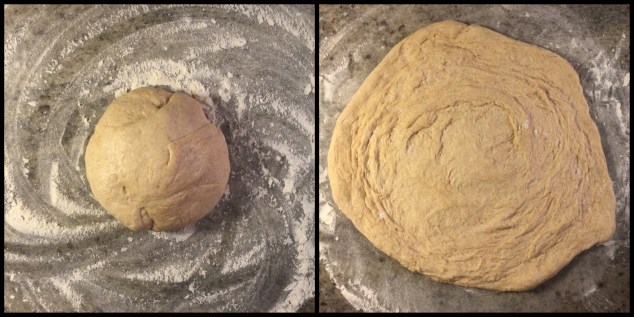
The dough used is a 3:1 bread and whole wheat flour, which was rolled out as thinly as possible while the oven climbed up to a maxed out 550°F. When freshly made, this dough can insert a subtle yeasty sweetness in the pizza’s overall flavor.

JPEG image-E2303CD4082B-1

Using olive oil & garlic as the sauce, mozzarella provided a base of cheese and the protein followed with parmesan grated overtop. Most importantly, a couple spoonfuls of clam juice were sprinkled over evenly before popping this bad larry into the oven for 7-10 minutes.

JPEG image-CD07B18C5A9D-1

In keeping with theme, a can of Alloy Wine Works – Grenache rosé, Central Coast, California was the pairing of choice, harking back to my URBN clam pizza & rosé days. With underripe raspberry and white strawberry notes balanced by the hint of actual sweetness in the wine, this wine tasted like the can’s own promising of sour patch kids. The inherent saltiness of the pizza even further emphasized the fruit of this rosé but it was the wine’s waxy texture and fuller body that helped manage bursts of smoky bacon.

JPEG image-5BAED5A0789D-1

The briny flavors were well integrated with the garlic and bright, tangy parmesan with the occasional bite of sea water surprise that is likely inevitable with a dish like this. The pizza kept pillowy texture that stayed moist and fresh thanks to the addition of the clam juice on top, without which this pizza would be lost.

JPEG image-06A582C1A983-1

Nailed it.


Week 7: Air – Basil Foam Pizza Topping

For this week’s challenge, I dedicated some time to learning about modernist techniques for making foams and emulsions. After combing through stacks of online literature (like this, this and this), I managed to gain little confidence that some chemical tinkering would go without failure. And with that, I cannonballed into this project without concern for the outcome and came out lucky.

Basil Foam

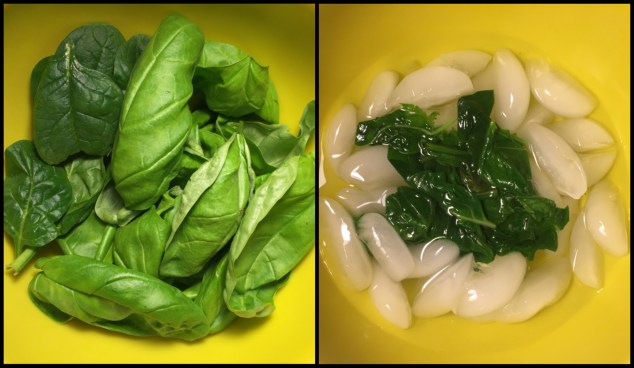
To begin, I blanched fresh basil leaves, and a few spinach leaves for extra color, before dousing them in an ice bath.

JPEG image-ACC4121DF625-1

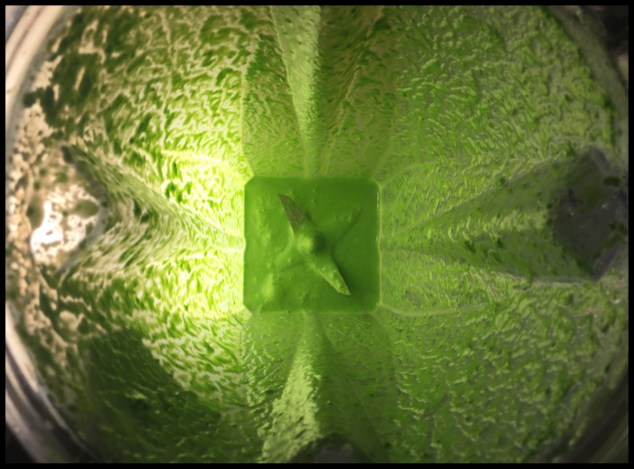
After wringing out the excess water from the leaves, I blended the leaves with a pinch of salt and a small amount of half and half, adding just enough to create a smooth liquid. I kept the additional cream to a minimum so as to maintain the concentration of both color and flavor in the resulting foam. This step required a few pauses to scrape down the sides of the blender for consistency, which probably would not have been as dramatic a task if I had made a bigger batch.

JPEG image-AF109A3BAC87-1

Instead of leaning on any one particular technique discussed in the molecular gastronomy websites, I went for a combo punch of ingredients that would undoubtedly turn this mess into some kind of foam. Any foam.

JPEG image-6CB4FF9F4DE8-1

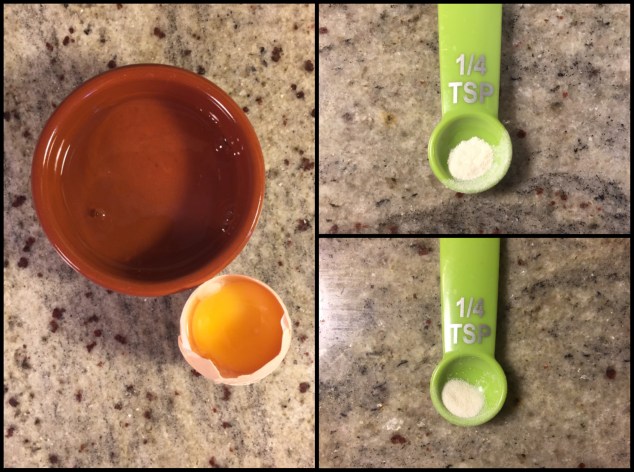
Adding in 1/16th a teaspoon of xanthan gum as a thickener and an egg white of one egg and 1/16 teaspoon of agar agar as stabilizers, I gave the emulsion one last blend before passing it through a sieve into an iSi whipped cream dispenser. After unloading two cartridges of nitrous oxide into the canister, shaking vigorously with each delivery, the iSi took a nap in the fridge while pizza was made.

JPEG image-3F1DF0B395BE-1.jpeg

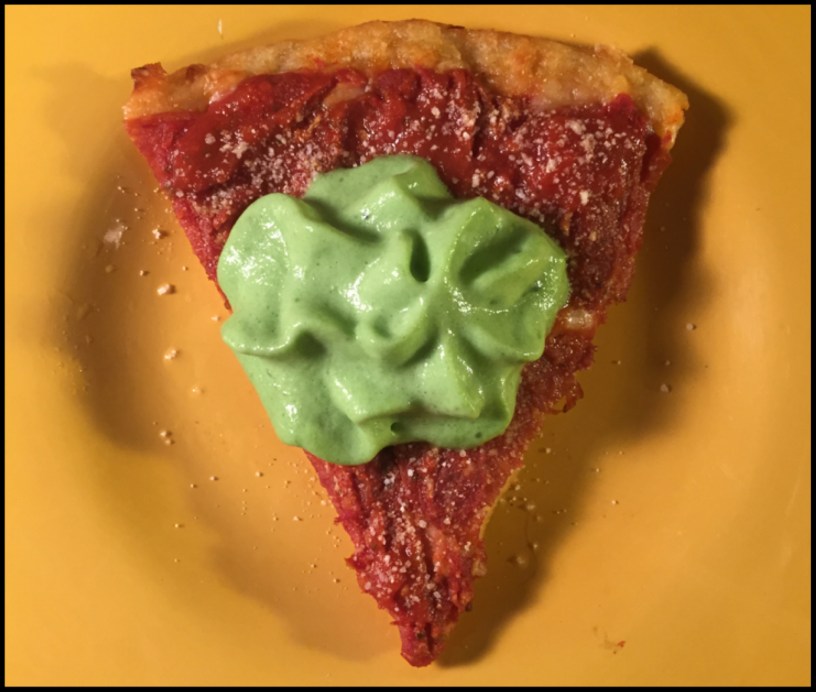
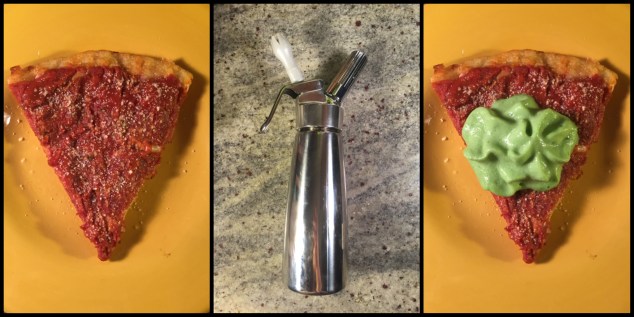
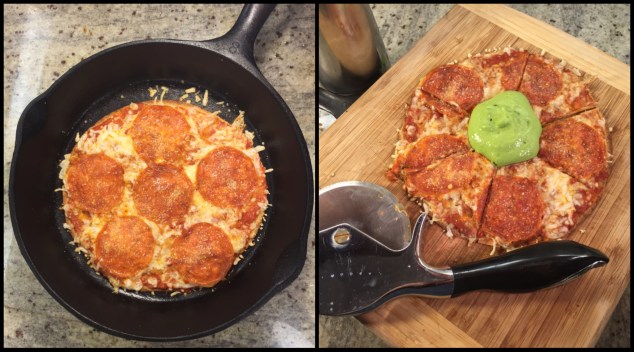
Basil works very well alongside tomatoes so I decided to flip this pizza onto its bottom and create an upside-down pepperoni pie with mozzarella spread right over the crust, followed by pepperoni and then heaps and heaps of freshly-made tomato sauce. Once out of the oven, the pizza was doused with parmesan and cooled slightly before basil foam was applied in the hopes of not deteriorating its delicate nature too quickly.

JPEG image-98413716BF70-1

The foam came out light, fluffy and of a satisfying shade of ecto-cooler green. The flavors remained fresh and leafy in its new form, which made a slice of pizza look like a crisply-wrapped present. Even when melted into alien goop, the foam was worthy of using as a dip for crust.

The pairing

With more herbaceous flavors to consider on a standard set of toppings, I wanted a wine to reflect the same green quality found on the pizza. Varietally known for its green bell pepper notes, Cabernet Franc from Bock (Hungary, 2011).

JPEG image-4F21BD74BE71-1

The wine was remarkably plush and easy to get along with, primarily flaunting juicy black cherry and raspberry notes with hints of chopped mushroom and fresh soil interlaced. Together with the pizza, the soft yet powerful style of this wine was able to match the richness of the tomato sauce and provide a backdrop of dark berry fruitiness for the herbaceous flavors to play off of. Not the pairing that was expected, but one that worked nonetheless.

JPEG image-958EDF549C46-1

With a canister of basil foam hanging out in the fridge, even some everyday cast iron tortilla pizza can use a little pizzazz. Though the classic remain classics, I found myself continuing to reach for the iSi for that extra hit of flavor. It seems I’ll have to mark this challenge down as a success.

Week 6: Finger Foods – a trio of pizza snacks

Exploring the miniature world of pizza-inspired finger food, as decreed by this week’s challenge, I decided to experiment with three different styles to see how far whimsy could take me. To begin, I chose to bring to life a mediocre pizza cone I once experienced at a night market but this time it would be tastier and in bite-size form.

Pizza Cones

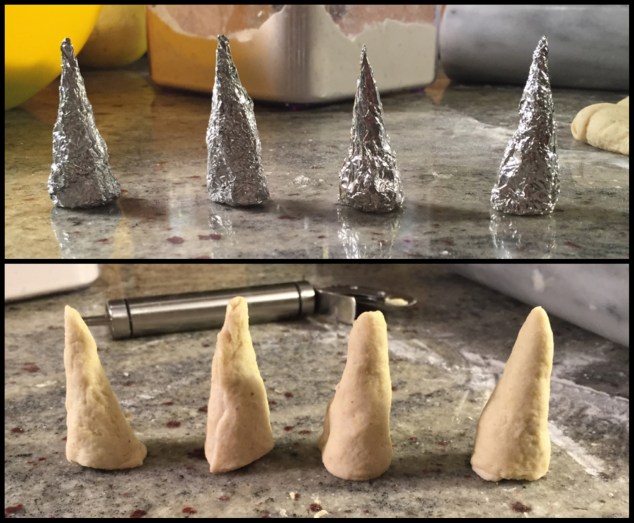
Ideally this project would begin with an army of small cone-shaped, oven-safe items such as a basic frosting tip, at the ready. If this is not the case, the next best option is to create a set of Cones of Dunshire out of foil.

JPEG image-3BD190DFAAA6-1

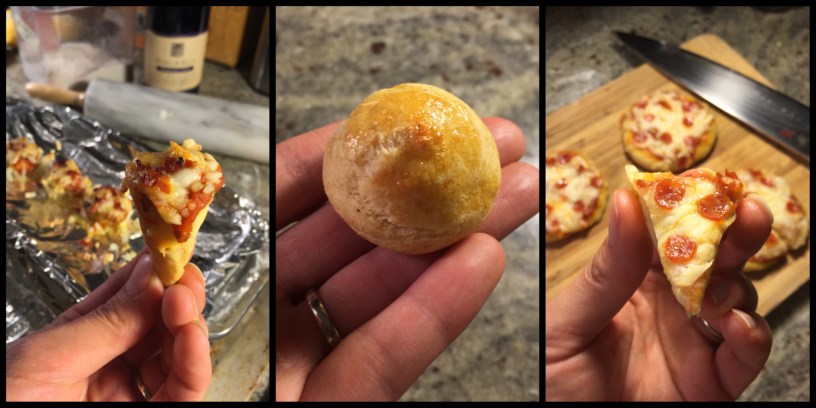
Using room-temperature pizza dough, I rolled out thin, roughly-shaped triangles that were wrapped once around each cone. The cones were baked pointy side up until browning and gently release from mold when cool enough to do so.

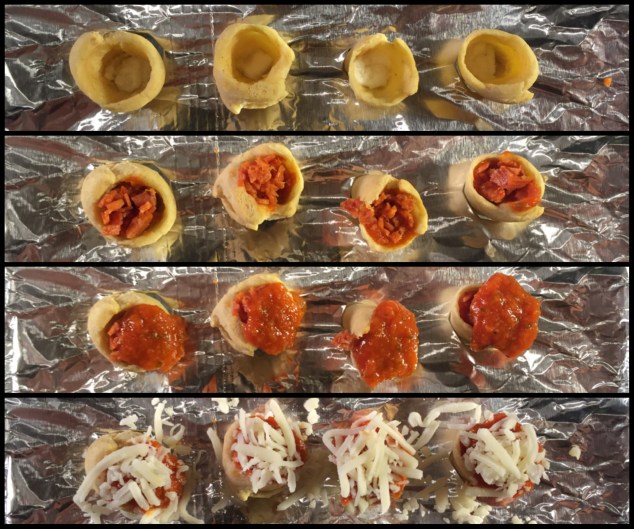
To prep for the next stage of cooking, foil was wrapped tightly around a baking dish and gently poke tiny, well-spaced holes for the cones to sit upright in. These cones were filled with a modest layering of fresh mozzarella, marinara sauce, finely chopped pepperoni, more sauce, and shredded mozzarella to top.

JPEG image-4CD72F78BFBB-1

These were placed back in the oven for another 5 minutes and served in the very same delicate DIY foil holder as before.

JPEG image-7FE202479377-1

While the presentation is lacking a bit of panache, these small treats have potential for greatness in the future, especially if I combine the piping mousse used in the following finger food.

Pepperoni Cream Gougeres

Gougeres are small pastries that create little air pockets when they puff up in the oven, providing space for a creamy treat to be piped in.

JPEG image-9A151BCF907D-1

While these might be considered the most successful of my experiements, I encountered many difficulties along the way. Using a very basic recipe provided by the Addison kitchen, I had a batch ready to go within minutes.

JPEG image-C0372E3FD6C8-1

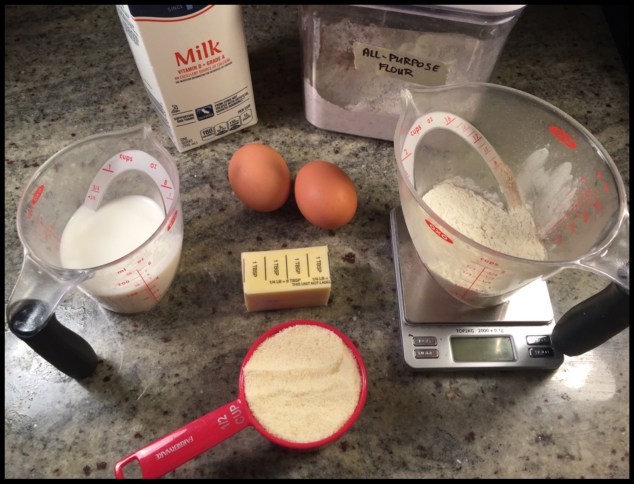
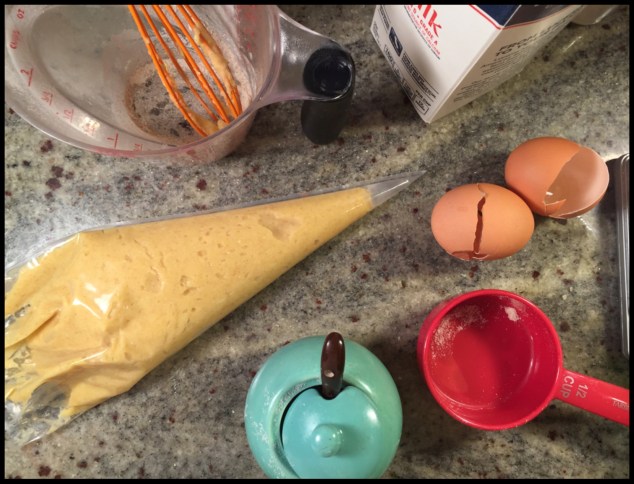
Boiling the butter and milk together, I added the flour all at once and beat the resulting goop for three minutes. Off heat, I whipped in the eggs one at a time and then added parmesan and season with salt to taste. This was then added to a pastry bag, though a sturdy ziplock bag would make a fine enough substitution.

JPEG image-91BF30592A1B-1

Piping out small swirly poops was my first mistake. The shape created at the base of each pastry did not allow half the batch to rise with the appropriate amount of spacing within. It is better to start with a fat blob as the base, swirling towards the top to avoid a Hershey kiss shape.

JPEG image-476D9246B533-1

Each batch took around 20-25 minutes in the oven before crispy and light. Midway through the first batch, I noticed the color of the gourgeres remained quite pale so I pulled out the lot and painted on a sheen of whipped egg whites for some last minute coloration in the oven. The trick seemed to work so I applied the egg whites to the second batch as well.
While waiting for the pastries to finish baking, I pulled together some pizzaesque ingredients laying around in the kitchen for a haphazard emulsion. The final makeup of this concoction involved a blend of tomato chunks, mozzarella, sour cream, cottage cheese, half and half, crushed red pepper, salt, pepper and crispy pepperoni. This was added to its own pastry bag and piped into the cracks found along each puff pastry to fill the gap within.

JPEG image-5EA87828C3AB-1

At first I didn’t mind the chunky texture the pepperoni provided until the pastry bag tip kept getting clogged and splattering comically all over the kitchen from force and frustration. Had I made a bigger batch, the end texture may have been smoother as the pepperoni would have a chance to become completely emulsified. In addition, I would avoid using firmer cheeses so that the mousse remains creamy when reheated. Another couple rounds of practice should transform this puppy into a winner in a crowd.

Mini Pepperoni Pizzas

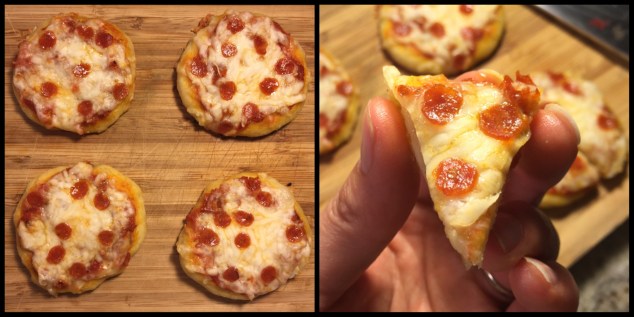
Despite my certainty that this would be the least exciting aspect of my finger food experiments, I devoted a good half hour into this project to use up some leftover dough and ingredients. The majority of this half hour was spent meticulously cutting regularly-sized pepperoni into miniature pepperoni pieces, all for the cutesy look of it.

JPEG image-F997ABDC27C3-1

From here, the dough was separated into equally-sized balls that, when pressed into shape, resulted in 3-inch rounds. And from here I built the pizza as I would any other.

JPEG image-AFA90221AAD1-1

The pepperoni scraps from earlier did not go to waste as they were chopped up and placed over the sauce and under the cheese when designing the final toppings.

JPEG image-D1CE2903E83E-1

Edible? Yes. Cute? Sure. Worth it? Eh.

The Pairing

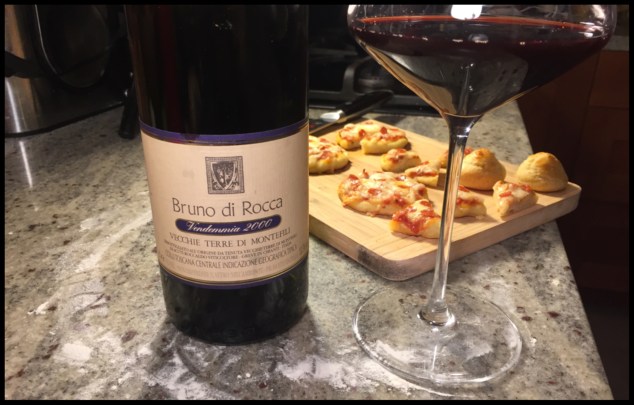
While the flavors of these three treats were very similar overall, I would still need a wine broad enough to span the nuances of spices and texture. When it comes to classic Italian flavors of tomato and cheese and cured meats, I tend to seek out Italian wine.

JPEG image-93C771649D23-1

Vecchie Terre di Montefili – “Bruno di Rocca,” Toscana, Italy 2000 is plush, rich and easy to become friends with. While a decade and a half of aging has definitely pushed this wine into its developing stages, there is still a dense juiciness to the black cherry and raspberry fruit that can manage to the pastry-dense food. The wine’s age offers the additional benefit of extra complexity by emphasizing more savory components like black tea and chopped mushrooms. This wine is just as fun to drink with the food as it is to drink during its preparation.

Week 4 – Brunch: hash brown breakfast pizza

At the dawn of this week’s challenge, it was clear a simple breakfast pizza, softball it may be, would be all too straightforward. With three-pounds of homemade hash browns squirreled away in the freezer for any and all breakfast burrito needs, I knew I could tap this stockpile for the base of this next project. This particular batch of hash browns was made with particular care in an effort to perfect this brunch-time afterthought. I did okay. The thawed hash browns were still soggy with moisture I had failed to wring out of them. Luckily, it wasn’t too late to correct this problem with a minor squeeze session over the sink. When it came time to cook, I could only hope my efforts would provide a crispy enough base that could be spread thin while also supporting the extra weight of toppings.

Hash Brown Breakfast Pizza

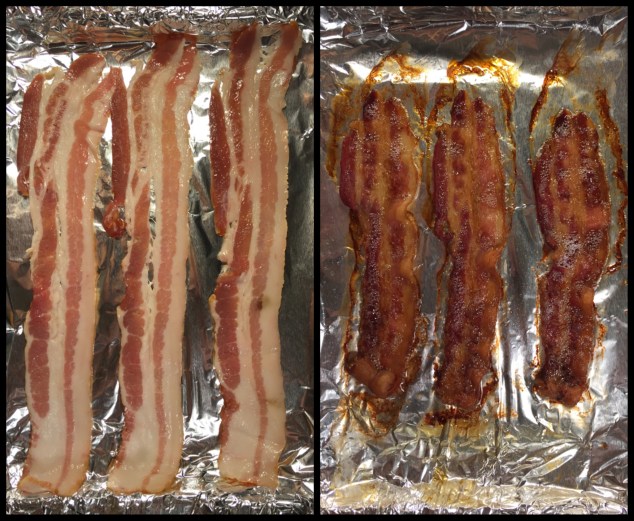
To begin, preheat the oven to 350°F and toss in a couple pieces of bacon until crispy (approximately 12-15 minutes). Oven-cooked bacon is one of the many life hacks that has so many benefits it should have its own brochure. Not only does it provides complete control for even cooking, it also frees up the stovetop, makes clean up easy and keeps those damned grease pops safely tucked away.

JPEG image-3D896F2E110E-1

Meanwhile, the bacon fat rendered can be used in cooking the goodies up top.

JPEG image-B7737871C2B8-1

Just as with latkes and fritters, a binding agent is needed for the hash browns to hold its shape, which in this case is the shape of pizza dough. One medium egg is scrambled and tossed with the potatoes, plus some chopped yellow onions and chives for some pizzazz.

JPEG image-51EEAD4D7DAA-1

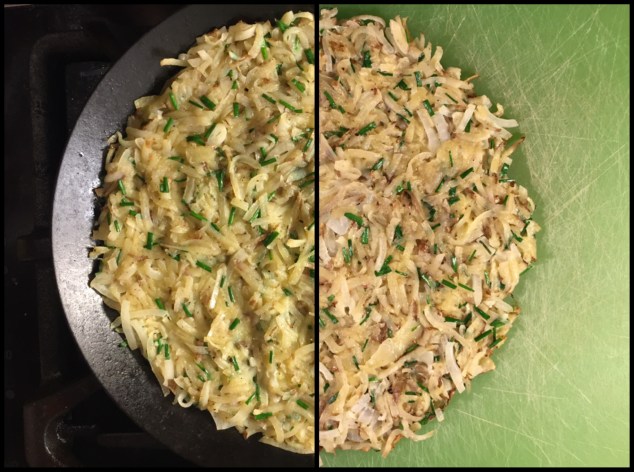
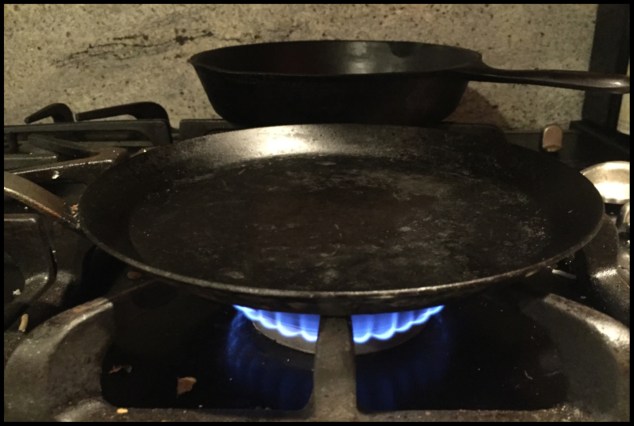
The mixture is spread into an oiled steel crepe pan over medium heat, evenly spread out and smushed into the natural circular shape of the pan. Once set in place, the potatoes are not to be fussed over until the bottom begins to crisp up (approximately 3-4 minutes).

JPEG image-B2B8BF1F2129-1

The trouble now is the flip, which is why the crepe pan is preferred for its mildly-sloped edges. Using a spatula, loosen the hash browns from the pan all around so that it can easily slide off onto a cutting board, cooked side down. Having very lightly coated the pan in oil again, flip the pan upside-down over the potato disc and then quickly flip the cutting board over to place the potatoes cooked-side up in the pan. Cook over medium heat while placing on toppings of cheese and bacon.

JPEG image-410BF512E637-1

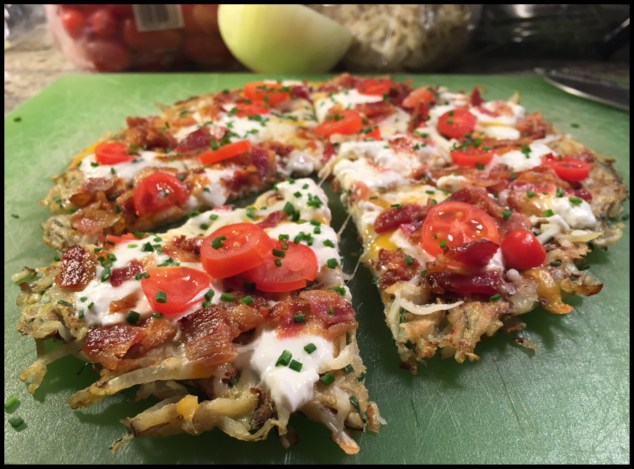
Place the crepe pan, again crucial for its metalware, into the oven to melt the cheese fully. To secure this pizza in the breakfast realm, an egg can be cracked over top and cooked until soft at this time. After pulling the pizza from the oven, the spatula is once more utilized to carefully move the pizza onto a cutting board. More toppings of tomato and finely chopped chives are added just before serving to keep their delicate textures intact.


JPEG image-61388EF4C775-1

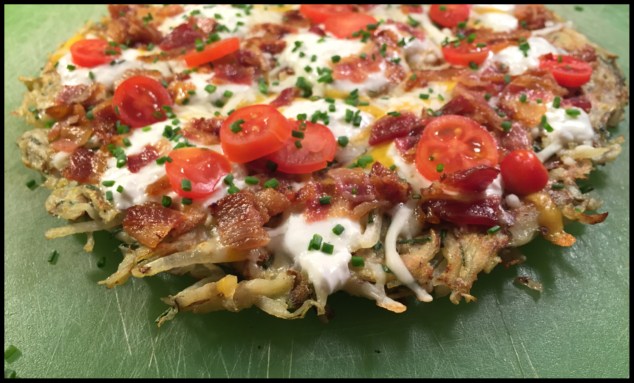
The pizza is pretty outstanding. The mix of cheeses (cheddar, monterey jack, mozzarella and cottage cheese) provides a medley of textures ranging from chewy to creamy. The gently-cooked onions offer a layer of extra flavor in each bite, the tomatoes pop with a subtle juiciness and the bountiful heaps of bacon on top and bacon fat throughout do not go unappreciated.
JPEG image-56330DAED5A7-1

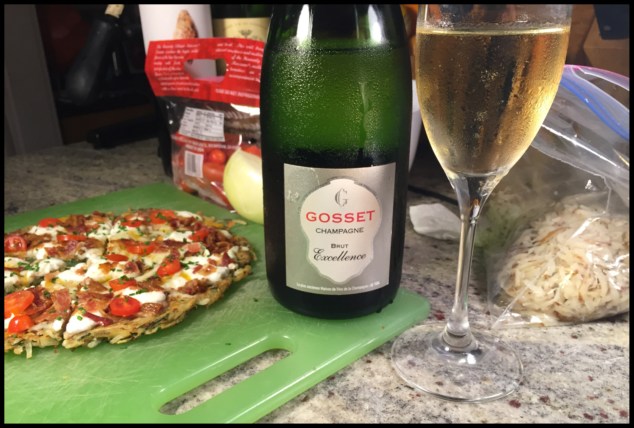
As for wine, what better way to preserve the traditions of brunch than to pair this pizza with Champagne. All the grease and cream and fat of brunch dishes can easily be whisked away by refreshing bubbles and crisp acidity while more delicate mainstays like eggs are heightened by an equally light wine.

JPEG image-A48F418C12ED-1

Gosset – “Excellence,” Brut, Champagne, NV, the entry-level offering of the house, is the most complexity needed when brunching. There are hints of limestone and toasty brioche in the glass, and while there is a muskiness in the wine that mirrors the earthy elements in the pizza, the aromas do not inspire much reflection. It’s thoroughly enjoyable without the pressure of having to talk tablemates out of adding a splash of orange juice.

For those who indulge in this brunchtime combo, consider keeping sour cream close by for a truly hedonistic experience.

Week 2 – Sous Vide: Short Rib & Mashed Potato pizza

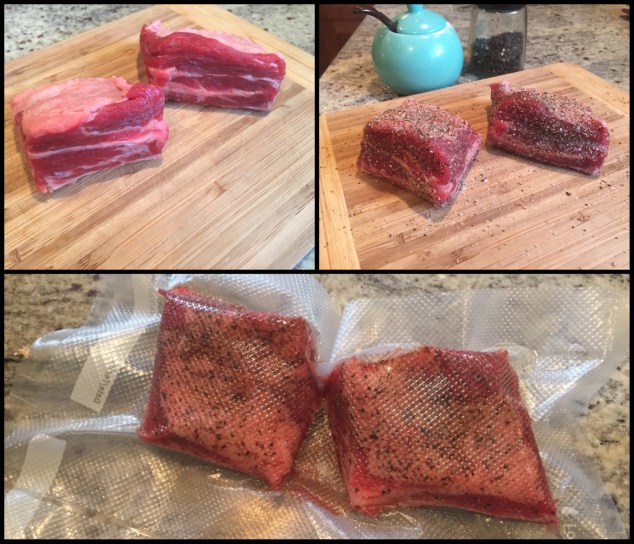
Upon the insistence sous vide websites or books everywhere, short ribs are the showcase piece for this next pizza project. According to these various resources, short ribs can take anywhere from 12 to 72 hours, depending on preferred texture.

IMG_7004

I decide to try a 72°C bath for about 24 hours so the meat would be just beginning to fall off the bone. As short ribs are new to my kitchen, a 24-hour projection allows wiggle room for mistakes, one of which almost flopped the entire pie in its final stages.

IMG_7005

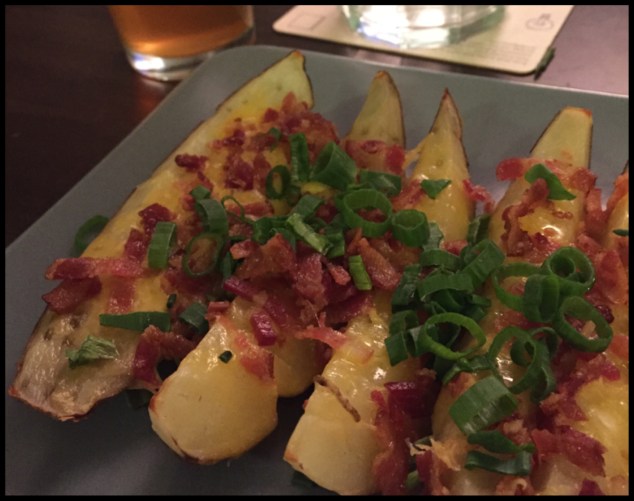
The half-pound of bone-in short rib purchase looks somewhat scant, but for a single pizza it proves to be plenty. To keep to the classics, mashed potatoes a la sous vide seems a fitting accompaniment for the ribs. Getting saavy with russett potatoes, the outsides are cut for potato skins for immediate enjoyment.

JPEG image-4BBC6C8C7E53-1

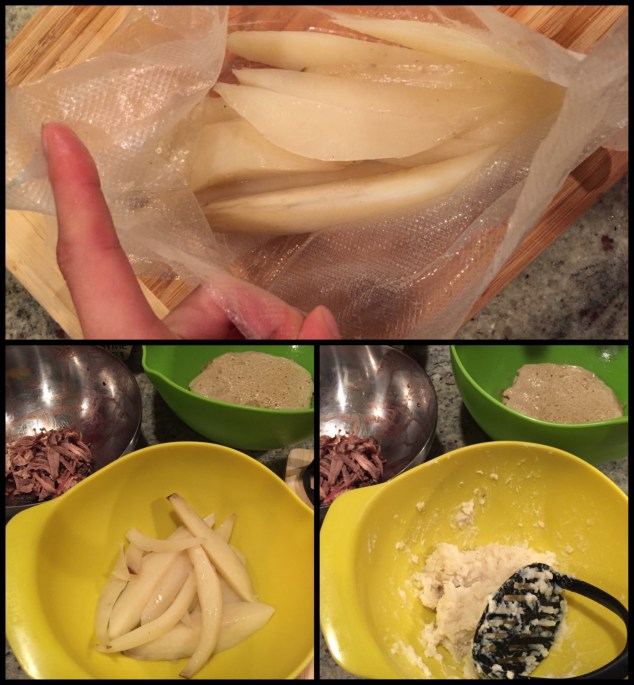
Meanwhile, the fleshy insides were wrapped up and tossed into the sous vide in the final hours of the short ribs’ bath. After taking the short ribs out to begin building the sauce, I upped the temperature to 90°C for the final 20-30 minutes for the potatoes to soften just enough.

JPEG image-FCDF5B8B49C3-1

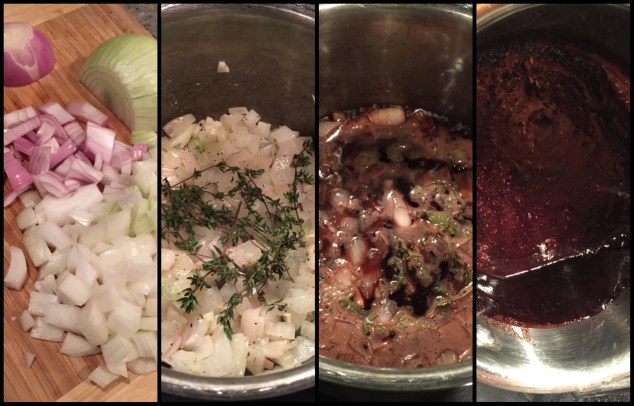
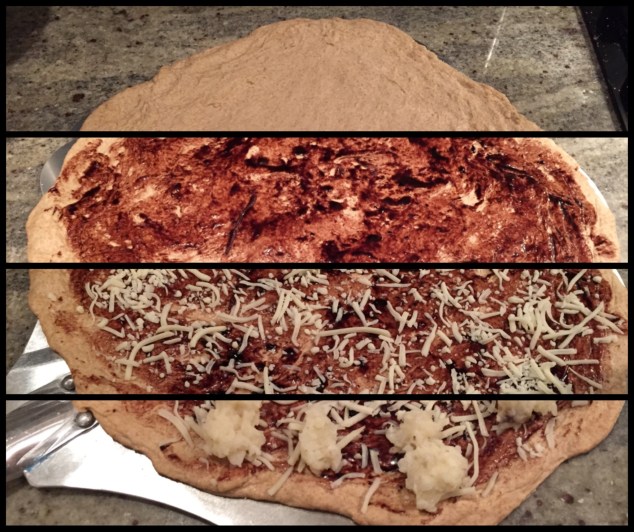
For the sauce, I made a red wine reduction steeping yellow onions, shallots, garlic and thyme aromatic richness while amping up the savory elements by adding in short rib juices, duck fat and a quick dribble of sherry vinegar.

IMG_7006While the reduction finished, I shredded the short ribs and hand-mashed the potatoes to a chunky texture.
IMG_7007

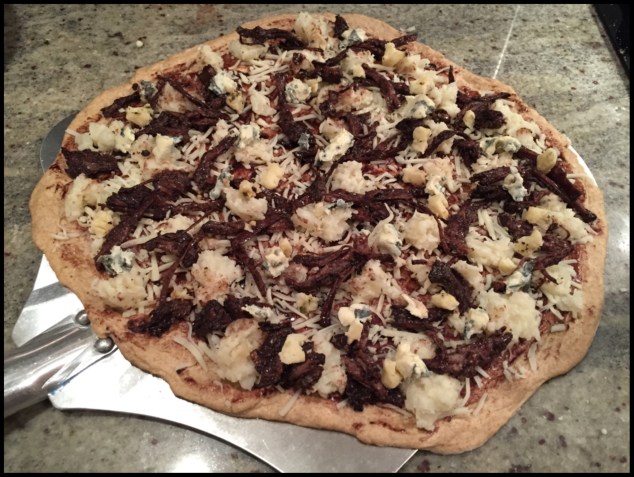
Preheating the oven to 550°F with pizza stone in place, I rolled out a homemade whole-wheat dough and built the pie using the reduction both as a sauce and a short rib glaze.

JPEG image-094393330047-1

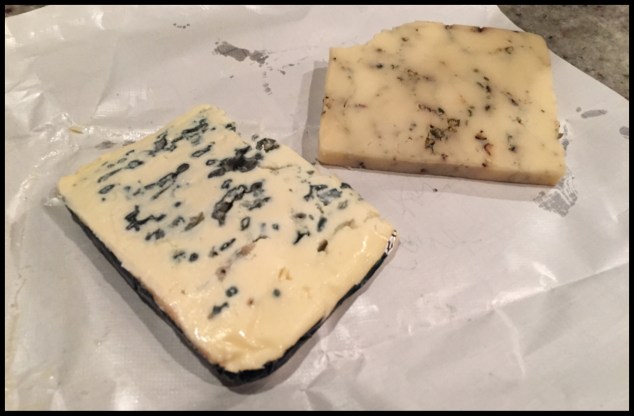
To accent the mozzarella base, I topped off chunks of St. Agur, a winner of a blue cheese, and Marco Polo, a cheddar that derives its personality from cracked green and black peppercorn.

IMG_7008

When it came time to pop the pizza into the oven, I realized I had made a huge mistake. The weight of the ingredients and the crust itself can be enough to cause the dough to stick to its resting place, especially when not enough flour and cornmeal is used in preparing the peel. This can also be remedied by using parchment paper.

The whole night’s effort came dangerously close to getting scrapped, despite having poured all of the ingredients into the one pie. Fighting to maintain an already strained patience, I managed to salvage the majority of the pie, cutting off a crescent sliver, which eased my ability to flour underneath section by section until the pizza came loose from the peel.

IMG_7009

The end result is not the prettiest, but the flavors are still in tact. With eyes closed and wine in hand, the end result is still rather satisfying.

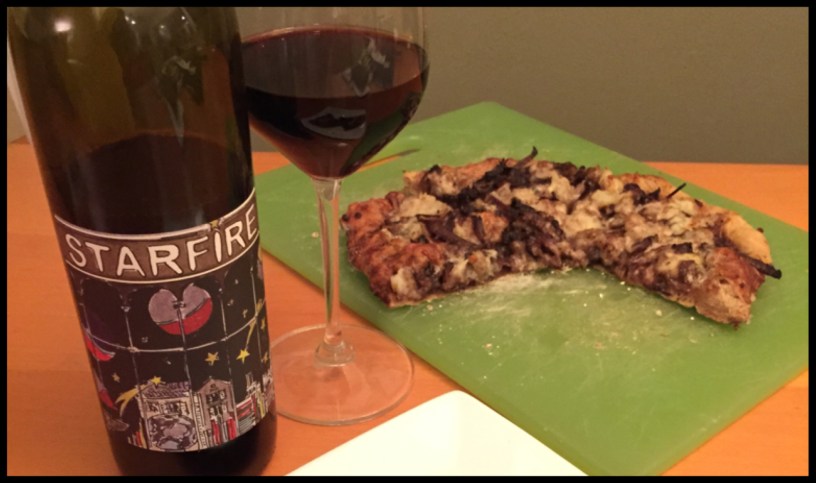
With notes of peppercorn and savory richness, this pizza calls for a bold red with the same kind of instant gratification that comes with comfort food built upon comfort food. Starfire (Columbia Valley, Washington 2006) is a fleshy, indulgent Bordeaux blend with a moderate range of more exotic aromas such as black licorice, fresh mushrooms and wet forest leaves. The splotches of blue cheese can be pushy and challenging, but the wine overcomes with creamy waves of plush dark fruit. The red wine reduction mirrors the inherent sweetness of the fruit while occasional bursts of peppercorn on the pizza enhance the earthy aromatics.

If I could change anything about this pie, I’d switch out the whole wheat flour for bread flour to gain a smoother texture, distracting less from the winning topping here, the mashed potatoes. That and I would have remembered the damn parchment paper.

Week 1 – Soup: Tomato Soup & Pepperoni Twists

Thrilled to get a chance to expand my soup repertoire, I used this first challenge to hunt down a tomato soup recipe worthy of repetition, with or without its pizza flair. By using tomato as a base, the expansion into the pizza realm would be as natural as garnishing with cheese and croutons, which, while delicious, would be a snooze fest. Instead, I swam around the internet until I found a perfect companion for the tomato soup: pepperoni twists.

Having just discovered the outrageous beauty San Marzano tomatoes can bring to a sauce, I already had my main dancing partner in mind for this project. Since these tomatoes are not often found fresh, the canned version helps to significantly diminish the amount of prep work involved. Tomatoes and artichokes are the only canned produce items I keep stocked as they both are able to maintain the same quality as their fresh counterparts with the added bonus of minimizing kitchen labor.

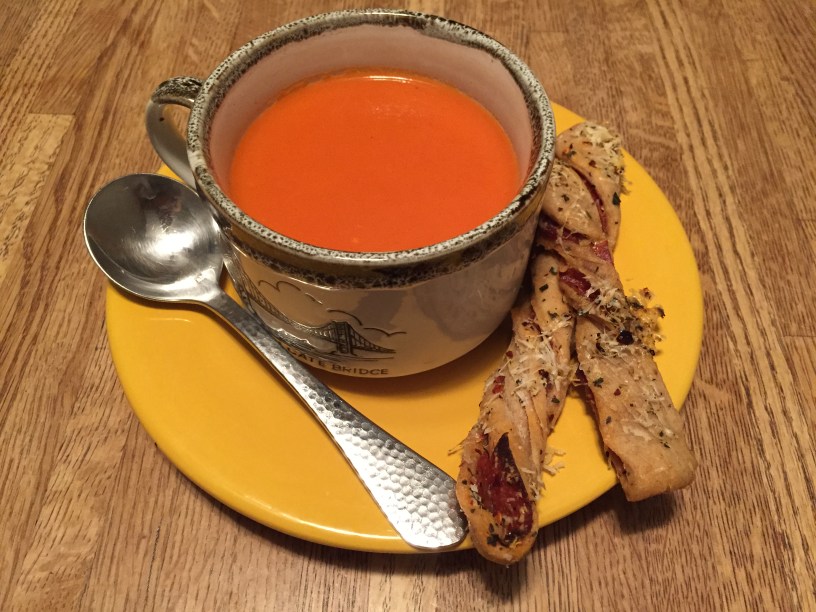
Wanting a basic soup to showcase the charm of San Marzanos, I worked off a Chowhound recipe, adjusting all the while to suit my fancy. A few springs of thyme were steeped during the simmer for a whisper of herbaceousness while I cut the cream altogether to keep the tomatoes singing brightly. To make up for the omitted liquid, I stretched out the soup with 1/2 a cup more broth.

tomato soup.jpg

Building the pizza dough from a Cook’s Illustrated standard found in The New Best Recipe, I chose to experiment with this batch using half bread flour and half whole wheat, resulting in a more textured but equally workable dough.

pepperoni prep

As for the pepperoni twists themselves, I kept true to much of the recipe, choosing to use an indulgent amount of pepperoni so as to pack in the pizza essence.

pepperoni twists

The marriage of tomato soup to pepperoni twists is straightfoward and obvious, yet so captivating. With each dip of bread, the sweet, meaty oil slick left behind infuses an attractive savory character into tanginess of the tomato. The fusion remains present in every spoonful to follow inspiring a pepperoni twist massacre.

Chosen to pair for its boldness of style and fresh acidity, 2006 Tenuta di Trinoro – “Le Cupole,” Rosso, Toscana IGT, Tuscany, Italy is a Bordeaux blend mainly featuring Cabernet Franc (47%) and Cabernet Sauvignon (30%). The decade of age has soften its edges, but the tannins remain firmly textured while the pairing proves to be just as hedonistic as the dish itself.

final pic

Having leaned a little heavy on the red pepper flake usage in both recipes, the heat from the spice lingers and challenges the weighty alcohol level of the Tuscan. Even still, the bolt of intense fruit present in the wine refreshes the palate with dominating aromatics of black cherries, cooked blackberries and vanilla. Notes of tar and dusty tobacco mirror the savory components brought on by pepperoni, though the pairing seems to thrive on the contrasting of elements.

While hearty enough to stand up to the aromatics of this dish, the Tuscan is notably enjoyable all by its onesie. Meanwhile, tomato soup may never seem complete without a batch of pepperoni twists nearby. They may be distant lovers, capable of existing apart, but there will always the memory  of those couple passionate, wintery nights by the fireplace being engulfed by a cold, hungry pizza kitten waiting for a shiny upvote to appear.

shiny upvote

Knowing future challenges will not be as forgiving, I am exceedingly pleased with the outcome of my first r/52weeksofcooking metatheme challenge. Bring it on, Week 2.