Week 18: Brown Bag Lunch – Homemade Lunchables Pizza

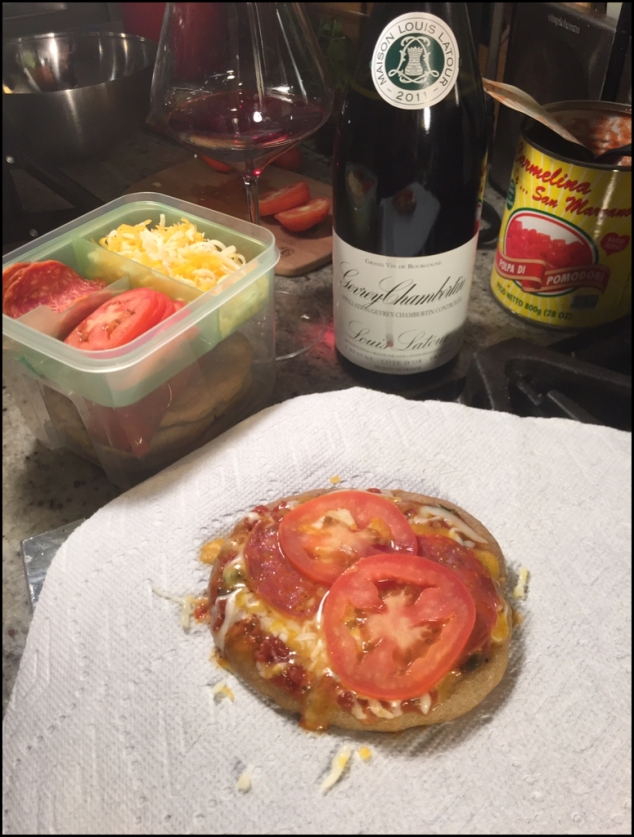
This week’s Brown Bag Lunch challenge dangled the opportunity to poke at my nostalgia buttons and I took a swing at my very own set of homemade Lunchables pizza. Overall, this was a very smart decision.

JPEG image-D70DB9C12195-1

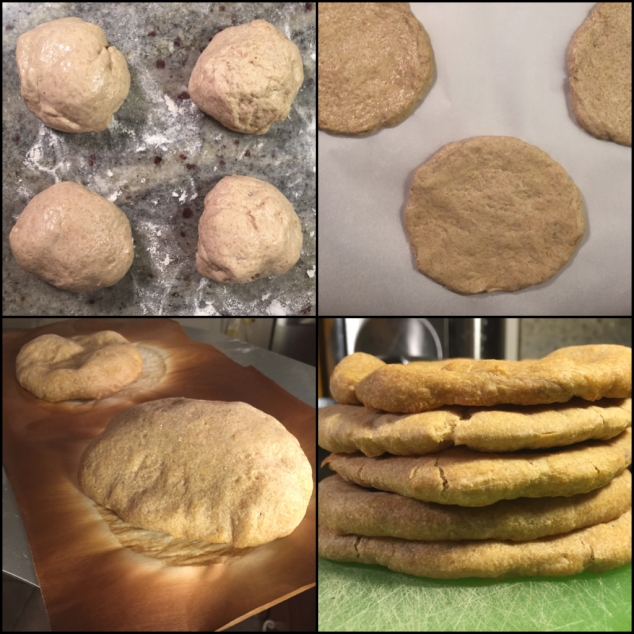
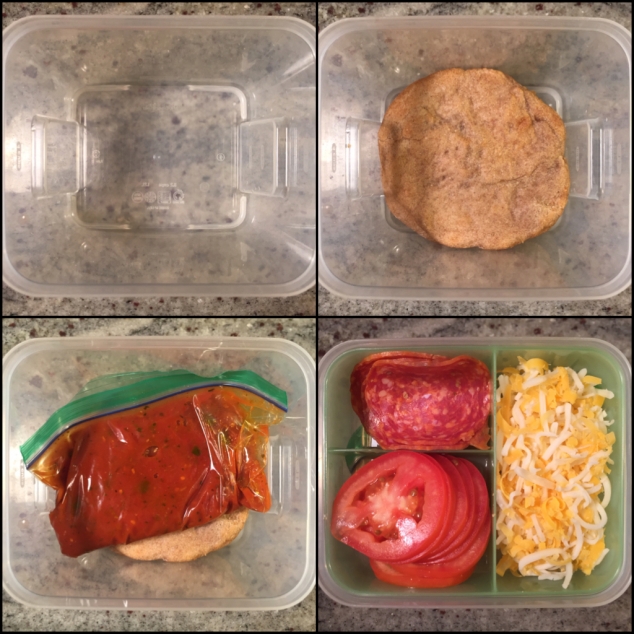
To begin, mini crust discs are made to fit the lunching tupperware I use on the daily for packing snacks for work. Puffing up in oven may be an issue, which can be remedied by a few stabs from a fork beforehand or a bit of pressure from above afterwards.

JPEG image-667A5B9143FA-1

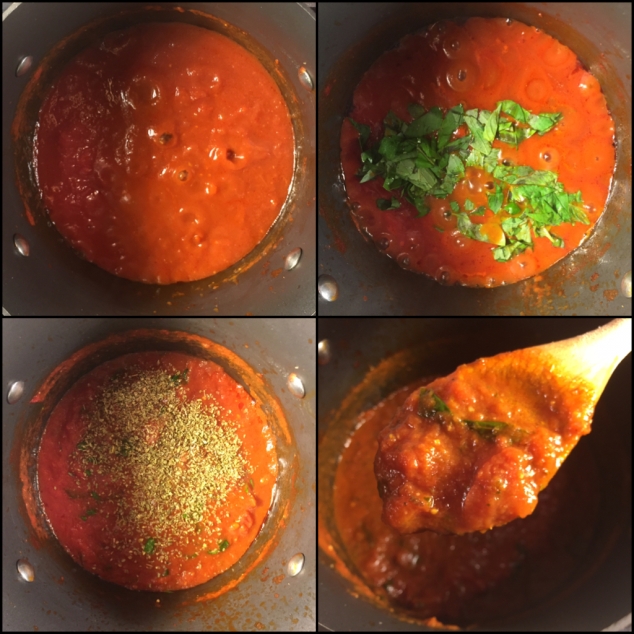
Next the tomato sauce is made by gently cooking garlic in olive oil and then dousing crushed San Marzano tomatoes into the pot for a quick simmer. Fresh basil and dried oregano make up the whole of the spices used.

JPEG image-7C5203FE6EBF-1

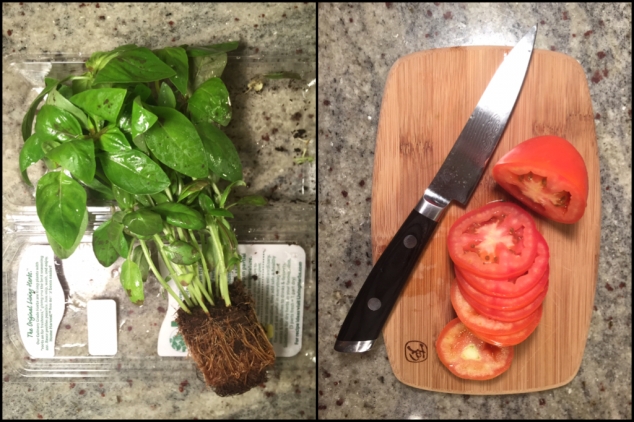
Raw ingredients may vary based on personal preference but fresh tomatoes and pepperoni are great toppings of choice.

JPEG image-2B3F662A6476-1

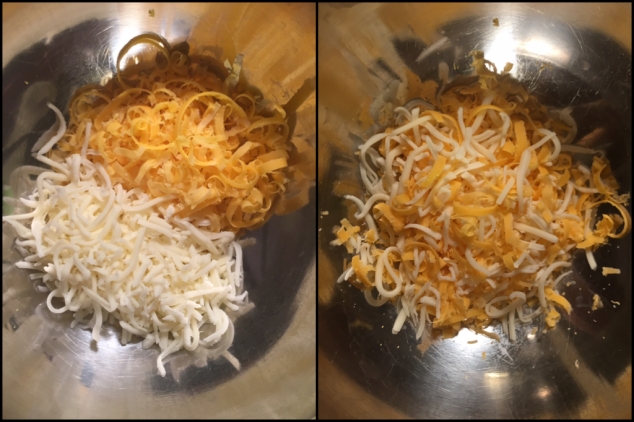
A quick mix of cheddar and mozzarella made for a wonderfully complex assortment of cheese aromatics. For further instruction on preparing a two cheese blend, this brief video guide can provide the necessary guidance for mastery.

JPEG image-207162CEF148-1

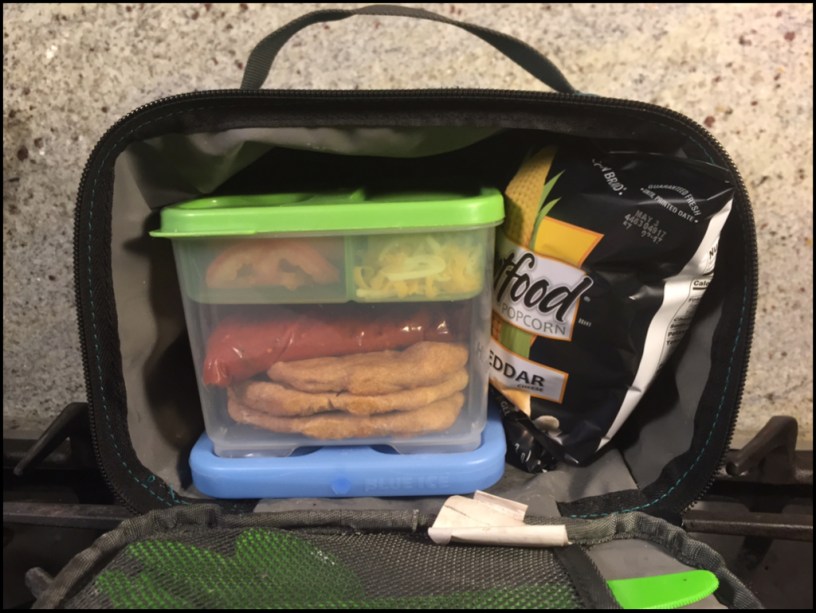
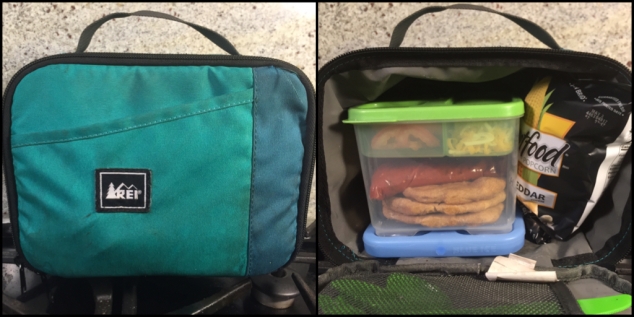
Staging is key in creating a bag meal experience. For the majority of my packed food needs, I turn to a set of Rubbermaid kits I found at Costco once long ago. They just happen to fit the REI lunchbag I bought just as long ago.

JPEG image-571E10EDD635-1

Being the responsible worldly thinker that I am, I chose to feature my handy-dandy reusable lunchbox as my “brown bag” for this project. Stocked with plastic utensils and an icepack, all this lunch needs is a nice view and a cool breeze.

JPEG image-9AA5B761F2AF-1

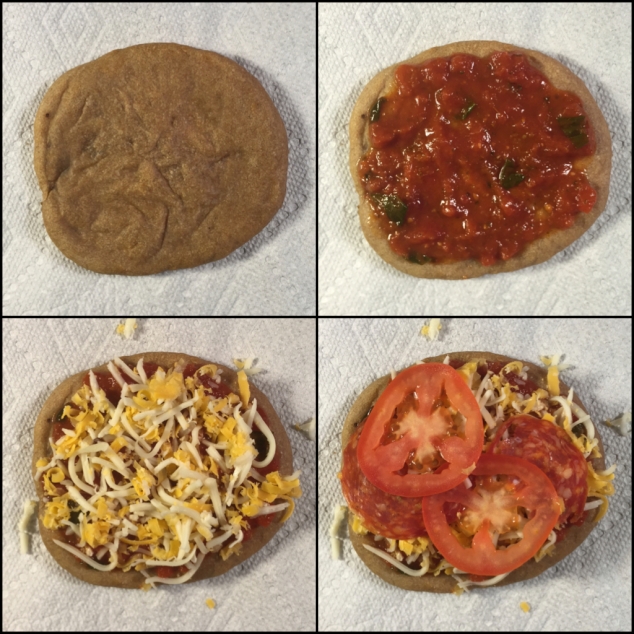
The build is simple. A microwave or toaster oven can zap this mini pizza into a blissful dance through a flavor meadow, but the extra effort can be easily overlooked when hungry.

JPEG image-79DD3F42BF33-1

If wine is an option, rosé or lambrusco can make a daytime meal sing. If a lunch is forgotten until the later hours, a Louis Latour red burgundy can transform a Lunchables adventure into an epic midnight snack.

Week 16: Root to Stem – Shaved Asparagus & Ricotta Pizza with Stem-Infused Whole Wheat Crust

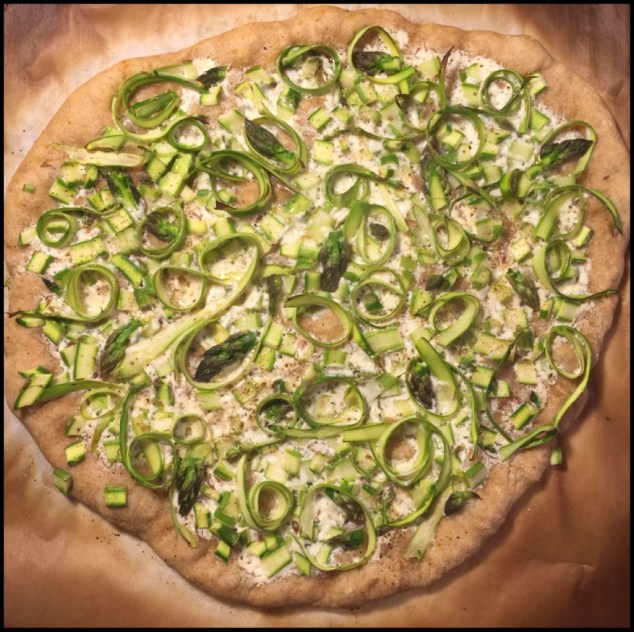
This week is a challenge that speaks directly to the most wasteful aspects of my cooking. While I do my best to make stocks out of bones and stems to feed my soup-making habits, my creativity stops there. The asparagus used to top this week’s pizza will find their cheesy ricotta home built above a crust interlaced with nutrients leached from their usually-discarded stems.

IMG_4741.JPG

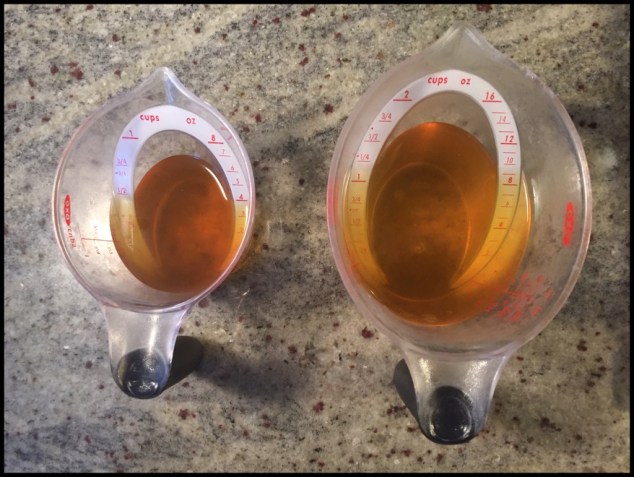
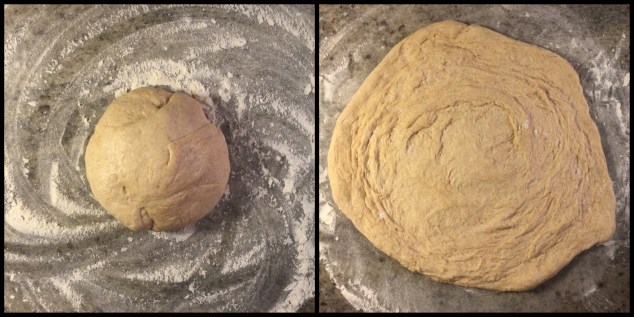
The process was as simple as using a stock created from the stems to substitute for the water used in the crust.

IMG_4744

From here, regular pizza-making resumed. The yeast frolicked in the warm asparagus water that made up their new home and went about business as usual.

IMG_4743

With extra nutrients fortifying the dough, I decided to make a whole wheat flour to create as healthy a pizza package as I could stand without stripping away the essentials.

IMG_4746

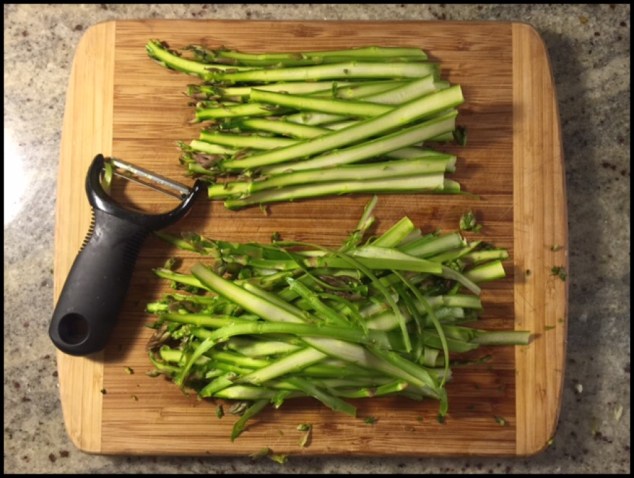
Shaving the asparagus was both equal parts time-consuming and oddly-satisfying. There are core portions that could not be shaved down due to mechanics, thus they were chopped up for additional texture.

IMG_4748

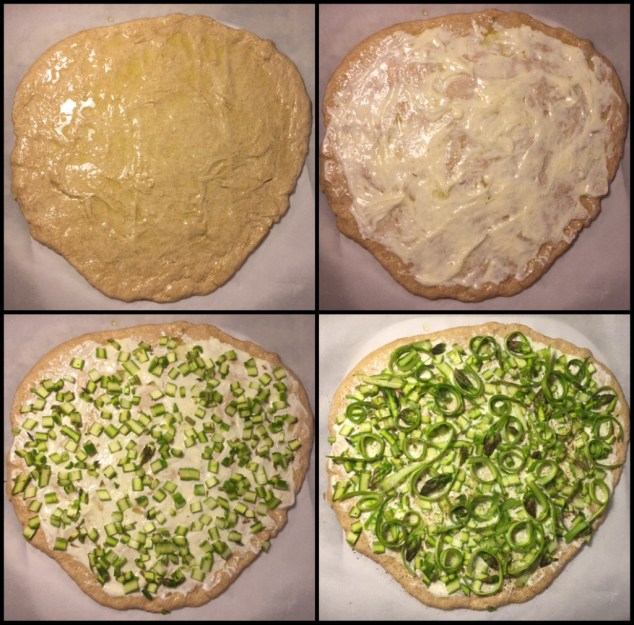
The cheese was a simple mixture of ricotta, lemon olive oil, lemon zest and lemon juice.

IMG_4747

The lemon olive oil can really help make any citrus flavors pop. I used it as the base sauce for the rest of the flavors to play off of.

IMG_4750

At 550F, pizza doesn’t take much longer than 8-10 minutes in the oven.

IMG_4751

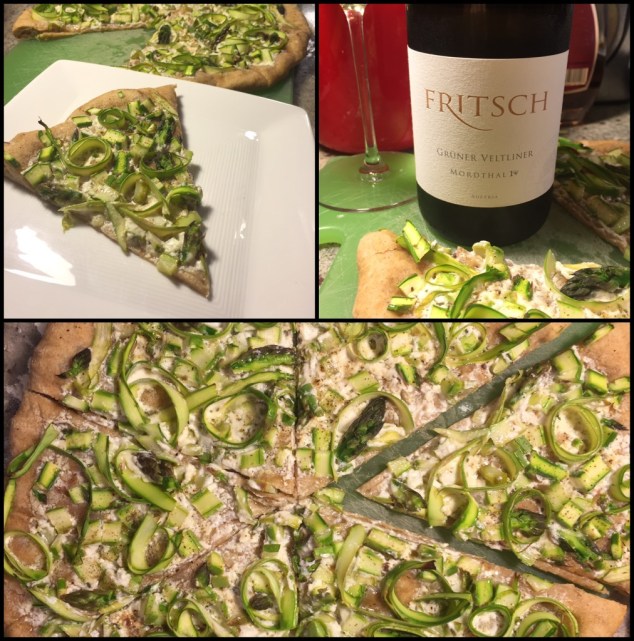
The crust was perfectly chewy with a light crisp to the bottom. To keep the texture more appealing, the shavings of asparagus were each swirled into a gusty little toppings, which were admittedly rather time-consuming to stage as well.

IMG_4752

The effect was worth the effort.

IMG_4755

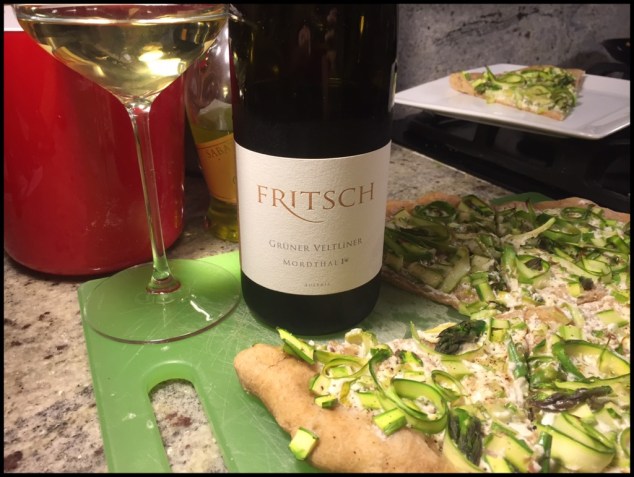
With a dab of coarsely-ground black pepper on top and wine nearby, these puppies were ready for quick consumption.

IMG_4754

The wine was a Gruner Veltiner, chosen for the qualities it would mirror in the pizza, such as the waxy vegetal notes, peppery aromas and the overall clean style. Neither of the two survived the night.

Week 15: Brazilian – Cast Iron Chicken, Requeijão & Heart of Palm pizza

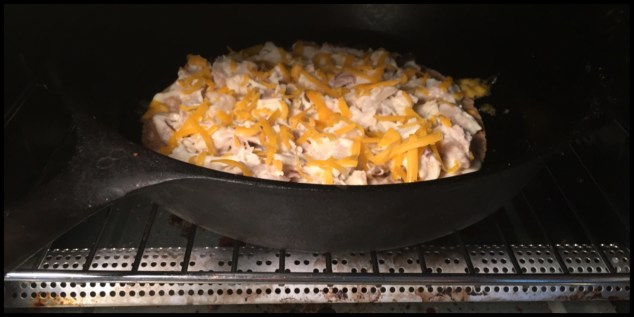
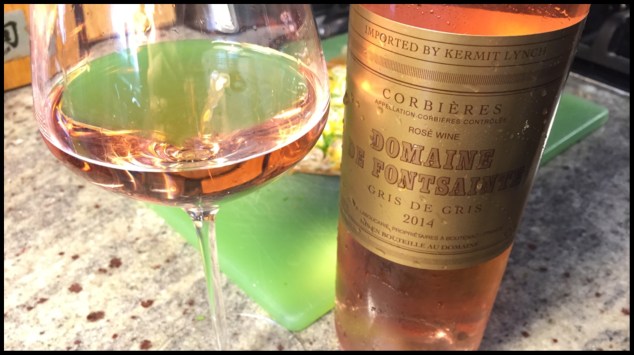
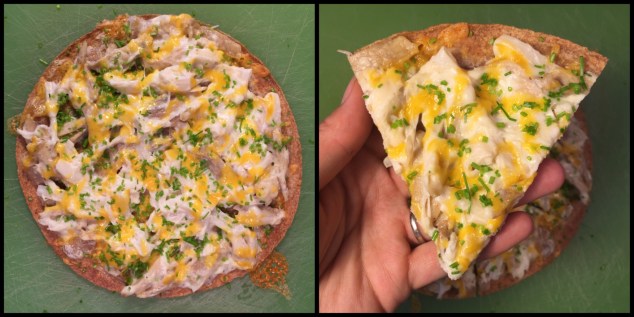
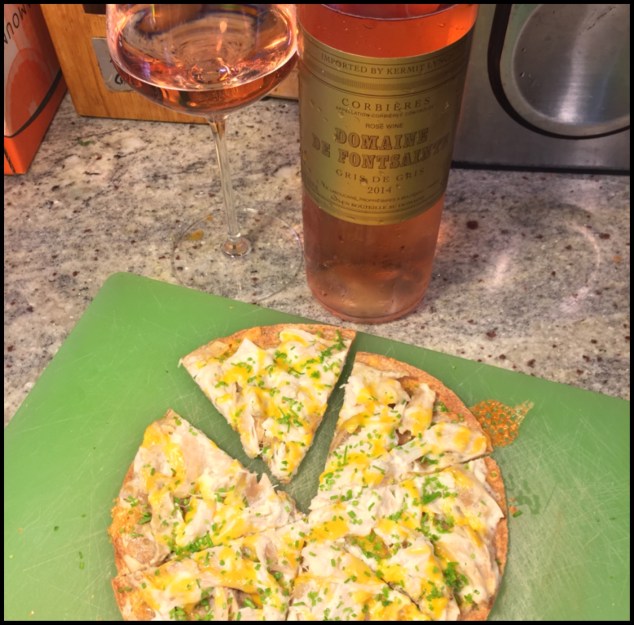
To knock out a killer Brazilian-themed dish the week of my wedding, I decided to make a quickie cast-iron pizza using ingredients sourced from a gem of a shop selling all things Brazilian cuisine. Using shredded roasted chicken, requeijão and heart of palm, I constructed a delicious tortilla pizza, which was then paired with Provençal rosé that was to be served at my wedding two days later. The picture parade to follow will have just a brief overview the details of each step involved.

IMG_1786 (1)

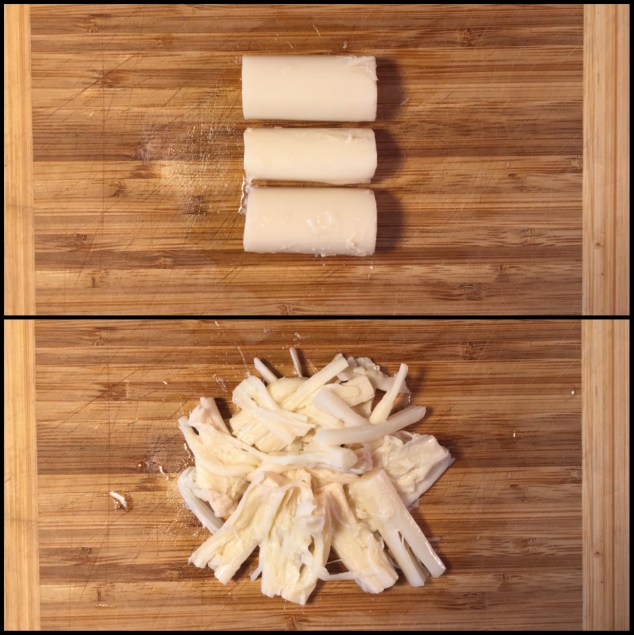
Requeijāo cheese is a gooey, mild cheese adored in Brazil with many uses. Heart of Palm seem to have a fanciness to them I don’t yet quite understand. Working with both is a treat since I really don’t know what I’m doing even a little bit.

IMG_1788 (1)

The heart of palm seems to break apart in a rather satisfying way. The goal here is to blend it alongside the pulled chicken for a streamless sense of texture.

IMG_1791 (1)

With chicken and heart of palm combined, a little cheese is added and the whole is mixed for consistency.

IMG_1787 (1)

The tortilla is placed over a well-warmed skillet and topped immediately: first with a coating of requeijāo cheese, then the bulk of the payload, then a sprinkle of cheddar.

IMG_1792 (1)

Once dressed, the skillet is taken off the heat and placed in a pre-warmed toaster oven of 400 degrees F.

IMG_1793 (1)

For funsies (and tasty green notes), fresh chives are chopped for the final plating.

IMG_1795 (1)

Meanwhile, rosé is popped to accompany such a quick, light meal.

IMG_1794 (1)

Mmmm.

IMG_1797 (1)

There’s no other way to be.

Week 11: Malaysian – Chicken Curry Roti Canai pizza

To slam dunk this week’s challenge, I took on two Malaysian standards that are often served together and used kitchen wizardry to morph the duo into a pizza. Roti canai, a ghee-heavy flatbread designed to trap pockets of air between thin layers of dough, is an ideal base for a pizza. Its usual partner, chicken curry, makes for a topping worth exploration. To begin, I slathered myself with ghee and dove into making roti canai from this very detailed recipe.

Roti Canai
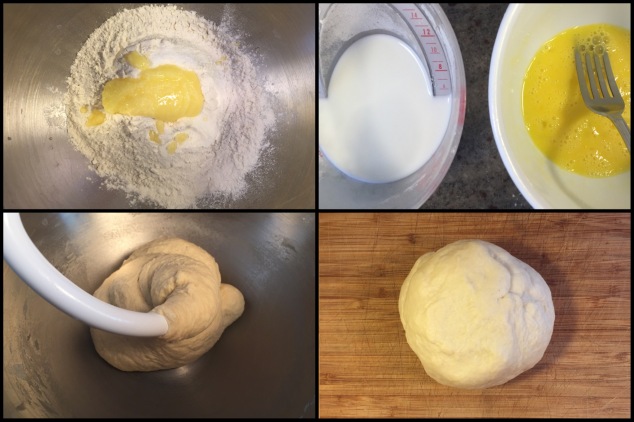
IMG_1282

The formation of the dough is rather straightforward, requiring much kneading to acquire an incredibly smooth texture and a minimum 6 hours of resting time before the shaping begins.
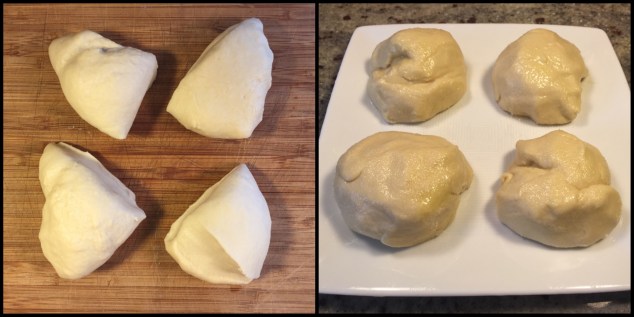
IMG_1283

Each batch produces many sets of roti canai, which are divided evenly before the dough is allowed to settle.
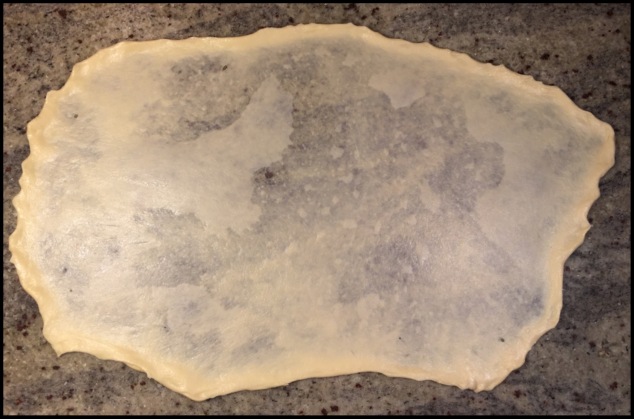
IMG_1285

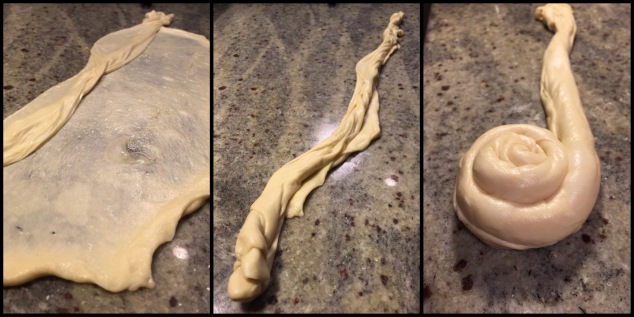
Each of these puppies has the ability to stretch out mega thin. Malaysian vendors keep some pretty dope moves to slap the dough into shape. Incapable of such performance, I managed to coax out a set of comparably paper-thin dough sheets with some delicate moves.
IMG_1284

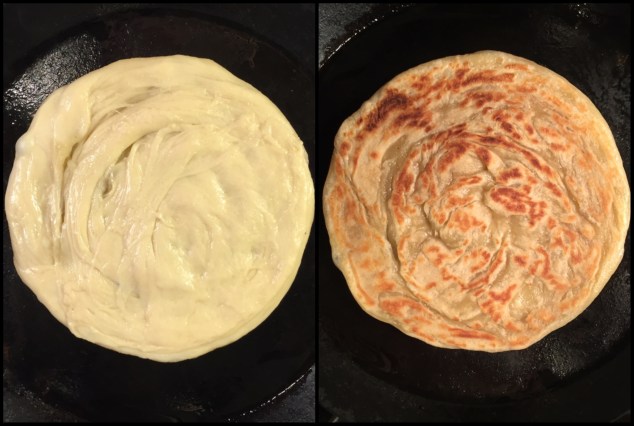
Once stretched out, the paper dough is folded over itself to create air pockets and then swirled into a disc. This little creation sees a brief resting period while a pan gets hot on the stovetop.
IMG_1286

These wound-up formations offer some resistance to stretching despite their original malleability. Stretching the dough by hand offers a small amount of give but the final shaping is best accomplished immediately after the dough is placed in the pan. With a ghee-greased spatula, the roti canai is untraditionally smashed and flattened into the sturdy, circular shape that is required of a pizza crust.

After building the roti canai, I turned to a BBC curry recipe for the majority of my cooking guidance.

Chicken Curry
IMG_1270 3

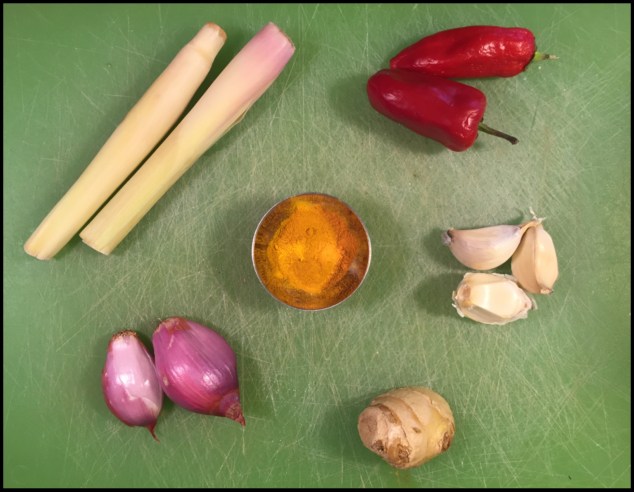
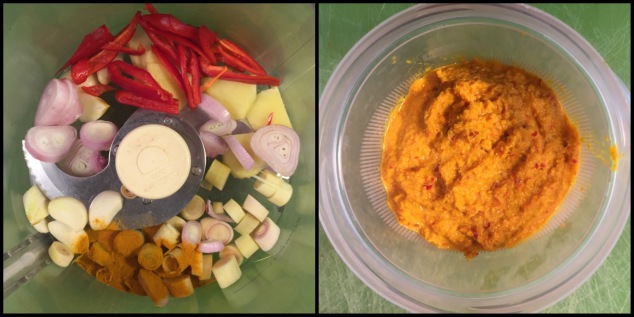
The process begins with making a curry paste made up of a good majority of the stronger aromatics that will be experienced such as turmeric, ginger, lemongrass and red peppers.
IMG_1271 3

For those enamored with tradition, a mortar and pestle can do the work of a food processor with the addition of a few extra minutes and intensive upper body labor. I opted for the wine-sipping version of this pummeling session.
JPEG image-E1F33FD28D1C-1

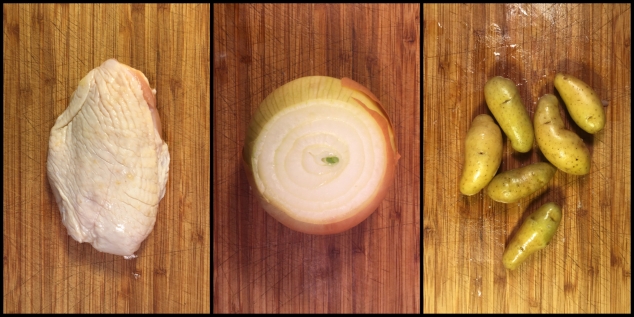
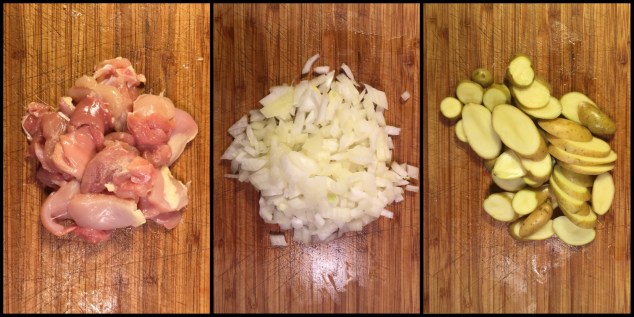
The bulk of the curry consists of chicken thigh, onion & potatoes.
JPEG image-AC27B6E693C2-1

These additions will be the main pizza toppings and act as a curry delivery system as they will be slathered in it.
JPEG image-7DA85239A472-1

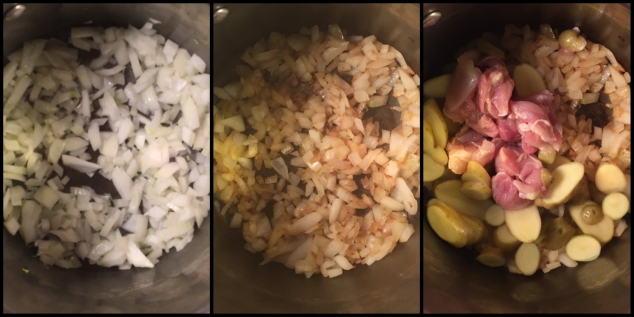
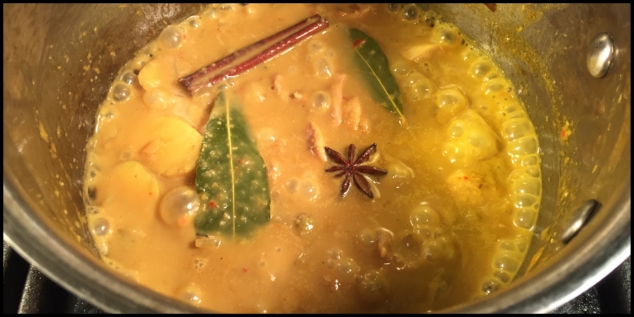
The onions are allowed to soften and become fleshy before adding in the chicken, potatoes and the remaining pieces of the curry, which include coconut milk, chicken stock, soy sauce and final spicing agents. Cinnamon sticks and star anise offer surprisingly subtle but necessary aromatics. To make up for a lack of kaffir lime leaves, bay leaves and lime zest were used after finding this helpful substitution guide in a sea of unhelpful websites insistent that there is no worthwhile alternative to the real thing.
JPEG image-21F409748C94-1

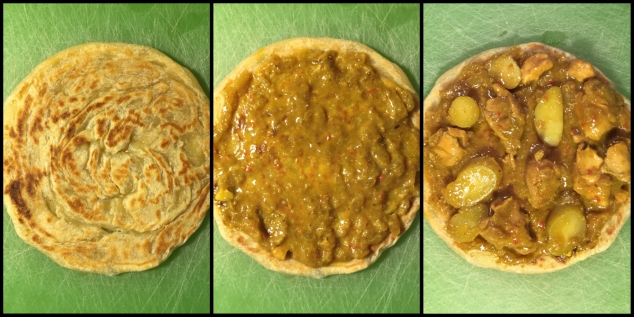
To keep the curry sauce tight, I reduced this batch down a good amount so that the pizza would not be dripping over the sides when applied.
JPEG image-8EC317DEF084-1

The pizza formation was pretty straightforward once the cooking was completed. With every element made fresh, no time in the oven was needed and the dish was served hot.
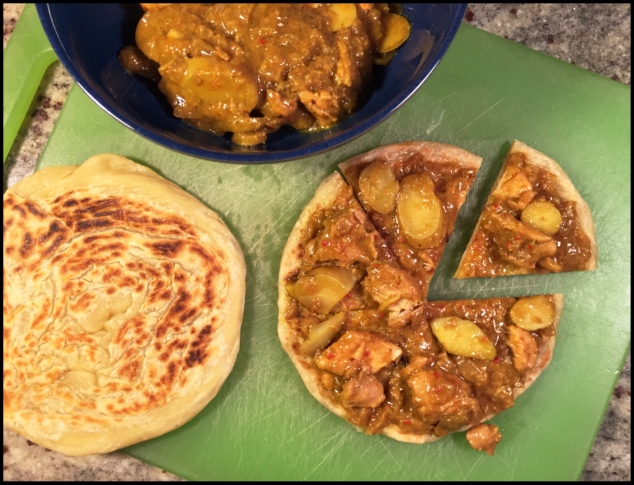
IMG_1298

The experience of eating this pizza was more satisfying than anticipated, especially in terms of texture and integration of flavors. The dough was so thrillingly soft and chewy while the chicken and potatoes were tender but able to add character. The heat didn’t jump out but rather mingled with the rest of the components, and the sauce was boldly savory without any one aromatic dominating. I devoured two sets of pizza in one sitting, but not without wine.
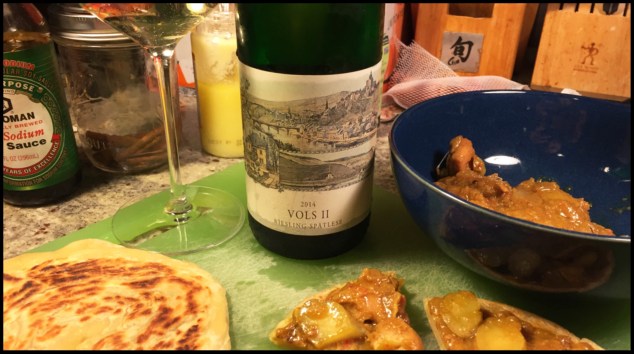
IMG_1300

To pair with the curry pizzas, Vols – “Vols II,” Riesling, Spätlese, Wiltinger Braunfels, Mosel 2014 had just the right touch of sweetness to combat the heat while its searing acidity cut through the richness of the coconut curry. The nose is flooded with petrol and lime zest while tart pineapple and brilliant slate minerality make up the palate. This is a beautiful wine all on its own but can really complete an experience, as it did here.

It’s successes like this that make me bananas for a group like r/52weeksofcooking.

kevin running wild


Week 10: Braised – Beet, Fennel & Goat Cheese Pizza

This week’s braising challenge is a considerably useful method of cooking that has only come up in our kitchen when brussel sprouts or potstickers are involved. In the case of the former, brussel sprouts had long baffled us as to how to best cook them without a long roasting process. Braising allowed for a quick sear to create the tasty bonus flavors offered by the Maillard reaction while accomplishing the tenderness sought out at a fraction of the time it would take in the oven.

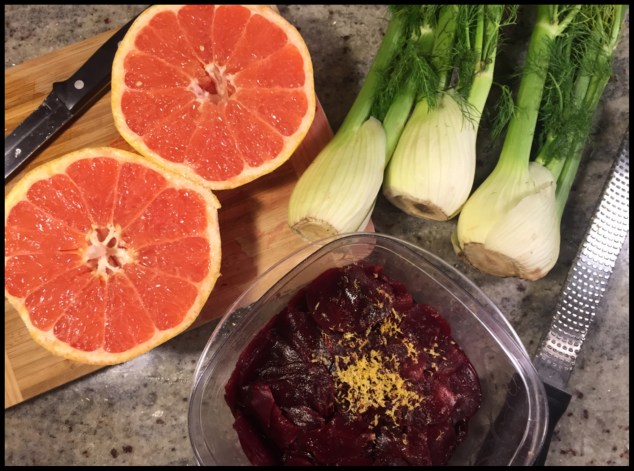
For this pizza, I chose to discover the braising potential of fennel, a hardy root vegetable that can charm or dissuade any indulgers with its vibrant anise aromatics. Having only recently succumbed to fennel’s appeal, I am still in a rather obsessive phase that peaked this time last year with my addiction to fennel & grapefruit soup. Here, the flavors of fennel and some of its dear friends will come out and frolic.

JPEG image-C25B6172F98B-1

Sharing the spotlight on this pizza is fennel’s root vegetable buddy, beets. Even in the grocery store, they are already rather neighborly.

JPEG image-70B66FBBD467-1

With the help of a mandoline, roasted beets were thinly sliced and prepped for a marinade.

JPEG image-F04899F8D068-1

Before juicing the grapefruits for the marinade, I included the grapefruit zest to allow the tart flavors to pop. A splash of red wine vinegar helped bolster the marinade.

JPEG image-1A8B4A3D2C9F-1

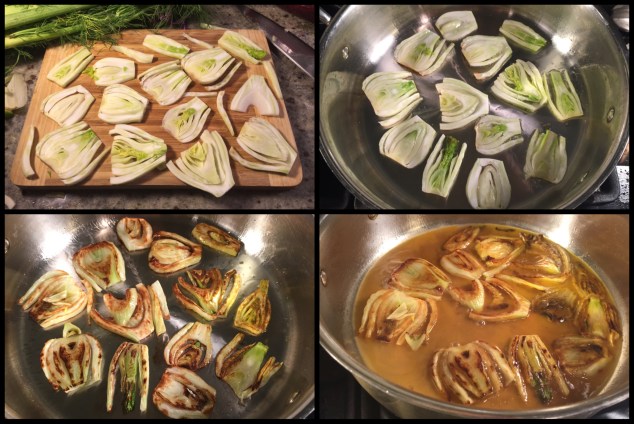
When it comes time to braise the fennel, only the bulbous base was used while some of the fronds were reserved for the final plating.

JPEG image-61067E68401D-1

Using a knife this time, I sliced the fennel carefully so as to best preserve the architecture within. During cooking, each portion was flipped methodically with tongs to keep the structure in tact for the final presentation.

JPEG image-32E43613E24F-1

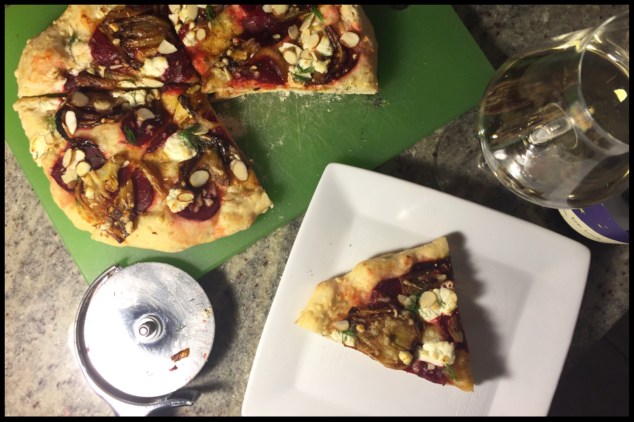
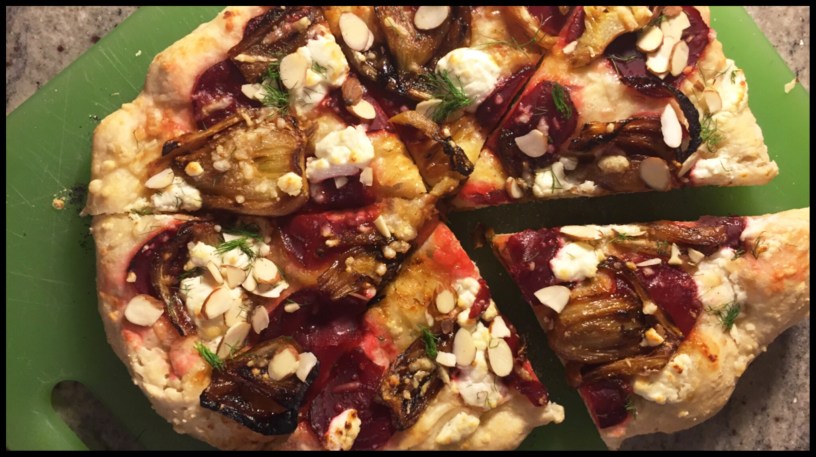
The pizza was built using a somewhat puffier crust that had boiled potato shavings folded in for a fluffier texture. The final toppings included the grapefruit-marinated beets, fennel, goat cheese and a sprinkle of mozzarella. Shaved almonds and fennel fronds dressed the pizza upon its completion.


JPEG image-FDAAB1B2E29A-1

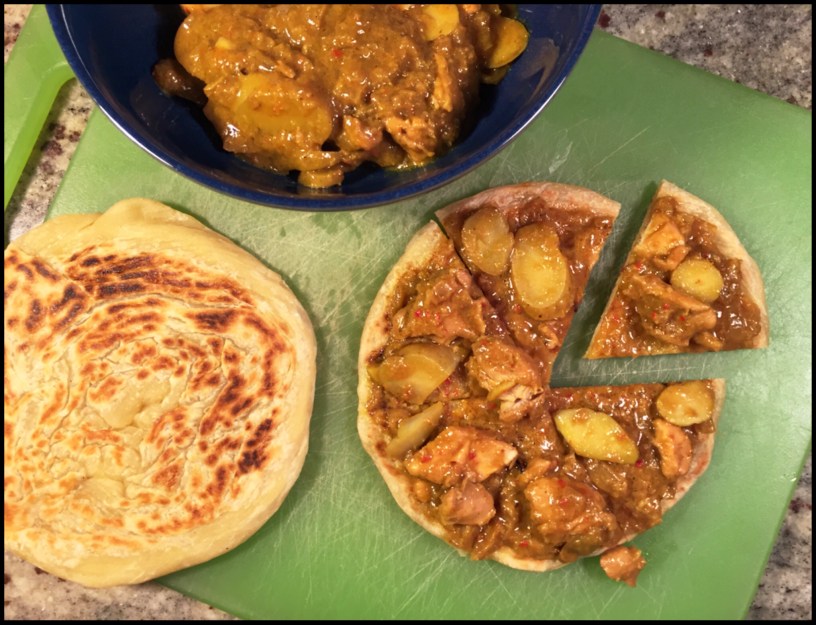
While keeping an array of fun flavors, this pizza lacked a sense of moisture as its creator didn’t think to incorporate some semblance of a sauce. Taking a cue from the clam pizza from last week’s challenge, a quick spritz of the beet marinade may have saved this pizza from its shortcomings. Beyond this, the flavors meshed well enough to be completely devoured, but there was a certain integration lacking. The wine, in this case, helped bridge some missing links in the dish.
JPEG image-D1CB22A2290D-1.jpeg

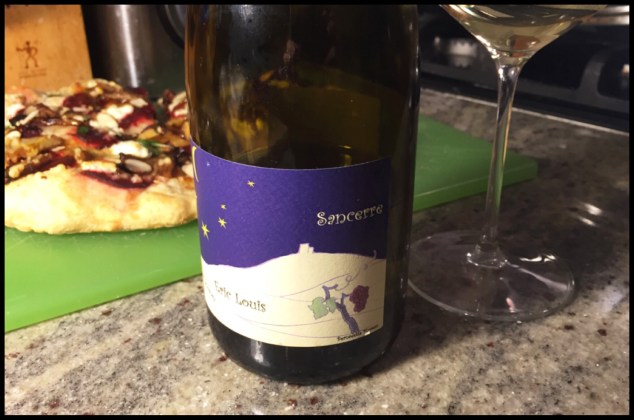
Chosen to pair with this pizza, Domaine Eric Louis – Sancerre, Loire Valley, France 2014 keeps a fresh and lively style of Sauvignon Blanc behind its cutesy Little Prince-esque label. Its natural affinity for goat cheese is aligned with a geographic history within the Loire Valley. The region’s Sauvignon Blanc has been enjoyed with the local and abundant goat cheese for so long it seems almost too perfect, and yet it is one of the few true classic pairings that is cherished for its simple dance of tangy, refreshing flavors. The aromatics of the Sancerre pile onto the flavors of grapefruit and herbaceousness in the pizza with a similar roar but the bitterness found in lingering after each bite admittedly might be better managed by the roundness of a slightly off-dry Riesling.
JPEG image-77FC9F2C4E3D-1.jpeg

Even still, neither pizza nor wine made it through the night.

Week 9: From A Can – White Clam Pizza with a can of rosé

For this next challenge, “From a can,” I decided not to indulge in my favorite pizza standard of artichoke red pie, despite the use of both canned tomatoes and artichokes. Instead, I took on a pizza that I had never dreamt of making: white clam pizza. URBN Coal Fire Pizza/Bar in North Park, San Diego boasts a New Haven-style, thus features a classic clam pie. It’s the perfect pizza to order for lunch on a Sunday with a glass of Provence rosé.

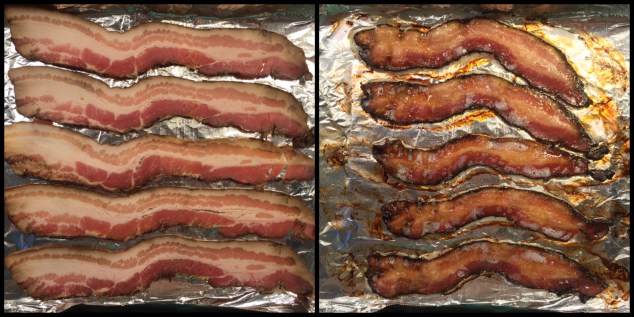
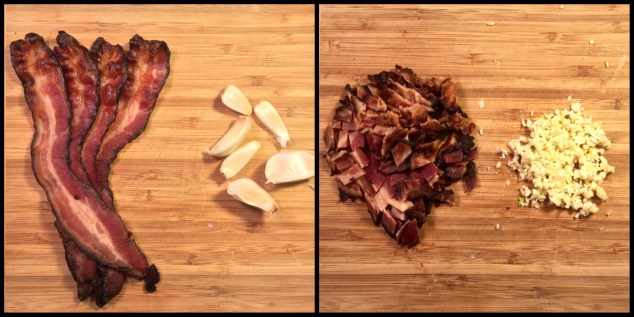
I generally operate under a zero-seafood-from-a-can policy when I cook so I’ve decided to slap on some bacon for a bit of flavor insurance.

JPEG image-816B75937432-1

Bacon offers unity between land and sea and, for those iffy about clams on a pizza, it can become the focal point of the experience.

JPEG image-788B180C7962-1

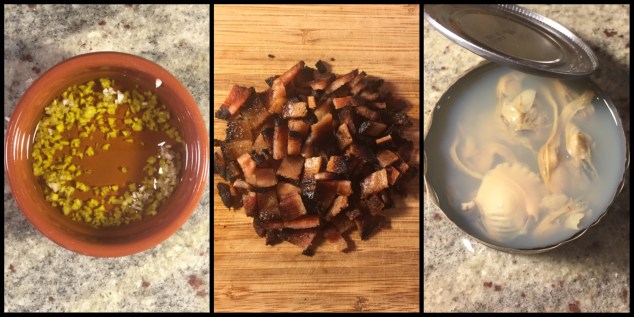
Garlic is the perfect aromatic to go alongside seafood so an abundance is used to coat the base.

JPEG image-F5E626A4E1E7-1

Classically, fresh littleneck clams are used but since freshness is already being shunned for the sake of this challenge, the clam of choice is not a point of concern.

JPEG image-8600C3F43778-1

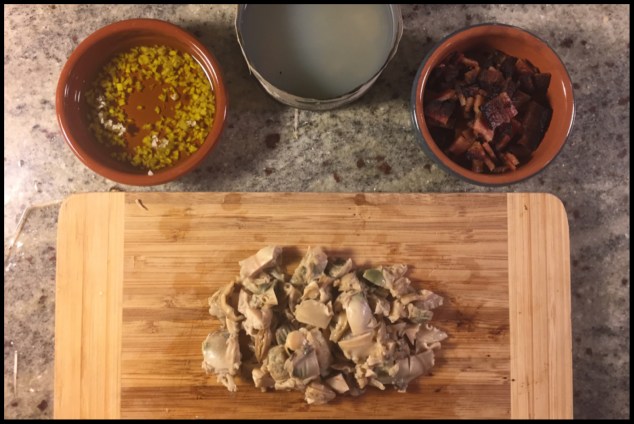
Ignoring how closely these clams resemble ID4 aliens sealed in an Area-51 tube once unveiled, these clams need to be coarsely chopped with the juice reserved for extra flavoring.

JPEG image-C3C0657DB819-1

Once outside of their murky clam juice home, these puppies look ready to hop on a pizza and snuggle up alongside some bacon.

JPEG image-DE0916D54A3D-1

The dough used is a 3:1 bread and whole wheat flour, which was rolled out as thinly as possible while the oven climbed up to a maxed out 550°F. When freshly made, this dough can insert a subtle yeasty sweetness in the pizza’s overall flavor.

JPEG image-E2303CD4082B-1

Using olive oil & garlic as the sauce, mozzarella provided a base of cheese and the protein followed with parmesan grated overtop. Most importantly, a couple spoonfuls of clam juice were sprinkled over evenly before popping this bad larry into the oven for 7-10 minutes.

JPEG image-CD07B18C5A9D-1

In keeping with theme, a can of Alloy Wine Works – Grenache rosé, Central Coast, California was the pairing of choice, harking back to my URBN clam pizza & rosé days. With underripe raspberry and white strawberry notes balanced by the hint of actual sweetness in the wine, this wine tasted like the can’s own promising of sour patch kids. The inherent saltiness of the pizza even further emphasized the fruit of this rosé but it was the wine’s waxy texture and fuller body that helped manage bursts of smoky bacon.

JPEG image-5BAED5A0789D-1

The briny flavors were well integrated with the garlic and bright, tangy parmesan with the occasional bite of sea water surprise that is likely inevitable with a dish like this. The pizza kept pillowy texture that stayed moist and fresh thanks to the addition of the clam juice on top, without which this pizza would be lost.

JPEG image-06A582C1A983-1

Nailed it.


Week 7: Air – Basil Foam Pizza Topping

For this week’s challenge, I dedicated some time to learning about modernist techniques for making foams and emulsions. After combing through stacks of online literature (like this, this and this), I managed to gain little confidence that some chemical tinkering would go without failure. And with that, I cannonballed into this project without concern for the outcome and came out lucky.

Basil Foam

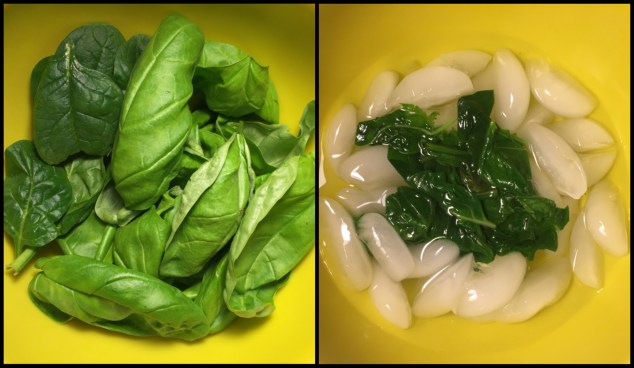
To begin, I blanched fresh basil leaves, and a few spinach leaves for extra color, before dousing them in an ice bath.

JPEG image-ACC4121DF625-1

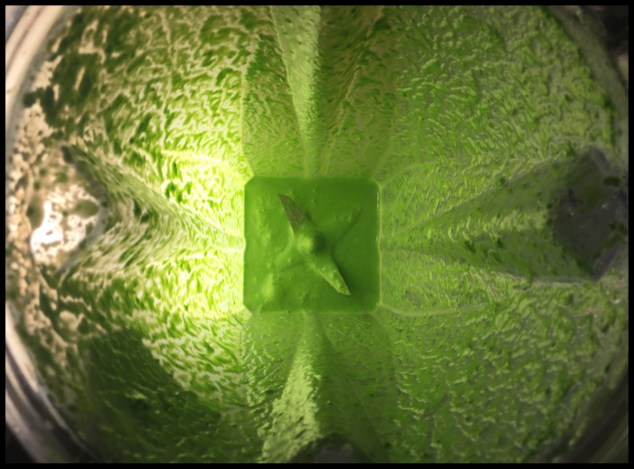
After wringing out the excess water from the leaves, I blended the leaves with a pinch of salt and a small amount of half and half, adding just enough to create a smooth liquid. I kept the additional cream to a minimum so as to maintain the concentration of both color and flavor in the resulting foam. This step required a few pauses to scrape down the sides of the blender for consistency, which probably would not have been as dramatic a task if I had made a bigger batch.

JPEG image-AF109A3BAC87-1

Instead of leaning on any one particular technique discussed in the molecular gastronomy websites, I went for a combo punch of ingredients that would undoubtedly turn this mess into some kind of foam. Any foam.

JPEG image-6CB4FF9F4DE8-1

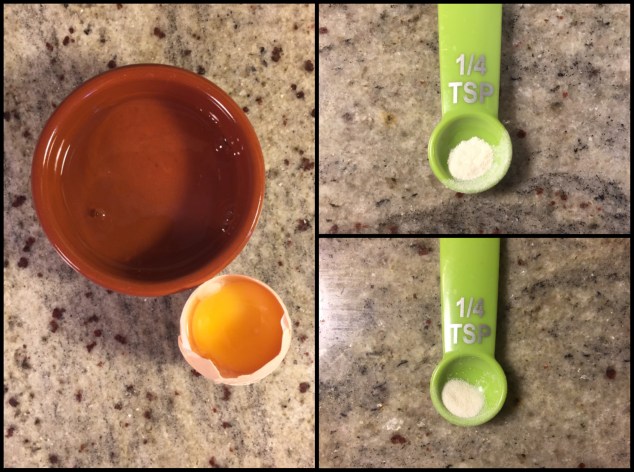
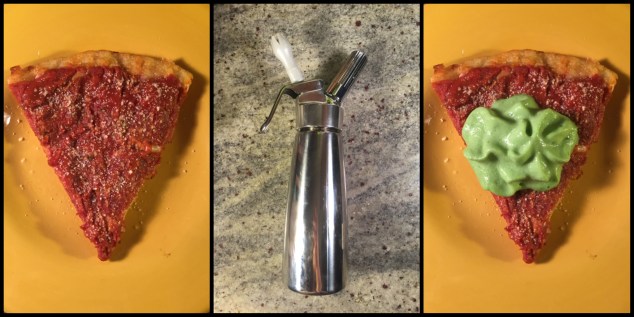
Adding in 1/16th a teaspoon of xanthan gum as a thickener and an egg white of one egg and 1/16 teaspoon of agar agar as stabilizers, I gave the emulsion one last blend before passing it through a sieve into an iSi whipped cream dispenser. After unloading two cartridges of nitrous oxide into the canister, shaking vigorously with each delivery, the iSi took a nap in the fridge while pizza was made.

JPEG image-3F1DF0B395BE-1.jpeg

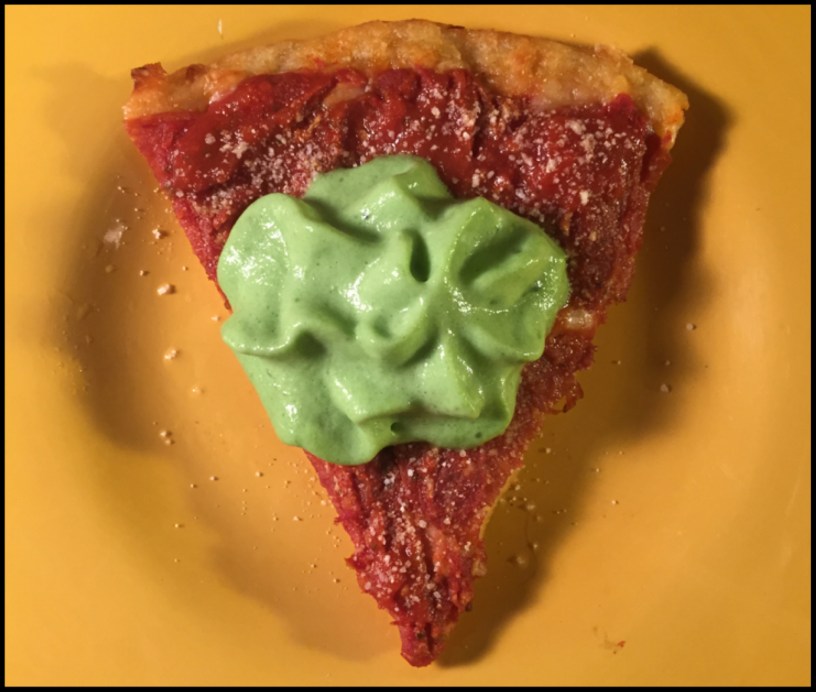
Basil works very well alongside tomatoes so I decided to flip this pizza onto its bottom and create an upside-down pepperoni pie with mozzarella spread right over the crust, followed by pepperoni and then heaps and heaps of freshly-made tomato sauce. Once out of the oven, the pizza was doused with parmesan and cooled slightly before basil foam was applied in the hopes of not deteriorating its delicate nature too quickly.

JPEG image-98413716BF70-1

The foam came out light, fluffy and of a satisfying shade of ecto-cooler green. The flavors remained fresh and leafy in its new form, which made a slice of pizza look like a crisply-wrapped present. Even when melted into alien goop, the foam was worthy of using as a dip for crust.

The pairing

With more herbaceous flavors to consider on a standard set of toppings, I wanted a wine to reflect the same green quality found on the pizza. Varietally known for its green bell pepper notes, Cabernet Franc from Bock (Hungary, 2011).

JPEG image-4F21BD74BE71-1

The wine was remarkably plush and easy to get along with, primarily flaunting juicy black cherry and raspberry notes with hints of chopped mushroom and fresh soil interlaced. Together with the pizza, the soft yet powerful style of this wine was able to match the richness of the tomato sauce and provide a backdrop of dark berry fruitiness for the herbaceous flavors to play off of. Not the pairing that was expected, but one that worked nonetheless.

JPEG image-958EDF549C46-1

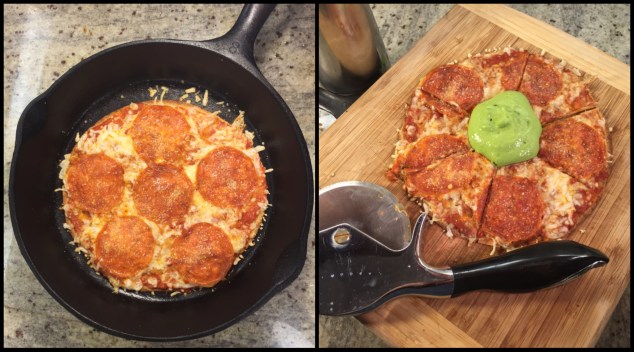
With a canister of basil foam hanging out in the fridge, even some everyday cast iron tortilla pizza can use a little pizzazz. Though the classic remain classics, I found myself continuing to reach for the iSi for that extra hit of flavor. It seems I’ll have to mark this challenge down as a success.

Week 2 – Sous Vide: Short Rib & Mashed Potato pizza

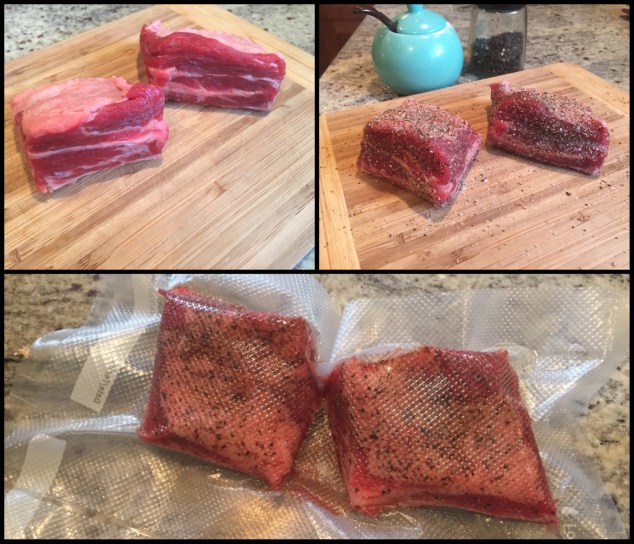
Upon the insistence sous vide websites or books everywhere, short ribs are the showcase piece for this next pizza project. According to these various resources, short ribs can take anywhere from 12 to 72 hours, depending on preferred texture.

IMG_7004

I decide to try a 72°C bath for about 24 hours so the meat would be just beginning to fall off the bone. As short ribs are new to my kitchen, a 24-hour projection allows wiggle room for mistakes, one of which almost flopped the entire pie in its final stages.

IMG_7005

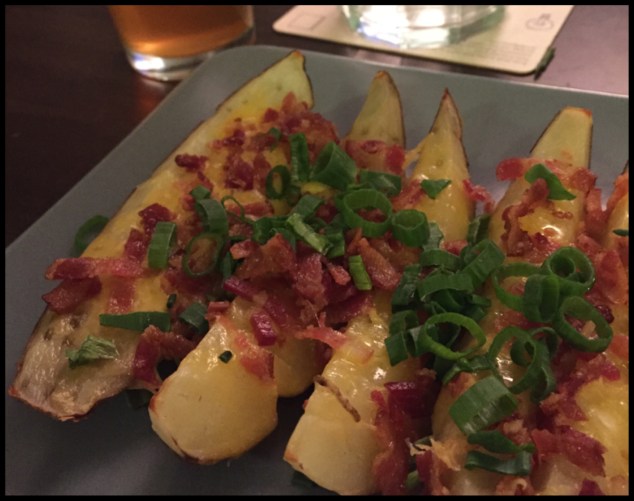
The half-pound of bone-in short rib purchase looks somewhat scant, but for a single pizza it proves to be plenty. To keep to the classics, mashed potatoes a la sous vide seems a fitting accompaniment for the ribs. Getting saavy with russett potatoes, the outsides are cut for potato skins for immediate enjoyment.

JPEG image-4BBC6C8C7E53-1

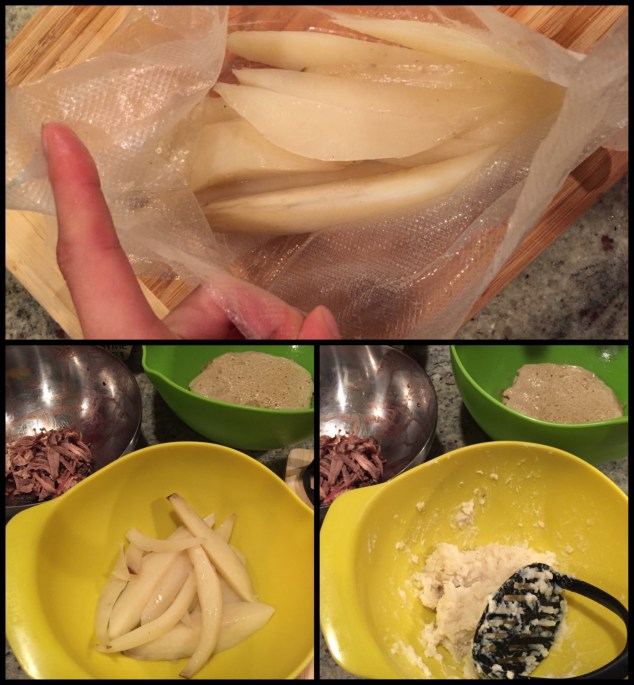
Meanwhile, the fleshy insides were wrapped up and tossed into the sous vide in the final hours of the short ribs’ bath. After taking the short ribs out to begin building the sauce, I upped the temperature to 90°C for the final 20-30 minutes for the potatoes to soften just enough.

JPEG image-FCDF5B8B49C3-1

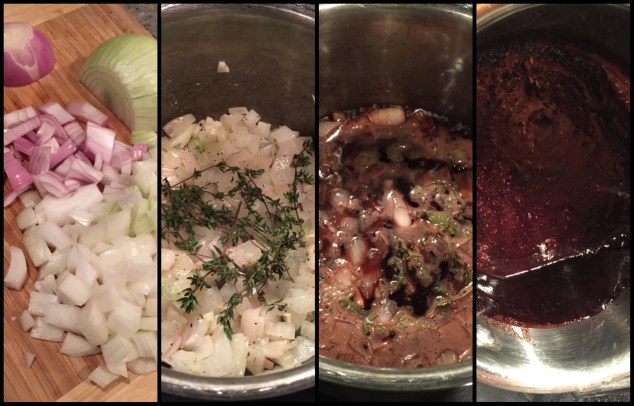
For the sauce, I made a red wine reduction steeping yellow onions, shallots, garlic and thyme aromatic richness while amping up the savory elements by adding in short rib juices, duck fat and a quick dribble of sherry vinegar.

IMG_7006While the reduction finished, I shredded the short ribs and hand-mashed the potatoes to a chunky texture.

IMG_7007

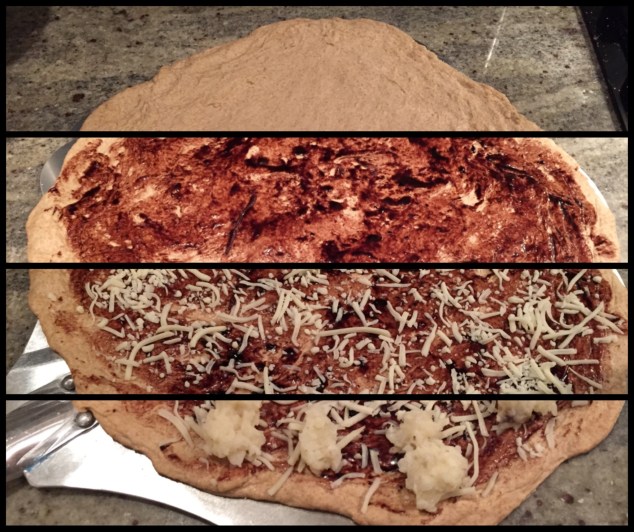
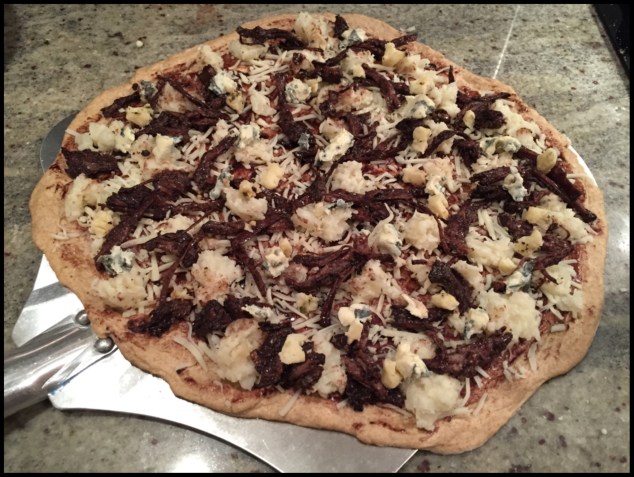
Preheating the oven to 550°F with pizza stone in place, I rolled out a homemade whole-wheat dough and built the pie using the reduction both as a sauce and a short rib glaze.

JPEG image-094393330047-1

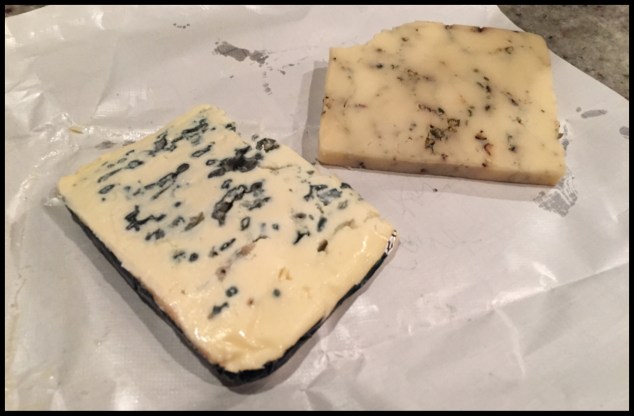
To accent the mozzarella base, I topped off chunks of St. Agur, a winner of a blue cheese, and Marco Polo, a cheddar that derives its personality from cracked green and black peppercorn.

IMG_7008

When it came time to pop the pizza into the oven, I realized I had made a huge mistake. The weight of the ingredients and the crust itself can be enough to cause the dough to stick to its resting place, especially when not enough flour and cornmeal is used in preparing the peel. This can also be remedied by using parchment paper.

The whole night’s effort came dangerously close to getting scrapped, despite having poured all of the ingredients into the one pie. Fighting to maintain an already strained patience, I managed to salvage the majority of the pie, cutting off a crescent sliver, which eased my ability to flour underneath section by section until the pizza came loose from the peel.

IMG_7009

The end result is not the prettiest, but the flavors are still in tact. With eyes closed and wine in hand, the end result is still rather satisfying.

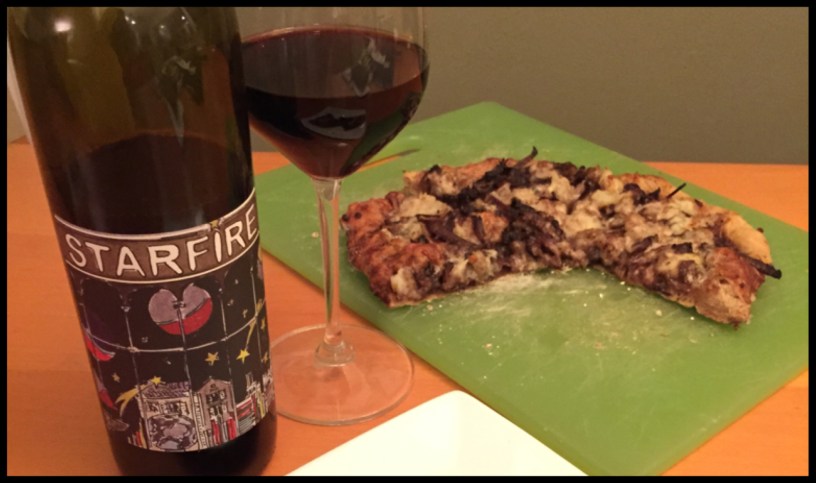
With notes of peppercorn and savory richness, this pizza calls for a bold red with the same kind of instant gratification that comes with comfort food built upon comfort food. Starfire (Columbia Valley, Washington 2006) is a fleshy, indulgent Bordeaux blend with a moderate range of more exotic aromas such as black licorice, fresh mushrooms and wet forest leaves. The splotches of blue cheese can be pushy and challenging, but the wine overcomes with creamy waves of plush dark fruit. The red wine reduction mirrors the inherent sweetness of the fruit while occasional bursts of peppercorn on the pizza enhance the earthy aromatics.
If I could change anything about this pie, I’d switch out the whole wheat flour for bread flour to gain a smoother texture, distracting less from the winning topping here, the mashed potatoes. That and I would have remembered the damn parchment paper.

favorites of lately: San Francisco

20th century cafe5. 20th century cafe: a personality-driven cafe with the kind of old-timey pizzazz that effortlessly brightens the day. worth the trip, if only for coffee.

burma superstar4. burmese food (specifically Burma Superstar): how to have asian food while eating it too. nom nom nom nom nom nom nom nom.

bar concepts3. incredibly devout bar concepts: Smuggler’s Cove, Trick Dog, and The Interval are active examples of Bay Area bars with extraordinary talent to back serious passion. each is driven towards a honed vision, be that tiki or a 10,000 year Texan clock, and furiously toils to provide a premium product for mostly oblivious guests. perhaps this is the utopian dream all san diego bartenders unite in sharing. dare to dream, SD. there are many hurdles ahead.

zuni cafe chicken2. Zuni‘s chicken: standard chicken dishes are usually on menu to satisfy an expected protein requirement, often subjected to a more humdrum treatment in order to meet the lowest common denominator’s interpretation of edible cuisine. thus, when the staff recommends chicken, it’s worth mindful consideration. if the chicken dish is renowned city-wide, despite the noted hour of preparation required, there should be zero hesitation. may as well order two, lest you bathe in regret as we did when the first bout of delicious chicken was inhaled without another set to follow. these are the great risks we take as modern eaters in foreign lands.

state bird provisions1. state bird provisions: contemporary american dinnertime dim-sum. the only michelin-starred restaurant that’s expeditious and filling while also self-tailored and extremely fun. i would never hesitate to go again. please, invite me. i promise to keep the conversation brief but buoyant. PLEASE.

BONUS:

delfina pizza
pizza: delfina. showed up mid-day, post-lunch, unenthused and ready to abandon ship but left giddy and delightfully overstuffed. the pizza is straightforward and delicious, just as pizza should be.

wine: half glasses at state bird (not pictured). as the food parade marched forward, all manner of extravagance was met with half-glass pours of whatever my whimsy saw fitting. extreme indulgence is especially exciting when the final tally doesn’t shock the wallet. experiences like these make me hungry for more. let’s go now. like now. guys, i mean now.

Blind Lady Ale House & Aglianico

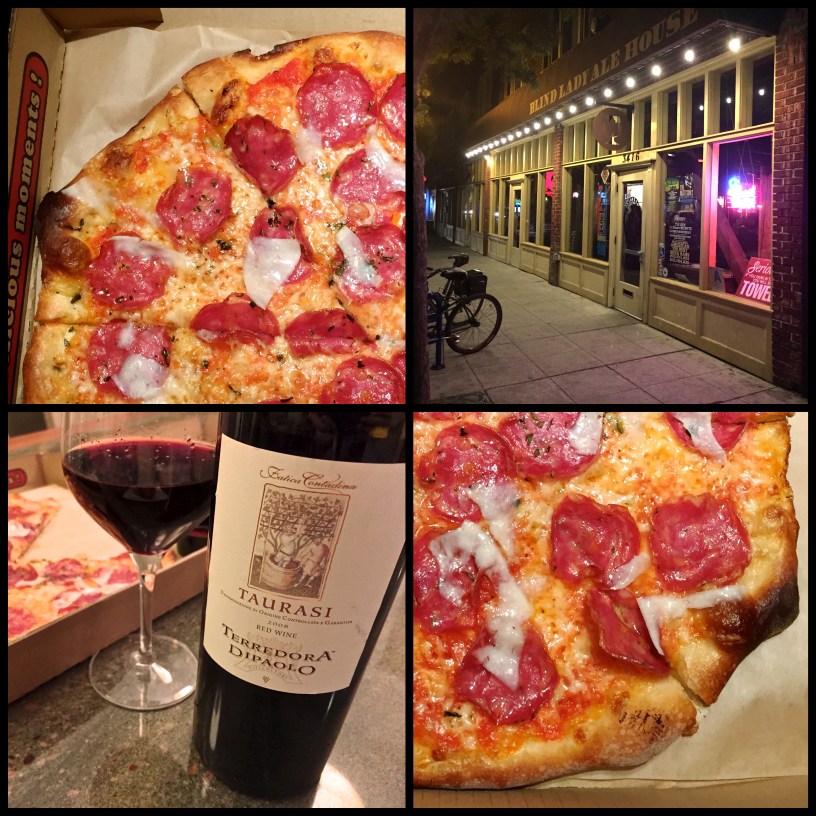
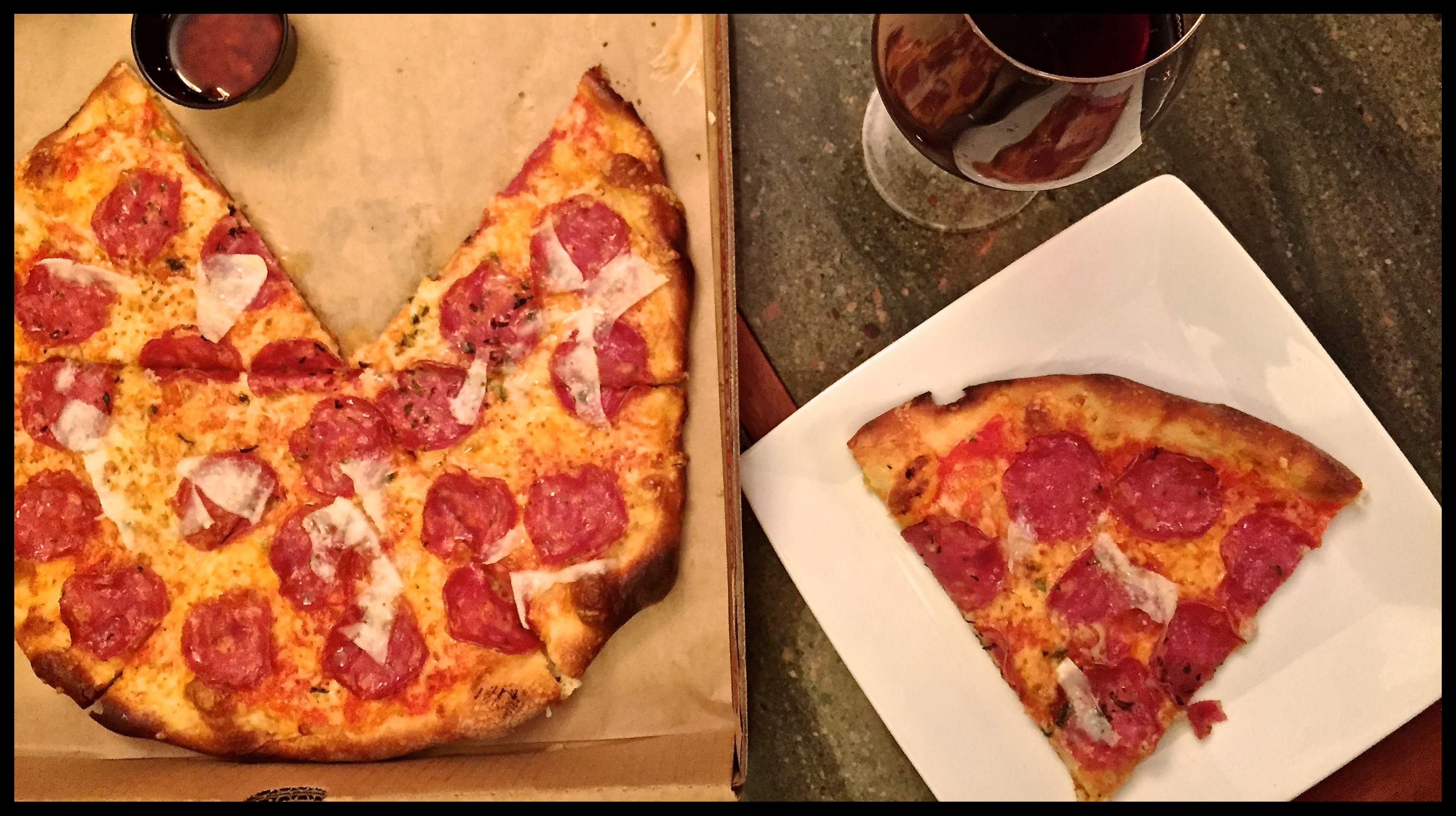
On the northern end of the 30th Street beer crawl lineup sits Blind Lady Ale House where pizza and brews are served in an indoor beer garden fashion with small jovial crowds lining long tables. Beer is the ultimate fail-safe pizza pairing, making this environment perfect for fostering a pizza eating culture. With Kimmy Schmidt waiting to entertain my pizza-eating face, I opt out of beer and slink back to my Netflix cave, a Spicy Salami pie in hand, to find a wine to pair.

kimmy schmidt

The pizza is a simple but aromatic wonderland topped with Balistreri salami, fontina and pecorino romano cheeses, and a light tomato sauce. Leading the topping parade, the salami is crafted by San Diego native Pete Balistreri, a Sicilian-American quick to gain a following for his recent venture in artisanal charcuterie. Dense with savory elements, the salami contributes the bulk of the seasoning with classic flavors of chili flakes and fennel.

blind lady from above

The main source of spice comes from the side of calabrese chili oil, which allows for adjustment according to personal preference. The chili oil offers mild peppery heat and a satisfyingly slick texture, finding a comfortable home amongst the salty toppings and juicy tomato sauce. If hotter, the spice would threaten to zap a wine’s more delicate fruit aromas, making a sweeter or less alcoholic pairing more appropriate. Bold, inky and certainly no pushover, wine made from the thick-skinned Aglianico are weighty and capable handling a livelier set of flavors. The red Italian varietal makes the whole of this pizza’s pairing, 2008 Terredora di Paolo, Taurasi DOCG, Fatica Contadina.

blind lady tryptich

Smooth, finely-grained tannins enrich the wine’s already full body, allowing the wine to match each bite in personality and gumption. The moderately high acidity keeps the oil and cheese from overpowering the palate while aromas of blackberry, plum skin, fresh leather and tar provide a layer of contrasting flavors and complexity. Overshadowed by more northern Italian players of Nebbiolo and Sangiovese, southern Italy’s Aglianico remains under-appreciated despite its ability to thrive in warmer climates while maintaining a robust yet balanced wine. It is a feisty selection to keep around home, well-suited to pair with rich Italian dishes and hilarious Tina Fey productions.

references:

Guild of Sommeliers Compendium

Daring Pairings by Evan Goldstein